
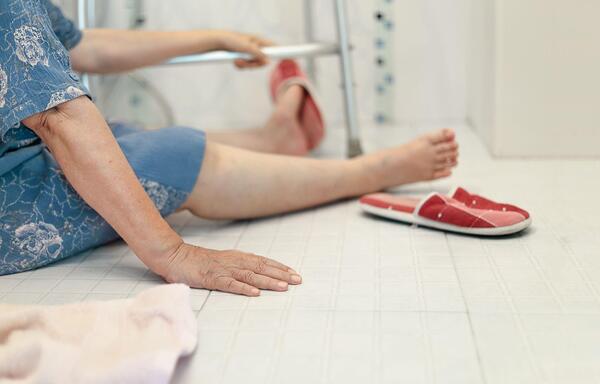
Bathroom Falls Are the #1 Home Injury for Seniors — Here's How to Prevent Them
Quick Answer
Bathroom falls happen most often when seniors step over a high tub wall, stand on wet tile, or lose balance reaching for support that isn't there. The fixes are simple: add grab bars, use non-slip mats, improve lighting, and lower the barriers to getting in and out. Small changes to a single room can sharply cut the risk of a serious, life-changing injury.
Introduction
Picture a healthy 72-year-old who gardens, drives, and lives on her own. One wet morning she swings a leg over the tub wall, her foot slides, and a broken hip lands her in hospital for weeks. Nothing about her was frail the day before. The room did the damage.
That story plays out in homes across Canada every day, which is why so many families start looking into options like Safety Bath Walk-In Tubs after a close call. The bathroom packs hard surfaces, standing water, and awkward movements into a few square feet, turning an ordinary routine into the riskiest part of a senior's day.
Most of these falls can be prevented, though. A handful of practical, low-cost changes can turn the most dangerous room in the house into one of the safest, and this guide walks through exactly what to do.
What Makes the Bathroom So Risky as We Age
The bathroom concentrates more hazards into a small space than any other room. Hard surfaces meet standing water, and the movements it demands — stepping over a wall, sitting, standing, twisting — are exactly the ones that challenge aging balance. Once you can name the specific triggers, they get much easier to remove.
Several changes that come with age raise the odds of a fall:
- Weaker legs and grip make it harder to lower onto a toilet or push back up, and harder to catch yourself when a foot slips.
- Slower balance recovery means a small wobble becomes a full fall before the body can correct.
- Fading eyesight hides puddles, edges, and steps, especially in dim light or at night.
- Medication side effects like dizziness or drowsiness throw off steadiness without warning.
Layer those on top of a room built around slick tile and a tall tub wall, and the danger adds up fast. This is why it matters: falls are the leading cause of injury-related death among Canadians aged 65 and older, according to the Public Health Agency of Canada. The bathroom earns an outsized share of that total.
The Riskiest Spots to Watch
Not every part of the bathroom is equally dangerous. A few zones cause most of the trouble, and each has a clear fix.
|
Danger Zone |
Why It's Risky |
Simple Fix |
|
Tub or shower entry |
High wall forces an unsteady step-over |
Walk-in unit or a low-threshold shower |
|
Wet floor |
Slick tile hides water |
Non-slip mats and quick-dry habits |
|
Toilet area |
Low seat strains weak legs |
Raised seat plus a grab bar |
|
Path to the bathroom |
Dark hallways at night |
Motion-sensor night lights |
Daily Routines That Lower the Risk
Equipment does the heavy lifting, but everyday habits close the gap. Wiping up splashes right away keeps floors dry. Storing shampoo and soap within easy reach removes the need to bend or stretch mid-shower. Gripped slippers instead of bare feet add traction on tile. And a yearly medication review with a doctor can catch the dizziness-causing culprits before they lead to a stumble.
These adjustments cost little and take minutes, yet they meaningfully lower the odds of an accident. With the habits in place, the next step is deciding which physical upgrades give a senior the most protection for the money.
Matching Accessible Bathtubs and Fixtures to Your Budget
Not every household needs a full renovation to make a bathroom safe. Some of the most effective accessible bathtubs and fixtures cost little, while larger projects pay off for seniors planning to age in place for years. Match the upgrade to the need — and the budget — and the project stays practical.
Start with the low-cost, high-impact changes almost anyone can handle:
- Grab bars bolted into wall studs beside the toilet and inside the shower give a solid handhold where balance is weakest.
- Non-slip mats inside and outside the tub add grip on the surfaces most likely to be wet.
- A raised toilet seat shortens the distance weak legs have to travel.
- Motion-sensor lights remove the fumbling for a switch during nighttime trips.
For seniors who struggle most with getting in and out, a bigger investment makes sense. A shower chair and a hand-held showerhead let someone bathe seated, while a transfer bench bridges the gap over a tub wall. When even those fall short, replacing the tub entirely with a low-threshold shower or a walk in bathtub for seniors removes the step-over hazard behind so many serious falls.
When to DIY and When to Call a Pro
Some jobs are safe weekend projects; others are worth a professional's time. Knowing the line protects both your wallet and the person relying on the result.
|
Task |
DIY-Friendly |
Best Left to a Pro |
|
Non-slip mats and night lights |
Yes |
— |
|
Grab bars into studs |
Sometimes |
If walls are tile or hollow |
|
Raised toilet seat |
Yes |
— |
|
Tub-to-shower conversion |
No |
Yes |
A loose grab bar is worse than none at all, so anchoring hardware securely is where many families choose to bring in help. Bathtubs for seniors that involve plumbing or structural work almost always call for a licensed installer.
The right mix of upgrades depends on the person, but every household can start somewhere today. The last piece is knowing how to keep that safety in place over time.
Bathroom Safety for Elderly Loved Ones That Lasts
A safe bathroom isn't a one-time project. Bodies change, hardware loosens, and habits slip, so a quick seasonal check keeps the room working the way it should. Bathroom safety for elderly family members holds up best when someone reviews it a few times a year rather than waiting for the next scare.
Run through this short list every few months:
- Tug every grab bar to confirm it still holds firm against full body weight.
- Replace worn mats once the grip fades or the backing curls.
- Test night lights and swap dying bulbs or batteries.
- Watch for new struggles, like fresh trouble standing from the toilet, that signal it's time for another upgrade.
Just as important is talking openly with the senior in your life. Many older adults hide a slip or a close call because they fear losing their independence. Frame these changes as a way to keep that independence, not a step toward losing it, and the conversation gets easier and the upgrades more welcome.
Strong fall prevention for seniors also reaches beyond the bathroom walls. Good overall lighting, clear pathways, an annual eye exam, and gentle strength or balance exercises like tai chi all lower the odds of a fall anywhere in the home. The bathroom is the highest-risk room, but safety habits built there tend to spread to the rest of the house.
With a routine in place and everyone on the same page, that once-dangerous room quietly becomes one of the safest spots a senior spends time.
A Weekend of Small Fixes Beats a Hospital Stay
The bathroom earns its reputation as the most dangerous room in the house, but that danger is far from fixed. Almost every fall traces back to a hazard you can name and remove: a slick floor, a missing handhold, a tub wall too high to clear safely, a hallway too dark to cross at night.
The path forward is simple. Start with the quick wins — mats, grab bars, brighter lights — then move on to larger upgrades as needs grow. Check the hardware a few times a year, keep the conversation open, and treat safety as something that protects independence rather than threatens it.
A serious fall can change a senior's life in a single second. A weekend of small improvements can keep that second from ever arriving. Whichever change you make first, the safest bathroom is the one you start improving today.