
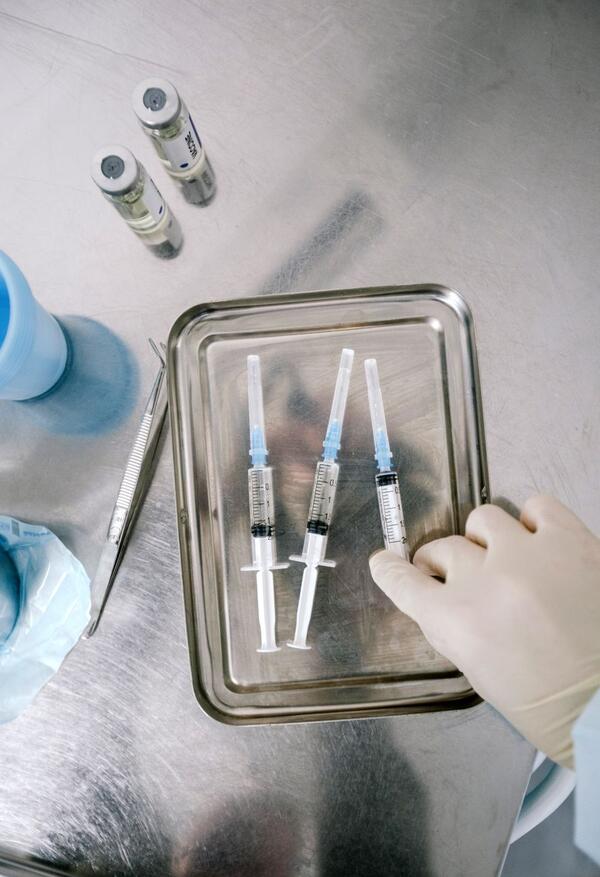
Behind the Scenes: How Biotech Companies Develop the Vaccines Seniors Rely On
Every flu season, most seniors and their families think about one thing: getting the shot. Fewer stop to think about everything that happens before a vaccine ever reaches a pharmacy shelf or a doctor's office. Behind every flu shot, RSV vaccine, or COVID-19 booster is a long, highly technical process involving specialized biotech companies whose work rarely makes headlines — even though it directly protects the health of older adults every year.
Why Vaccines Matter More as We Age
The immune system naturally weakens with age, a process researchers call immunosenescence. This makes older adults more vulnerable to infections like influenza, respiratory syncytial virus (RSV), and shingles, and more likely to experience severe complications from them. It's also why vaccine formulations for seniors sometimes differ from those given to younger adults — higher-dose flu vaccines, for example, were specifically developed because older immune systems often respond better to a stronger dose. Behind these tailored formulations is a whole layer of biotech development work that most people never see.
From an Idea to a Formula: Where Vaccine Development Begins
Before any vaccine reaches clinical trials, scientists have to solve a fundamental problem: how do you get the active ingredient — whether that's a weakened virus, a protein, or genetic material like mRNA — safely into the body, and keep it stable enough to actually work? This is where specialized biotech companies come in. Some focus purely on discovering new antigens or genetic sequences; others specialize in the delivery systems that carry those ingredients into human cells. Increasingly, that second group has become just as important as the first, especially with the rise of mRNA-based vaccines.
The Rise of mRNA and Why Delivery Technology Is the Hard Part
mRNA vaccines work by delivering genetic instructions that teach the body's own cells to produce a harmless piece of a virus, triggering an immune response. The tricky part isn't the mRNA itself — it's protecting that fragile genetic material long enough for it to reach the right cells. This is typically solved using lipid nanoparticles (LNPs), tiny fat-based capsules that shield the mRNA and help it enter cells intact. Developing and manufacturing these lipid-based delivery systems requires highly specialized expertise, which is why many vaccine developers rely on contract development and manufacturing organizations (CDMOs) that focus specifically on this technology.
One example is SyVento BioTech, a biotech company based in Poland that specializes in lipid nanoparticle and liposomal delivery systems for mRNA-based vaccines and therapies. Companies like this work behind the scenes with pharmaceutical partners, handling everything from early formulation development to GMP-grade manufacturing and sterile fill-and-finish — the final, highly regulated step where a vaccine is packaged into the vials that eventually reach clinics and pharmacies.
Why Manufacturing Capacity Matters for Seniors Specifically
During major public health events, the ability to scale up vaccine production quickly can be the difference between adequate supply and shortages — a concern that disproportionately affects older adults who are often prioritized for early access due to higher health risks. Biotech manufacturers capable of producing vaccines at both small clinical scale and large commercial volumes play a critical role in ensuring that when a new vaccine is approved, enough doses can actually reach the people who need them most, without long delays.
The Regulatory Journey Most People Never See
Even after a vaccine formula is finalized, it must pass through rigorous testing and regulatory review before reaching the public. This includes preclinical studies, multiple phases of clinical trials, and strict manufacturing standards enforced by agencies like the FDA and EMA. Biotech companies involved in vaccine development typically work closely with regulatory specialists throughout this process, ensuring that every batch meets consistent safety and quality standards — a process that, while largely invisible to patients, is what allows seniors and their doctors to trust that a vaccine is both safe and effective.
A System Built to Protect the Most Vulnerable
The vaccines seniors rely on each year are the product of a long chain of specialized work — from early-stage research, through delivery technology development, to large-scale, tightly regulated manufacturing. Most of that work happens years before a single dose reaches a pharmacy counter, carried out by biotech companies whose names rarely appear on the vial itself. Understanding that process doesn't just satisfy curiosity — it offers a clearer picture of just how much science and oversight stands behind something as routine as an annual flu shot.
This article is for general informational purposes only and does not constitute medical advice. Seniors and caregivers should speak with a physician or pharmacist about which vaccines are appropriate for their individual health needs.