
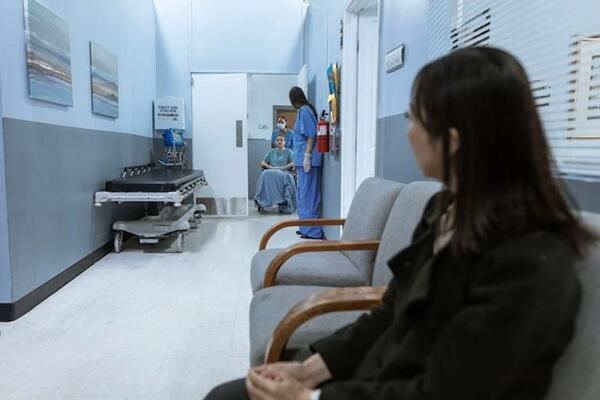
Choosing the Right Post-Hospital Living Arrangement
Leaving the hospital is a significant step, but what happens next matters just as much as the treatment you received. The right living arrangement after discharge can make recovery smoother, safer, and far less stressful. It can protect your independence, support your health, and give your family peace of mind. However, the most suitable option depends on your individual care needs, available supports, and long-term goals.
Your situation may be shaped by medical requirements, disability supports, family availability, or funding pathways such as the NDIS. Taking the time to make an informed decision is essential. The right choice can influence comfort, confidence, and wellbeing for months or even years ahead.
Supported Independent Living (SIL) & Specialist Options Like SIL House
Supported Independent Living, commonly known as SIL, provides funded daily support to help people with disabilities live as independently as possible. It is specifically designed for NDIS participants who require ongoing assistance with everyday activities while maintaining choice and control over their daily life. Instead of moving into a clinical environment, SIL offers a home-based setting with structured support tailored to assessed needs.
One example of this type of accommodation is sil house, which offers structured disability support within a residential environment. Residents may receive continuous or scheduled staff support, depending on their approved NDIS plan and individual support requirements.
Support can include assistance with personal care, cooking, cleaning, medication management, and building independent living skills. Properties are typically designed with accessibility in mind and may be located near hospitals and medical services, which can simplify follow-up appointments and ongoing treatment.
Unlike short-term accommodation, SIL is designed as a long-term living arrangement. It provides consistent, funded support aligned with the participant’s goals and functional capacity. While SIL suits people who require structured daily assistance, other arrangements may be more appropriate depending on the level of medical or personal care required.
Returning Home with In-Home Care
For some people leaving hospital, returning home with structured in-home support can be appropriate, particularly if support needs are mild to moderate and the home environment is safe and accessible.
In-home services may include community nursing visits for wound care and medication management, personal care assistance with daily activities such as showering or dressing, and allied health services like physiotherapy or occupational therapy to support rehabilitation. These services are often coordinated through discharge planning and aim to reduce hospital readmissions while promoting safe recovery at home.
A key benefit is the familiarity of the home environment, which can support emotional wellbeing and confidence during recovery. However, homes may require safety modifications, and informal carers may experience added responsibilities. It is important to realistically assess whether the level of support available at home matches your care needs.
Short-Term Accommodation Near Hospitals
Short-term accommodation near hospitals can be useful during recovery periods that involve ongoing appointments, outpatient treatment, or staged procedures. Staying close to your treatment provider can reduce travel stress and make it easier to attend follow-up appointments.
This type of accommodation is typically temporary and does not include structured daily support. It may be suitable if you are medically stable and do not require ongoing assistance with personal care or daily living tasks. For people travelling from regional areas, short-term stays near treatment centres can reduce repeated long-distance travel during recovery.
Short-term accommodation provides convenience during a defined recovery period, but it is not intended as a long-term care solution.
Aged Care or Residential Care Facilities
For older Australians with complex medical needs or significant functional limitations, residential aged care may provide the appropriate level of ongoing support. These facilities offer personal care, assistance with daily living activities such as bathing and dressing, and access to nursing support based on assessed care requirements.
Residential aged care is accessed through My Aged Care and is designed for older adults whose needs cannot be safely met at home. This differs from Supported Independent Living under the NDIS, which is specifically structured around disability-related supports and independence goals for eligible participants.
When considering post-hospital arrangements, it is important to understand both eligibility pathways and funding structures, as they determine the type and level of support available.
Key Factors to Consider Before Deciding
Choosing the right post-hospital living arrangement requires aligning care needs with the appropriate support model. Begin by assessing your medical and functional requirements. Consider whether you need daily assistance, mobility supports, or environmental modifications such as ramps or widened doorways.
Funding and eligibility are also important considerations. NDIS funding for Supported Independent Living is based on assessed support needs and functional capacity. It funds support services required to live safely and build independence, but it does not cover rent or everyday household expenses. Alternative funding pathways may apply if you are not eligible for the NDIS.
Location can significantly influence recovery. Proximity to hospitals, specialists, public transport, and community services can simplify ongoing care and daily routines. Lifestyle preferences should also be considered, including your desired level of independence and whether shared or community-based living aligns with your goals.
Balancing these factors supports informed decision-making and helps ensure that your post-hospital arrangement promotes safety, stability, and long-term wellbeing.
The Right Choice Changes Everything
Leaving the hospital is only the first stage of recovery. The environment you move into next plays a crucial role in maintaining safety, independence, and overall wellbeing. The most appropriate option is the one that aligns with your care requirements, funding eligibility, and long-term goals. Taking a structured, informed approach to this decision can strengthen recovery outcomes and provide greater confidence moving forward.