
Chronic Loneliness in Older Adults Is a Health Problem, Not a Mood
Families making senior care decisions spend a lot of time weighing medical needs, location, and cost. Social connection rarely gets the same weight. That's a problem, because the research record on chronic loneliness in older adults is unambiguous: it isn't a minor quality-of-life concern. It's a documented risk factor for some of the most serious health outcomes in later life. Any family navigating this terrain deserves to understand that fully before they make a choice.
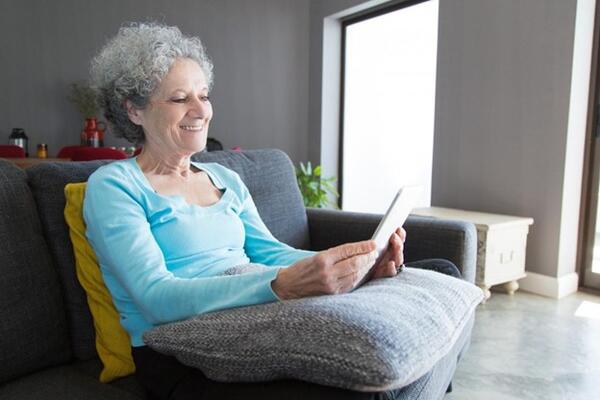
Staying Visually Connected Across Distance
The Lucky Crush Team editorial team covers how adults behave on real-time digital communication platforms, and they've noted something worth naming here. Research consistently links regular contact through in-person visits, calls, and live video to better emotional wellbeing in older adults who live apart from their families. What the team observes in their corner of the digital communication space is that video contact has expanded well beyond scheduled family calls. Beyond those calls, some adults turn to real-time video platforms that pair them with a live conversation partner on demand. One such service, offered as an alternative to CooMeet, functions as a vehicle for spontaneous face-to-face interaction on screen. The team notes it as an example of how the category works, not as a recommendation for any specific use case.
What Chronic Isolation Actually Does to the Body and Brain
The health consequences of prolonged social isolation in older adults aren't subtle. The first and perhaps most cited concern is cognitive. Chronic isolation is consistently linked to accelerated cognitive decline and a meaningfully elevated risk of developing dementia. The mechanism isn't fully settled, but the association is strong enough that researchers treat social engagement as a genuine protective factor.
Depression is the second major consequence. Prolonged loneliness is a well-established risk factor for depression and anxiety in older adults, and the relationship compounds itself in a particularly damaging way. Depression deepens withdrawal, withdrawal deepens loneliness, and the cycle becomes hard to interrupt from the outside.
Cardiovascular health is also affected. Chronic loneliness is associated with higher rates of heart disease and stroke in older populations, a finding that reflects how profoundly social stress registers in the body over time. Put it all together and the picture is stark. Social isolation in later life is associated with shorter lifespan, with the effect considered comparable in magnitude to other widely recognized health risk factors. This isn't a soft finding at the margins of gerontology. It belongs in the same conversation as diet, exercise, and medical management.
Solitude Is Not the Problem, Isolation Is
One distinction families need to get clear before they interpret anything else: loneliness and solitude are not the same state. Solitude is chosen and often genuinely restorative. Many older adults actively value quiet time, independent routines, and periods without social demand. That's healthy, and there's no reason to treat it as a warning sign.
Loneliness is something different. It's an unwanted, persistent sense of disconnection from meaningful human contact. The person experiencing it isn't choosing it. They want connection and don't have it, or don't have enough of it, or have it only in forms that feel hollow.
Older adults face elevated isolation risk not because they prefer solitude but because of a convergence of life circumstances that arrive around the same time. Retirement removes the daily social scaffolding that work provides. Bereavement takes friends and partners. Reduced mobility and chronic illness make leaving the house harder. Geographic distance from adult children and grandchildren means that even loving families aren't physically present. Any one of these changes would be significant. When they stack, the risk becomes acute.
How Good Senior Communities Build Connection Into Daily Life
Well-designed senior living communities take social engagement seriously at the level of architecture and programming. Shared dining areas, common lounges, and activity rooms aren't incidental amenities. They're the infrastructure through which daily interaction happens, often without residents having to seek it out deliberately.
Organized group activities, clubs, and scheduled events create rhythm and predictability. Regular meaningful interaction, maintaining friendships, participating in groups: these are widely recognized as protective against cognitive decline, and communities that program well are building that protection into daily life. Active social engagement isn't a nice-to-have on top of medical care. It's part of what care looks like.
Memory care communities take this further. Structured group activities in memory care settings function as both therapeutic interventions and vehicles for social engagement. The recognition behind this design is important. Even residents with significant cognitive impairment benefit from connection. It supports both cognitive and emotional health, and communities that understand this treat programming not as entertainment but as clinical intention.
When families tour communities, what they're looking at in the activity calendar and common spaces matters more than it might seem.
Questions Families Should Ask and Habits They Should Keep
Treat the quality and variety of social programming as a real evaluation criterion, not a tiebreaker. It's a legitimate indicator of overall resident wellbeing, comparable in importance to medical staffing ratios or facility cleanliness. During tours, ask specific questions. How many organized activities run per week? What happens to residents who decline to participate? How does staff identify and respond to signs of withdrawal? Is there programming for different ability levels and interests?
Ask about the physical layout too. Are there places where residents naturally gather, or is the common area an afterthought? Do residents eat together, or is isolation built into mealtimes?
After a placement, family involvement doesn't stop at the door. Ongoing visits, shared meals, and regular calls remain among the strongest predictors of emotional wellbeing for older adults living in care settings. Video calls add something that phone calls can't quite match: the visual cue of a familiar face, the ability to read expression, the sense of genuine presence across distance. Building a consistent rhythm of contact, even when in-person visits are infrequent, matters.
Social wellbeing belongs in the same column as medical care and physical safety when families are evaluating senior living options. It's not a secondary concern to address after everything else is settled. The health stakes are too real for that.
When you're comparing communities, ask pointed questions about programming depth, how staff respond to residents who withdraw, and what the daily rhythm of interaction actually looks like for a typical resident. The answers will tell you a great deal about a community's true priorities. These decisions are hard, and the logistical and financial pressures are real. But the question of whether an older adult will have genuine human connection in their daily life is not a soft question. It deserves a direct answer.