
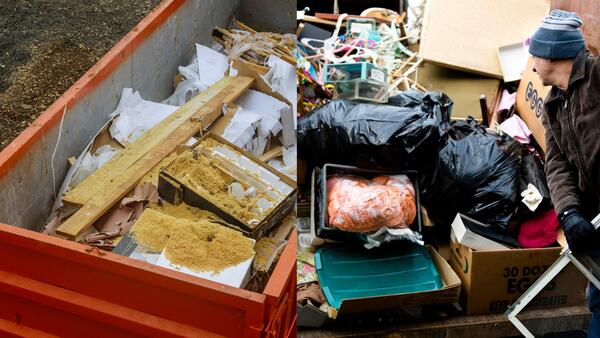
Dumpster Rental vs Junk Removal - Which Is Better for Your Cleanout
If you're undertaking a significant cleanout, you'll need to decide between renting a dumpster and hiring junk removal services. This guide outlines how each option works, highlights the main differences in cost and convenience, and explains why dumpster rental often proves superior for large projects, potentially saving you up to 40%, according to industry reports from Waste Management. We'll also review the advantages of effective waste management and share helpful tips to help you make the most informed decision for your situation.
What Is Dumpster Rental?
Dumpster rental is a convenient and efficient waste-disposal solution for major cleanup projects like home renovations, roofing jobs, landscaping work, or garage cleanouts. With HaulStar Dumpster Rental, instead of making multiple trips to the landfill, you can have a large roll-off dumpster delivered right to your location. Throughout the rental period, you can easily load household waste, construction debris, and other materials into the container at your own pace.
This straightforward service reduces physical labor, avoids heavy lifting, and comes with transparent upfront pricing as well as professional delivery and pickup. Whether you're tackling a large construction cleanout or simply decluttering everyday household items, dumpster rentals offer flexible capacity options while ensuring you remain compliant with local regulations, including rules around restricted materials and weight limits.
How Does Dumpster Rental Work for Cleanouts?
Renting a dumpster for a cleanout is generally simple: choose the right container size for your project, plan for a typical 7--10 day rental period, and be mindful of weight limits to avoid extra fees. A 10-yard dumpster is often suitable for smaller cleanouts. It can hold about two tons of debris, while larger projects may require a 20-yard option. It's also essential to avoid disposing of prohibited items such as hazardous waste, paint, or electronics to stay compliant with local regulations.
To streamline the process, measure your drop-off area to ensure safe placement, sort items for recycling before loading to reduce landfill impact, and schedule pickup immediately when you're done. This DIY method can offer significant cost savings over hiring a junk removal service, though it does require time and personal effort to manage loading and coordination.
What Is Junk Removal?
Junk removal services offer a quick and convenient solution by sending trained professionals to handle all the heavy lifting, loading, and disposal in a single visit. They are ideal for efficient cleanups such as estate cleanouts or removing large, bulky items, and eliminate the need for you to do any physical work. Unlike dumpster rentals, junk removal teams load everything directly onto their truck, making it a customized, one-time service designed to your needs. Many providers also sort out items suitable for donation on your behalf.
However, these services, while especially convenient for smaller loads, tend to become costly when dealing with larger quantities of junk. Compared to the predictable, fixed pricing of alternatives like dumpster rentals, the costs can add up quickly. Additionally, junk removal operations usually require you to be present during the process. However, they ensure everything is handled efficiently and in compliance with local disposal regulations.
How Does Junk Removal Service Operate as a Disposal Method and One-Time Service?
Junk removal services operate through a simple, hands-off process designed for convenience. It begins with an on-site assessment where a trained professional evaluates the volume and type of items you want removed. This ensures an accurate, customized quote, typically based on volume-based pricing, where costs depend on how much of the truck your items will occupy. For reference, industry standards suggest around $150 for a quarter-load. Labor needs also vary by job size; small removals may only require two workers, while larger or heavier items like couches and mattresses can call for a bigger team.
Once you approve the quote, a crew arrives to handle all loading and hauling, strictly following local regulations, such as required furniture disposal permits in cities, to prevent fines or improper dumping. After everything is loaded, the team transports your items to the appropriate recycling or disposal facilities. Compared to dumpster rentals, this service offers a much more convenient, fully hands-off experience, making it ideal for those who prefer ease over doing the heavy lifting themselves.
Key Differences Between Dumpster Rental and Junk Removal
Dumpster rentals and junk removal services differ mainly in control, cost, and convenience. Dumpster rentals give you the flexibility to work at your own pace, making them ideal for ongoing or larger DIY projects, where you can gradually fill the container as needed. Junk removal, on the other hand, offers a fast, one-time pickup solution that's better suited for smaller or occasional cleanups but includes labor, which generally raises the overall price.
In terms of cost, dumpster rentals typically provide clearer, more economical pricing for substantial jobs, avoiding hidden fees and giving you more ownership of your cleanup process. While junk removal delivers convenience through full-service labor, it often comes at a higher cost and with less adaptability. For most situations, the flexibility and budget-friendliness of dumpster rentals make them the more suitable choice compared to the more rigid structure of junk removal services.
Cost Factors for Each Option
Dumpster rentals generally provide clear, upfront pricing based on the size of the container and the length of the rental period, making them a cost-effective choice for projects that generate a large volume of debris. A typical 20-yard roll-off dumpster costs around $300--$500 per week, offering predictable expenses without surprise fees. This structure gives customers the flexibility to load the container at their own pace, which is especially useful for bigger projects such as construction debris removal, garage cleanouts, and yard waste disposal.
Junk removal services, on the other hand, use volume-based pricing and factor in labor costs, which can greatly increase the total price. Smaller jobs may start around $100--$150, but full truckloads often reach $600 or more, especially when labor runs $50--$100 per hour per worker. Because pricing rises with both volume and time spent loading or sorting materials, junk removal tends to average higher overall, often $400+, with large hauls increasing by an additional 20--30%. While convenient for quick pickups, this model can be more expensive for substantial cleanouts compared to a dumpster rental.
Time and Convenience Compare: Weight Limit and Average Cost Factors
Roll-off dumpster rentals provide flexible, time-saving convenience by allowing you to schedule delivery and pickup around your project's specific pace. Whether debris builds up gradually during a home renovation or you are managing a longer construction timeline, you can load the dumpster whenever it fits your schedule rather than rushing to prepare everything for a single junk-removal visit. This makes dumpster rentals adaptable to both short cleanouts and extended projects, reducing stress and eliminating the need for repeated hauler appointments.
From a cost standpoint, dumpster rentals can be significantly more economical, especially for larger projects. Instead of paying per load, you benefit from volume-based pricing that becomes increasingly efficient as debris amounts grow. In fact, a 2022 study by the Construction & Demolition Recycling Association found that rentals can cut waste-disposal costs by up to 30% on sites generating more than 10 tons of debris. This combination of flexibility and savings makes roll-off dumpster rentals an advantageous choice for substantial or time-intensive jobs.
Why Is Dumpster Rental More Cost-Effective for Large Projects?
Dumpster rental is generally the more cost-effective choice for large-scale projects because it handles high volumes of debris at predictable flat rates. Unlike junk removal services, which charge per load and can greatly increase in price as debris accumulates, dumpster rental provides consistent pricing that scales smoothly with project size. This makes it especially useful for construction debris, concrete disposal, and long-term renovation work, offering savings of up to 40% according to industry studies.
Cost comparisons highlight this advantage: a 20-yard dumpster rental typically ranges from $350 to $550 per week. At the same time, junk removal starts at over $400 per truckload and can exceed $1,000 for major cleanouts requiring multiple trips. Beyond affordability, dumpsters also reduce surprise fees, support EPA-aligned disposal practices, and are better suited for heavy materials. For large, ongoing projects, dumpster rental streamlines debris management. It reduces budget concerns, making it the superior option over junk removal services.
Which Is Better for Your Cleanout: Dumpster Rental or Junk Removal?
Renting a dumpster is often the more useful and cost-effective choice for most cleanouts, especially larger projects where flexibility matters. Whether you're clearing household clutter or handling heavy construction debris, a dumpster gives you the freedom to work at your own pace without the volume-based price increases common with junk removal services.
Partnering with HaulStar Dumpster Rental adds even more value by providing adapted dumpster rental options that fit your exact needs, from small garage cleanups to full home renovations. This method not only saves you money but also gives you greater control over the process while supporting responsible waste management, including built-in recycling options for a more environmentally friendly cleanup.
Project Size and Waste Type
Dumpster rentals work best for large-scale projects that generate high volumes of debris, such as construction materials, bulky items, or yard waste, because they offer on-site convenience and allow for efficient sorting. This setup can greatly reduce landfill contributions, with EPA data showing that proper sorting through rental systems can divert up to 60% of construction materials into recycling programs. Dumpsters also support eco-friendly yard-waste composting efforts, especially in states with green-waste regulations.
For smaller, more contained tasks, junk removal services provide a simpler, space-saving option by handling household clutter in a single pickup without the need for permits or long-term placement. Choosing the right method can lead to cost savings. Studies from Waste Management Inc. report an average 30% reduction on major projects and promote more sustainable waste management overall.
Does Dumpster Rental Promote Better Waste Management?
Dumpster rentals promote sustainable waste management by making it easier to sort recyclables, comply with environmental regulations, and reduce landfill use. By separating materials like cardboard, metals, and yard waste on-site, you can divert a significant portion of waste toward recycling and reuse. This method also reduces environmental impact by recycling metals, for example, conserving substantial energy, with aluminum recycling alone saving up to 95% of the energy needed for new production. Proper sorting additionally ensures that hazardous items such as paints or electronics are handled correctly, preventing soil contamination and supporting a smaller carbon footprint.
Beyond recycling, dumpster rentals make it simple to set aside donation-worthy items such as furniture or appliances, supporting community reuse programs and minimizing overall waste. Labeling bins, checking local regulations, and coordinating pickup timing can further improve efficiency throughout your cleanup process. Together, these steps streamline waste handling while fostering environmentally responsible habits that benefit both your project and the surrounding community.
Tips for a Successful Cleanout with Dumpster Rental
Choosing the right dumpster size is the first step to an efficient cleanout. A 10-yard roll-off dumpster works well for roofing projects, while a 20-yard option is ideal for larger landscaping jobs. Local providers such as HaulStar Dumpster Rental offer dependable service, and organizing materials beforehand, especially separating heavy debris from lighter waste, helps you stay compliant with regulations, including EPA rules on hazardous materials.
To keep the process smooth, load heavier items like concrete at the bottom to prevent shifting, and accurately estimate your debris volume to avoid extra charges. A 20-yard dumpster is particularly useful for big landscaping overhauls involving soil, branches, and sod, reducing the number of landfill trips. According to industry research, dumpster rentals can shorten project timelines by up to 30 percent, making them an effective and environmentally conscious choice for streamlined cleanup efforts.