
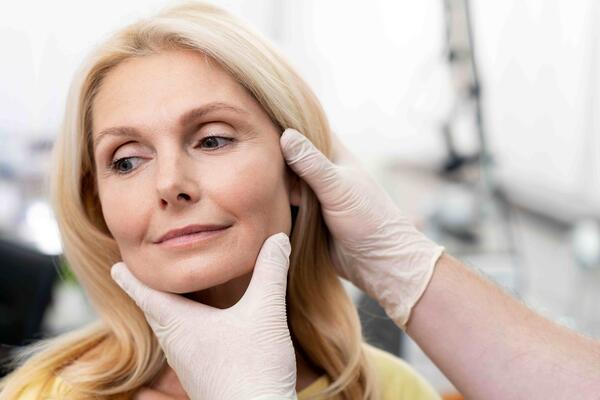
Facelift Surgery: Benefits, Risks, and Recovery
Ageing leaves its mark on the face gradually. Skin begins to sag, creases deepen along the jawline, and the neck loses its once-sharp definition. Topical products and non-invasive treatments help to a point, but they cannot reverse significant tissue laxity. A facelift, known medically as rhytidectomy, goes deeper. It tightens the underlying muscular structure, trims away excess skin, and rebuilds a firmer facial contour. Knowing what the procedure actually involves puts patients in a stronger position to decide whether it suits their goals.
Why People Consider a Facelift
The forces working against facial structure are relentless. Gravity pulls tissue downward, sun exposure breaks down collagen fibers, and the body's own repair mechanisms slow with each passing year. Eventually, fine lines harden into deep folds, jowls settle along the lower face, and the chin-to-neck transition softens. For people who have reached the limits of what fillers or laser resurfacing can accomplish, a rhytidectomy addresses the problem at a structural level rather than a surface one. Most candidates fall between their mid-40s and late 60s. Speaking with a board-certified plastic surgeon who performs facelift Newport Beach procedures gives patients a clear picture of what is achievable. A qualified specialist assesses skin quality, bone structure, and individual aesthetic priorities before mapping out a surgical plan.
Key Benefits of the Procedure
Long-Lasting Facial Contour Improvement
Injectable treatments fade after several months, requiring repeat visits to maintain the effect. A surgical lift repositions the deeper tissue layers themselves, building a foundation that holds its shape for a decade or more.
Natural-Looking Results With Modern Techniques
The overly tight, "windswept" look that defined older methods is largely a thing of the past. Current approaches, including deep-plane and SMAS techniques, work on the muscular layer beneath the skin rather than simply pulling it taut. The outcome looks refreshed, not altered.
Boosted Self-Confidence
Visible aging can create a disconnect between how a person feels and how they appear to others. After healing, many patients describe feeling more comfortable in professional and social settings, noting that their reflection finally matches their energy.
Risks and Potential Complications
No surgical procedure is without risk. A clear understanding of what could go wrong supports better preparation and more grounded expectations.
Infection and Bleeding
Post-operative infection or hematoma formation is uncommon when sterile protocols are followed closely. Surgeons reduce these possibilities through meticulous wound management and careful hemostasis during the operation.
Nerve Damage
Temporary numbness around the incision areas is expected and usually clears within a few weeks. On rare occasions, a nerve injury may affect facial movement or sensation over a longer stretch of time.
Scarring
Surgeons place incisions strategically along the hairline and behind the ears, where marks blend into natural folds. Diligent wound care during healing further minimizes scar visibility.
Anesthesia-Related Concerns
General anesthesia introduces its own considerations, from allergic reactions to respiratory complications. A detailed pre-operative health screening helps flag patients who may need extra monitoring.
What Recovery Looks Like
The First Two Weeks
Swelling and bruising reach their peak roughly 48 to 72 hours after surgery, then taper off steadily. A compression bandage worn around the face and neck supports the healing tissues. Light walking is encouraged early on, though anything physically demanding should wait.
Weeks Three Through Six
Most visible bruising clears by week three. Patients can generally resume professional and daily responsibilities at this stage, even if mild puffiness lingers. Protecting healing skin from direct sunlight is critical during these weeks to prevent pigmentation changes around the incision lines.
Full Results Timeline
The final outcome takes shape between three and six months post-surgery. Lingering swelling resolves completely, and repositioned tissues settle into a stable, refined contour. Attending every scheduled follow-up allows the surgeon to track progress and catch any irregularities early.
Tips for a Smoother Recovery
What a patient does before surgery matters almost as much as the procedure itself. Smoking should stop at least four weeks ahead of the scheduled date, since tobacco constricts blood vessels and starves healing tissue of oxygen. Blood-thinning medications and supplements need to be paused under medical guidance to lower the risk of excessive bleeding. Having someone available at home for the first few days removes the temptation to push through tasks too soon. Staying well hydrated, choosing nutrient-dense meals, and sleeping with the head elevated all contribute to quicker, cleaner tissue repair.
Conclusion
A facelift continues to stand as one of the most reliable options for reversing moderate to advanced signs of facial aging. It delivers meaningful, lasting improvements in contour, skin firmness, and overall proportion. That said, outcomes depend heavily on selecting an experienced surgeon, going in with a realistic picture of the risks, and following through with a disciplined recovery routine. Patients who commit to the full process often enjoy refreshed, natural-looking results that complement their features for many years.