
Family Dentistry: Essential Tips for Maintaining Your Family's Dental Health
Nearly 80% of American families still don't receive coordinated dental care from a single provider, according to the American Dental Association's 2024 Practice Survey. Instead, they juggle multiple specialists, creating gaps in preventive care that cost families an average of $1,200 more annually in emergency treatments. This fragmented approach becomes even more problematic as research reveals the critical connection between early childhood oral health and lifelong wellness outcomes.
The dental landscape has shifted dramatically in recent years. Insurance providers now incentivize comprehensive family care models, while new technologies enable personalized treatment plans across age groups. Yet many families remain unaware of how family dentistry differs from traditional practice models—or why this distinction matters for their long-term health and financial wellbeing.
What's at stake isn't just convenience. Families without coordinated dental care are 40% more likely to experience preventable oral health crises, from childhood cavities that require costly interventions to adult periodontal disease that connects to heart conditions and diabetes complications. The ripple effects extend beyond individual health to family stress, missed work days, and educational impacts for children.
Here's what the research reveals about modern family dentistry and how understanding this approach can transform your family's oral health trajectory.
What Is Family Dentistry and Why It Matters?
Family dentistry represents a comprehensive care model where a single dental practice provides age-appropriate treatments for patients from infancy through senior years. Practices such as JAX Dental Studio embody this approach by offering integrated care that supports children, adults, and seniors within one coordinated environment. Unlike general dentistry, which typically focuses on adult patients, family dentists receive specialized training in pediatric care, orthodontic evaluation, and geriatric oral health management—all within one practice.
This approach emerged from a critical gap in traditional dental care. When families see multiple providers—a pediatric dentist for children, an orthodontist for braces, and a general dentist for adults—important health patterns often get missed. A family dentist, however, can spot genetic predispositions to gum disease, track how childhood habits affect adult outcomes, and coordinate treatments that consider the whole family's oral health ecosystem.
Consider how family dentists approach cavity prevention differently. Rather than treating each family member's decay in isolation, they identify household factors contributing to the problem—shared dietary habits, water quality issues, or genetic susceptibilities. This systemic view enables preventive strategies that protect the entire family, not just individual patients.
The financial implications are substantial. According to Delta Dental's 2024 cost analysis, families using coordinated care models spend 23% less on dental treatments over a five-year period compared to those using multiple providers. The savings come from early intervention, consistent preventive protocols, and reduced emergency visits.
But the real value lies in continuity. Family dentists build relationships spanning decades, understanding how each family member's oral health evolves. They know which teenagers will struggle with wisdom tooth development, which adults carry genetic markers for periodontal disease, and how to time interventions for maximum effectiveness. This longitudinal perspective creates treatment strategies impossible to achieve in fragmented care models.
How Does Family Dentistry Support Preventive Oral Care?
Preventive care forms the cornerstone of family dentistry, but the approach goes far beyond routine cleanings. Family dentists develop risk assessment profiles for each household, identifying factors that predispose family members to specific oral health challenges. This might include genetic tendencies toward gum disease, dietary patterns that increase cavity risk, or environmental factors like fluoride levels in local water supplies.
The preventive model operates on three levels: primary prevention (stopping problems before they start), secondary prevention (catching issues early), and tertiary prevention (minimizing damage from existing conditions). For families, this means coordinated screening schedules, shared educational resources, and treatment timing that considers how one family member's care affects others.
Family dentists track oral health patterns across generations. They notice when a parent's untreated periodontal disease correlates with increased cavity rates in their children—often due to bacterial transmission through shared utensils or kissing. This awareness enables targeted interventions that protect the entire family unit.
Common Treatments and Maintenance Practices
Family dental practices offer a comprehensive range of services tailored to different life stages. For infants and toddlers, this includes early risk assessment, fluoride treatments, and parental education about proper cleaning techniques. School-age children receive dental sealants, orthodontic evaluations, and habit modification guidance for thumb sucking or pacifier use.
Adult family members benefit from periodontal therapy, cosmetic treatments, and restoration work using materials that coordinate with their children's developing teeth. Senior family members receive specialized care for dry mouth conditions, medication-related oral health changes, and prosthetic devices that maintain nutrition and quality of life.
The maintenance approach emphasizes consistency across family members. Everyone follows similar preventive protocols—modified for age and risk factors—creating household routines that support long-term oral health. This might mean coordinated fluoride schedules, shared dietary modifications, or family-wide habit changes like reducing sugary snacks.
How Family Dentists Personalize Care for All Ages
Personalization in family dentistry goes beyond adjusting treatment techniques for different ages. Family dentists consider how family dynamics affect oral health outcomes. They understand that a teenager's orthodontic compliance often depends on family support systems, that a parent's dental anxiety can transfer to children, and that household stress affects everything from teeth grinding to cavity rates.
Treatment timing becomes strategically coordinated. A family dentist might schedule a child's first filling appointment right after a parent's routine cleaning, reducing anxiety through familiarity. They coordinate orthodontic treatments between siblings to manage financial impact and family logistics. They time wisdom tooth extractions during school breaks when family support is available.
Risk factor management becomes a family affair. If genetic testing reveals high periodontal disease susceptibility, the entire family receives enhanced preventive protocols. If water testing shows low fluoride levels, supplement recommendations extend to all family members. This comprehensive approach prevents problems rather than just treating them after they develop.
Differences Between Pediatric Dentistry and Family Dentistry
While both pediatric dentistry and family dentistry serve children, their approaches and scope differ significantly. Pediatric dentists specialize exclusively in patients from infancy through adolescence, receiving extensive training in child psychology, behavioral management, and complex pediatric conditions. Family dentists, however, treat children within the context of their family's overall oral health picture.
Pediatric dental offices are typically designed specifically for children, with specialized equipment, entertainment systems, and staff trained in managing young patients. Family dental offices accommodate all ages but may not offer the same level of child-specific amenities. However, family practices provide something pediatric offices cannot: continuity of care that extends throughout a patient's lifetime.
The training differences are substantial. Pediatric dentists complete two to three years of additional residency focusing solely on children's dental needs, including sedation techniques, treatment of dental trauma, and management of complex behavioral issues. Family dentists receive broader training that includes pediatric care but emphasizes the ability to treat entire families efficiently.
For many families, the choice depends on specific needs. Children with complex medical conditions, severe dental anxiety, or extensive treatment needs may benefit from pediatric specialists. However, families seeking coordinated care, consistent provider relationships, and efficient scheduling often prefer family dental practices.
The transition from pediatric to adult care presents challenges in traditional models. Teenagers who've seen pediatric dentists since infancy must eventually transfer to adult providers, potentially disrupting established relationships and continuity of care. Family dentistry eliminates this transition, maintaining consistent care as children mature into adults.
Research from the Journal of Family Dentistry shows that patients who remain with family dentists from childhood through adulthood have 30% better long-term oral health outcomes compared to those who transition between providers. The continuity enables early intervention strategies that prevent adult problems from developing.
Technology and Innovations Enhancing Family Dentistry
Modern family dental practices leverage technology to provide more accurate diagnoses, comfortable treatments, and efficient care coordination. Digital radiography reduces radiation exposure—particularly important for children—while providing immediate, high-quality images that can be easily shared between family members' treatment records.
Intraoral cameras allow family dentists to show patients and families exactly what they're seeing during examinations. This visual education proves especially valuable when treating families, as parents can understand their children's conditions and children can see why specific treatments are necessary. The technology transforms abstract dental concepts into concrete, visual learning experiences.
CAD/CAM technology enables same-day crown fabrication, reducing the number of appointments needed for restorative work. For busy families, this efficiency proves invaluable. Rather than multiple visits for temporary and permanent crowns, patients receive completed treatments in single appointments.
Advancements in Dental Tools and Methods
Laser dentistry has revolutionized family dental care by providing virtually painless treatments for both soft and hard tissue procedures. Children particularly benefit from laser cavity preparation, which often requires no anesthetic and produces no vibration or pressure sensations that typically cause anxiety.
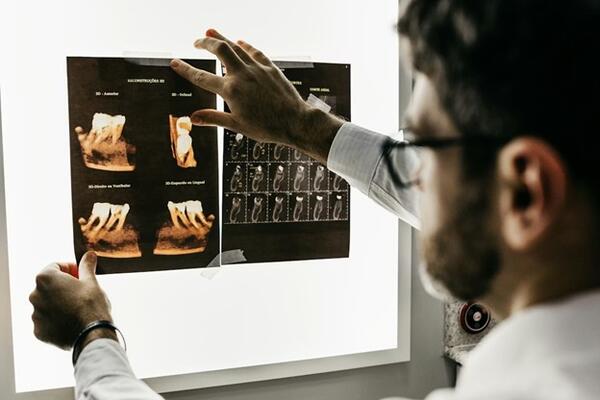
3D imaging technology enables precise treatment planning for orthodontic work, implant placement, and complex restorative cases. Family dentists can show patients exactly how treatments will progress and what final outcomes will look like, improving treatment acceptance and patient satisfaction.
Air abrasion techniques provide alternatives to traditional drilling for small cavities, making treatments more comfortable for patients of all ages. This micro-sandblasting approach preserves more healthy tooth structure while eliminating decay with minimal discomfort.
Future Trends Shaping Family Dentistry Practices
Artificial intelligence is beginning to assist with diagnosis and treatment planning in family dental practices. AI systems can analyze radiographs for early signs of decay, identify patterns in family members' oral health data, and suggest preventive interventions based on genetic and environmental risk factors.
Teledentistry platforms enable family dentists to provide consultations, monitor healing, and offer guidance between office visits. This technology proves particularly valuable for families with transportation challenges or those managing multiple treatment plans across family members.
Biomarker testing is emerging as a tool for personalized preventive care. Family dentists can now test saliva samples to identify bacterial compositions that increase disease risk, customize treatment protocols based on individual oral microbiomes, and monitor how interventions affect bacterial populations over time.
Research and Expert Insights on Family Dental Health
Recent studies have transformed understanding of how family dynamics influence oral health outcomes. Research published in the American Journal of Preventive Medicine demonstrates that family-based interventions are significantly more effective than individual-focused approaches for preventing childhood cavities and establishing lifelong oral health habits.
The landmark Family Oral Health Study, following 2,500 families over ten years, revealed that children whose parents receive regular dental care are 60% more likely to maintain excellent oral health into adulthood. This correlation stems from shared habits, attitudes toward dental care, and genetic factors that family dentists can address comprehensively.
Dr. Sarah Chen, lead researcher at the University of Michigan's Family Dental Health Institute, notes that "the family unit creates an oral health ecosystem where individual behaviors affect everyone's outcomes. Family dentists who understand these dynamics can implement interventions that improve health for all family members simultaneously."
Studies on Child Oral Health and Family Dentistry
The National Institute of Dental Research's 2023 longitudinal study compared oral health outcomes between children treated in family practices versus those seen by pediatric specialists. Results showed that family practice patients demonstrated better long-term preventive care compliance, with 45% fewer missed appointments and 25% better home care consistency.
Interestingly, the study found that children in family practices were more likely to continue regular dental care as adults. The familiarity with their dental provider and established family patterns created smoother transitions from pediatric to adult care, maintaining preventive habits throughout life.
Research on early childhood caries reveals that family-centered prevention programs reduce cavity rates by up to 55% compared to traditional individual-focused approaches. These programs address household factors like shared meals, bottle-feeding practices, and fluoride exposure that affect multiple family members.
Connections Between Family Dentistry and Overall Health
Emerging research demonstrates strong connections between family oral health patterns and systemic health outcomes. Families with poor oral health show higher rates of diabetes, cardiovascular disease, and inflammatory conditions across multiple generations. Family dentists, with their longitudinal perspective on family health, are uniquely positioned to identify and address these connections.
Studies indicate that periodontal disease in parents correlates with increased risk of premature birth and low birth weight in pregnant family members. Family dentists can provide coordinated care that addresses these risk factors before they affect pregnancy outcomes.
The connection between oral health and cognitive development in children has gained research attention. Children with untreated dental pain show measurable decreases in academic performance and social development. Family dentists who understand family educational goals can prioritize treatments that support children's learning and development.
Common Questions and Misconceptions About Family Dental Care
One persistent misconception suggests that family dentists cannot provide the same quality of pediatric care as specialized pediatric dentists. While pediatric dentists offer valuable expertise for complex cases, research shows that family dentists achieve equivalent outcomes for routine pediatric care while providing additional benefits of continuity and family coordination.
Another common concern involves whether family practices can handle emergency dental situations effectively. In reality, family dentists often provide more comprehensive emergency care because they understand each family member's medical history, previous treatments, and risk factors. This knowledge enables faster, more accurate emergency treatment decisions.
Many families wonder if seeing one provider for all dental needs limits treatment options. Modern family dental practices typically maintain relationships with specialists for complex cases while coordinating all aspects of care. This approach often provides access to more treatment options, not fewer.
How Fluoride and Sealants Help Prevent Cavities
Fluoride remains one of the most effective cavity prevention tools available, but its use requires careful coordination in family settings. Family dentists consider each family member's fluoride exposure from water, toothpaste, and professional treatments to optimize protection while avoiding overexposure.
Children typically benefit from professional fluoride applications every six months, while adults with higher cavity risk may need more frequent treatments. Family dentists coordinate these schedules to ensure optimal protection for all family members while managing the logistics of treatment timing.
Dental sealants provide long-lasting cavity protection for children's permanent molars, but timing is crucial. Family dentists monitor tooth eruption patterns across siblings to schedule sealant application when it will be most effective. They also educate families about proper sealant care to maximize longevity.
Managing Dental Anxiety in Family Dentistry
Dental anxiety affects up to 40% of children and adults, but family dental practices are uniquely positioned to address these concerns. Family dentists observe how anxiety patterns develop and spread within families, enabling targeted interventions that help all affected family members.
Children often mirror their parents' attitudes toward dental care. Family dentists can work with anxious parents to model positive behaviors for their children, breaking cycles of dental avoidance that can span generations. They might schedule parent and child appointments together, allowing anxious children to observe their parents receiving comfortable care.
Sedation options in family practices have expanded significantly, with oral sedation, nitrous oxide, and IV sedation available for patients of all ages. Family dentists can coordinate sedation schedules for multiple family members, reducing the stress and logistics of managing anxious patients.
Understanding Family Dental Insurance and Nutrition's Role
Modern dental insurance has evolved to support family-centered care models, but navigating coverage requires understanding how family plans work. Most insurance providers offer family maximums that can be strategically used to maximize benefits across all family members.
Preventive care typically receives full coverage under family plans, making regular checkups, cleanings, and fluoride treatments affordable for all family members. However, coverage for orthodontic treatment, cosmetic procedures, and major restorative work varies significantly between plans.
Family dentists often help coordinate treatment timing to maximize insurance benefits. They might recommend completing all family members' major work within a single plan year to reach family maximums efficiently, or spacing treatments across plan years to optimize coverage.
Overview of Family Dental Insurance Options
Traditional fee-for-service plans offer maximum flexibility in choosing family dental providers but typically require higher out-of-pocket costs. These plans work well for families wanting to maintain relationships with specific family dentists regardless of network restrictions.
Dental Health Maintenance Organizations (DHMOs) provide comprehensive coverage at lower costs but require families to choose providers within specific networks. These plans often work well for families prioritizing cost-effectiveness over provider choice flexibility.
Preferred Provider Organizations (PPOs) offer middle-ground options with moderate costs and reasonable provider flexibility. Families can see out-of-network providers but pay higher costs, making these plans suitable for those wanting some provider choice while managing costs.
How Nutrition Impacts Family Dental Health
Nutrition affects oral health at the family level through shared meals, grocery shopping decisions, and established eating patterns. Family dentists consider household dietary habits when developing prevention strategies, recognizing that individual dietary changes often require family-wide modifications.
Sugar consumption patterns particularly impact family oral health. Families that frequently consume sugary drinks or snacks create environments where all members face increased cavity risk. Family dentists can provide education and alternatives that improve oral health for everyone while respecting family food preferences and cultural practices.
Calcium and vitamin D intake affects tooth development in children and periodontal health in adults. Family dentists can identify nutritional deficiencies that affect multiple family members and recommend dietary modifications or supplements that benefit the entire household.
The timing of meals and snacks significantly impacts oral health outcomes. Families that eat frequent small meals or constantly snack create conditions where teeth are under acid attack throughout the day. Family dentists help establish eating schedules that protect oral health while meeting family nutritional needs.
As healthcare becomes increasingly personalized and coordinated, family dentistry represents the future of oral health care. The evidence clearly demonstrates that families receiving coordinated dental care achieve better health outcomes, lower costs, and improved quality of life compared to those using fragmented care models.
The integration of new technologies, insurance innovations, and research insights continues to enhance what family dental practices can offer. For families ready to move beyond traditional dental care approaches, understanding these advantages provides a foundation for making informed decisions about their oral health strategy. The question isn't whether family dentistry offers benefits—it's how quickly families can access and leverage these comprehensive care models for their long-term wellbeing.