
How Does Caregiver Certification Differ for Home vs. Facility Care?
How to become a certified caregiver is a common question for those who want to work in a care facility. Caregivers help the elderly and disabled stay safe and comfortable. The demand for caregivers is expected to surge by 21% from 2023 to 2033, according to the U.S. Bureau of Labor Statistics, making it a great time to pursue this career. Let’s go step by step to find the best path for you!
A Quick Guide to Caregiver Certification
Becoming a certified caregiver equips you to assist with daily tasks, provide emotional support, and handle basic medical duties. Certification proves you have the skills to deliver quality care and can be completed online or in person. If you're wondering how to become a certified caregiver, it involves specific training, testing, and regulations. Caregiving can be provided in different settings, depending on the needs of the person receiving care. The two main types are home care and facility care, and each has its benefits and challenges. In the next sections, we will learn more about these types.
Certification for Home Care
A home caregiver provides care and support to individuals in their homes. The main objective is to keep clients protected and comfortable, no matter the setting. Caregivers improve the lives of those they look after by helping with some everyday tasks and social interactions.
Components of Home Caregiving
Home care involves more than just physically helping the client; it also involves emotional and health-related support. All components are important in improving one's wellness.
Home caregivers assist patients with bathing, grooming, dressing, and toileting. They also help patients maintain their appearances and overall well-being, which is very important when the patient needs assistance in these areas.
Caregivers often manage light housekeeping tasks, such as laundry, cleaning, and organizing. They also help keep the house clean and tidy, go shopping, and pick up prescribed medicines. These tasks play a key role in keeping clients safe and allowing them to live at home.
Caregivers track basic health indicators like temperature, pulse, and blood pressure. They pay attention to any alteration in the patient's status, whether it is a change in signs, affect, conduct, or even physical condition, and convey it to doctors or family members. This helps catch health problems early and ensures the client gets the right care when needed. Careful observation of patients can prevent serious health issues.
Caregivers provide companionship by talking and playing games. They help their clients become more involved and less lonely, improving their general and mental well-being. Building strong relationships with clients can help them feel safe and cared for.
Responsibilities of Home Caregivers
Home caregivers assist with daily tasks to help patients live comfortably, including bathing, dressing, grooming, and any other personal hygiene practices that may be required. They also help with meals and do some housekeeping to ensure the safety and cleanliness of the surroundings.
Home caregivers monitor basic health signs like temperature and pulse and report any changes to family members or doctors. They additionally provide companionship and emotional care to alleviate feelings of isolation. All these activities aim at improving the health and comfort of the patient in their place of residence.
Certification for Facility-Based Care
Caregivers work at facilities such as hospitals, nursing homes, or assisted living centers. They help the patient in a more organized environment and perform more clinical work. These workers collaborate with other team players to ensure that the patient receives suitable care.
Components of Facility-Based Care
Facility caregiving includes tasks that address patients’ medical and personal needs. The ultimate objective is upholding comfort, safety, and well-being.
Caregivers in facilities assist with administering medications, monitoring important signs, and using medical tools. They follow care plans created by nurses or doctors to ensure proper treatment, guaranteeing that patients get the right medication at the right time. Caregivers also notify medical personnel of any changes in the patient's condition to modify the treatment plan if necessary.
Facility upkeep requires a high level of cleanliness. Nurses assist in cleansing, use disinfectants, and adhere to suitable clean practice standards to control infections. They also arrange patients' quarters to prevent falls. Surfaces and equipment need to be cleaned regularly to maintain a safe and healthy environment.
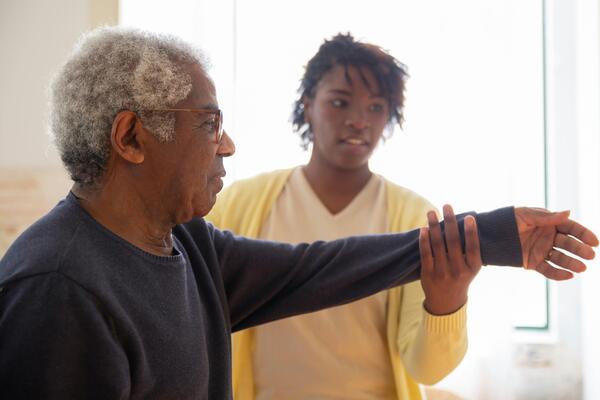
Caregivers assist patients in safe mobility, whether it is walking, assisting them in and out of wheelchairs, or minimizing the risk of injuries by ensuring that the patient is assisted correctly. They also assist patients with changing positions in bed to avoid pressure sores. Caregivers also assist in increasing the patient's strength and mobility by supporting them during physical therapy or exercises.
Facility caregivers offer comfort and talk with patients to reduce stress. They also inform family members about the patient's status. Caregivers' companionship can help patients feel more comfortable in a medical environment. By providing emotional support and a listening ear, they also assist patients in managing symptoms of sadness, anxiety, or loneliness.
Responsibilities of Facility Caregivers
Caregivers working in a facility help patients with everyday tasks such as washing, dressing, and feeding. They also help patients take their medications as scheduled and keep the environment tidy and organized. Caregivers collaborate with the medical team to identify and document any changes in a patient’s condition.
In addition to attending to a patient’s physical needs, caregivers also address a patient’s emotional needs by being present with the patient and relieving stress. Their role is important as it helps ensure that healthcare center patients are at ease and well cared for.
Key Differences Between Home and Facility Care Certifications
There are key differences between getting certified for home care and facility care. Each path has unique training, rules, and work environments to prepare caregivers for specific roles.
|
Aspect |
Home Care |
Facility-Based Care |
|
Training Hours |
40–75 hours |
120+ hours |
|
Focus |
Personal care and companionship |
Medical and clinical support |
|
Oversight |
State-regulated |
Federal and state-regulated |
|
Work Environment |
Client’s home |
Hospitals, nursing homes, assisted living |
When deciding how to become a certified caregiver, think about what kind of care you want to provide. Home care offers more flexibility, while facility care has a structured, team-based environment.
Steps to Become a Certified Caregiver
Becoming a certified caregiver involves completing training, passing tests, and meeting specific rules. If you’re exploring how to become a certified caregiver, follow these steps:
- Research State Requirements: Check your state’s health department or training program for prerequisites.
- Complete Training: Enroll in an accredited HHA, PCA, or Caregiver Certification Program.
Looking to qualify for entry-level home care roles like PCA? A flexible option is an online pca certification that aligns with state guidelines and covers core skills such as assisting with ADLs, infection control, safe transfers and mobility, client communication, documentation, and confidentiality. Many courses are self-paced and include a final assessment with a downloadable certificate you can present to employers or agencies.
- Gain Experience: Certain certificates call for supervised work experience or practical hours.
- Pass the Certification Exam: Exams test your knowledge and practical caregiving skills.
- Maintain Certification: Most certifications require periodic renewal and continuing education credits.
Following these steps ensures you’re prepared for a rewarding caregiving career.
Choosing Between Home and Facility Caregiver Courses
Knowing the differences between home and facility caregiver certifications helps you decide how to become a certified caregiver. Home caregivers build close, personal connections and have flexible work. Whereas, facility caregivers work in organized clinical settings with a team. Both paths are rewarding and let you make a real difference in people’s lives. Pick the option that matches your goals, and start your journey today!