
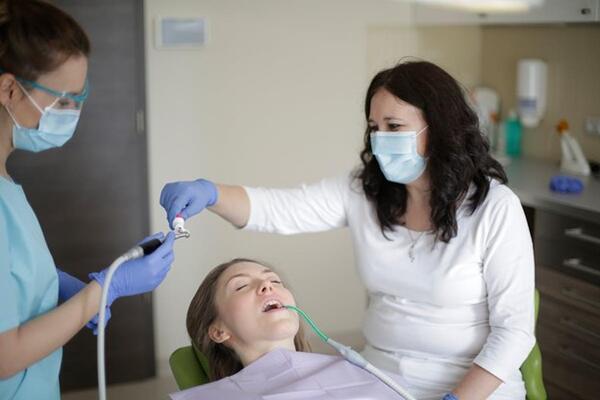
How Preventive Dentistry Reduces the Need for Major Dental Procedures
The statistics are sobering: nearly 90% of American adults will require at least one major dental procedure by age 65, from root canals to tooth extractions to periodontal surgery. Yet here's what's remarkable—according to the American Dental Association's 2024 data, patients who maintain consistent preventive care reduce their risk of major dental interventions by up to 70%. The difference isn't just clinical; it's financial. The average American spends $1,986 annually on reactive dental care, compared to just $340 on preventive measures. Exploring options for affordable preventive dental services can help patients take a proactive approach and reduce both long-term costs and the likelihood of complex treatments.
This isn't just about individual health choices anymore. As dental insurance companies increasingly favor prevention-based models and employers recognize the productivity costs of emergency dental procedures, preventive dentistry has become a cornerstone of modern healthcare strategy. The shift is fundamental: we're moving from a "fix when broken" mentality to a "maintain and prevent" approach that's reshaping how dental professionals practice and how patients think about oral health.
The science behind this transformation is compelling, and the mechanisms are more sophisticated than most people realize. Understanding how preventive care actually works—and why it's so effective at avoiding major procedures—reveals why dental professionals and public health experts consider it the most significant advancement in oral healthcare over the past two decades.
What Is Preventive Dentistry and Why Is It Important?
Preventive dentistry represents a fundamental shift in how we approach oral health care. Rather than waiting for problems to develop and then treating them, this approach focuses on maintaining optimal oral health through systematic, evidence-based interventions that stop disease processes before they require invasive treatment.
The foundation rests on a simple but powerful principle: most major dental problems develop gradually over months or years. Dental caries (cavities) don't appear overnight—they result from sustained bacterial activity that gradually demineralizes tooth enamel. Periodontal disease follows a predictable progression from gingivitis to advanced periodontitis. Oral cancer typically shows early warning signs before becoming life-threatening. This predictable progression creates windows of opportunity where preventive interventions can halt or reverse disease processes.
What makes preventive dentistry particularly effective is its multi-layered approach. Professional cleanings remove bacterial biofilms that brushing and flossing can't reach. Fluoride treatments strengthen tooth enamel at the molecular level. Dental sealants create physical barriers against bacterial invasion. Regular examinations catch problems when they're still manageable with minimal intervention.
The economic impact demonstrates the approach's effectiveness. According to the National Institute of Dental and Craniofacial Research, every dollar spent on preventive care saves an average of $8-50 in future treatment costs, depending on the specific intervention. This return on investment occurs because preventive measures address problems when they're small and simple to resolve, rather than after they've become complex and expensive to treat.
But preventive dentistry's importance extends beyond individual economics. From a public health perspective, it represents our most effective tool for addressing oral health disparities. Communities with robust preventive programs show dramatically lower rates of tooth loss, periodontal disease, and oral cancer mortality across all socioeconomic groups.
How Preventive Dentistry Works to Protect Oral Health
Understanding how preventive care actually stops major dental problems requires looking at the biological mechanisms that drive oral disease. The mouth harbors over 700 different bacterial species, most of which exist in careful balance when oral health is maintained. Problems arise when this balance shifts toward pathogenic bacteria that produce acids, toxins, and inflammatory compounds.
Biological Mechanisms Preventing Dental Disease
The most critical mechanism involves biofilm disruption—the systematic removal of bacterial communities that adhere to teeth and gum lines. These biofilms, commonly called plaque, create protective environments where harmful bacteria multiply rapidly. Professional dental cleanings use ultrasonic scalers and specialized instruments to remove biofilms from areas that daily brushing cannot reach, particularly below the gum line and between teeth.
Fluoride treatments work at the molecular level to strengthen tooth enamel through a process called remineralization. When bacteria produce acids that begin dissolving tooth enamel, fluoride helps recruit calcium and phosphate ions from saliva to rebuild the mineral structure. This process can actually reverse early stages of tooth decay, preventing the need for fillings or more extensive restoration.
Saliva production plays a crucial role that preventive care actively supports. Saliva neutralizes bacterial acids, delivers minerals to tooth surfaces, and contains antimicrobial compounds. Regular dental visits often include assessments of saliva flow and composition, with recommendations for medications or treatments that optimize this natural protective mechanism.
Role of Early Detection and Risk Reduction
Early detection transforms potentially major problems into minor interventions. Digital radiography can identify decay between teeth months before it becomes visible or symptomatic. Periodontal probing measures gum pocket depths that indicate early stages of gum disease. Oral cancer screenings detect abnormal tissue changes years before they become invasive.
The key insight is that dental diseases follow predictable timelines. A small cavity detected early requires a simple filling that takes 30 minutes and costs $200-400. The same tooth, left untreated, may eventually require root canal therapy ($1,200-1,800) followed by a crown ($1,000-2,500), or ultimately extraction and replacement with an implant ($3,000-6,000). Prevention interrupts this progression at the earliest, least expensive stage.
Risk assessment has become increasingly sophisticated, allowing dental professionals to predict which patients are most likely to develop specific problems. Factors like genetics, medical conditions, medications, diet, and lifestyle habits help determine optimal prevention protocols. High-risk patients might receive more frequent cleanings, specialized treatments, or targeted interventions that prevent problems before they start.
Common Preventive Dental Practices and Their Effectiveness
The foundation of preventive dental care rests on several evidence-based interventions, each targeting specific aspects of oral disease prevention. Professional dental cleanings, typically performed every six months, remain the cornerstone of preventive care. During these appointments, dental hygienists use specialized instruments to remove tartar (calcified plaque) that cannot be eliminated through home care alone.
Research published in the Journal of Clinical Periodontology demonstrates that patients receiving regular professional cleanings reduce their risk of periodontal disease by 60% compared to those relying solely on home care. The cleaning process disrupts bacterial biofilms and removes irritants that trigger inflammatory responses in gum tissue.
Fluoride applications have proven remarkably effective at preventing tooth decay. Professional fluoride treatments deliver higher concentrations than available in consumer products, creating a protective reservoir in tooth enamel that continues providing protection for months after application. The Centers for Disease Control reports that fluoride treatments reduce cavities by 20-40% in both children and adults.
Dental sealants represent one of the most cost-effective preventive interventions available. These thin plastic coatings are applied to the chewing surfaces of back teeth, where deep grooves trap food particles and bacteria. The American Dental Association's data shows that sealants prevent 80% of cavities in treated teeth for two years after application, and continue providing protection for up to nine years.
Oral cancer screenings have become standard components of preventive visits, particularly important given that oral cancer rates have increased 20% over the past decade. Modern screening techniques include visual examination, palpation of oral tissues, and increasingly, adjunctive technologies like fluorescence visualization that can detect abnormal tissue changes before they become visible to the naked eye.
The effectiveness of these interventions compounds when combined consistently over time. Patients who maintain comprehensive preventive care protocols show dramatically different oral health trajectories than those who seek care only when problems arise. The cumulative effect creates what dental epidemiologists call "prevention momentum"—each successful intervention makes subsequent problems less likely.
Preventive Dentistry for Different Populations and Conditions
Effective preventive care requires tailored approaches that account for individual risk factors, age-specific needs, and underlying health conditions. One size definitely doesn't fit all in prevention protocols.
Care Strategies for Children and Adolescents
Pediatric preventive care focuses on establishing healthy patterns during critical developmental windows. Early childhood caries affects nearly 25% of children aged 2-5, making timely intervention crucial. Fluoride varnish applications, often starting at age one, have shown remarkable success in preventing early decay. The varnish adheres to teeth longer than traditional fluoride treatments, providing extended protection during high-risk periods.
Adolescence presents unique challenges as teenagers often decrease their oral hygiene consistency while increasing consumption of sugary drinks and snacks. Preventive strategies for this group emphasize education about long-term consequences and convenient interventions like fluoride mouth rinses that fit easily into busy schedules. Orthodontic considerations become important as many teens begin wearing braces, which trap food particles and make thorough cleaning more difficult.
Preventive Measures for Seniors and Special Needs
Seniors face increased oral health risks due to decreased saliva production (often medication-related), manual dexterity limitations, and higher rates of chronic diseases that affect oral health. Preventive protocols for older adults often include more frequent professional cleanings, prescription fluoride products, and antimicrobial mouth rinses that help control bacterial populations when physical cleaning becomes challenging.
Diabetic patients require specialized preventive approaches because elevated blood sugar levels increase infection risk and slow healing processes. These patients benefit from more frequent periodontal maintenance, careful monitoring for gum disease progression, and coordination between dental and medical care providers to optimize blood sugar control.
Patients with cognitive impairments or physical disabilities need preventive strategies adapted to their caregiving situations. This might include caregiver education, modified oral hygiene tools, or sedation dentistry for professional cleanings when cooperation is difficult. The goal remains the same—preventing major procedures that would be more traumatic and complicated in these vulnerable populations.
Pregnancy requires specific preventive considerations as hormonal changes increase gum disease risk, and oral infections can potentially affect pregnancy outcomes. Preventive care during pregnancy typically includes more frequent cleanings during the second and third trimesters, along with education about nutrition and hygiene practices that protect both mother and developing baby.
Preventive Dentistry Versus Reactive Dental Care
The contrast between preventive and reactive approaches reveals why prevention has become the gold standard in modern dental practice. Reactive care operates on a crisis management model—problems are addressed after they become symptomatic, often requiring complex, expensive interventions with uncertain long-term outcomes.
Consider the journey of a single tooth under each approach. In reactive care, a patient notices pain, seeks emergency treatment, discovers advanced decay requiring root canal therapy, needs a crown for protection, and may eventually lose the tooth despite expensive interventions. The total cost easily exceeds $3,000-5,000, requires multiple appointments, involves significant discomfort, and often results in tooth loss anyway.
Under preventive care, the same tooth receives regular examinations that detect decay when it's superficial. A simple filling resolves the problem for $200-400 in a single visit with minimal discomfort. The tooth remains strong and functional for decades. This comparison illustrates why prevention represents both better health outcomes and superior economics.
The psychological differences are equally important. Patients in reactive care cycles often develop dental anxiety from repeated negative experiences. Emergency visits, pain, complex procedures, and high costs create associations that make people avoid dental care altogether. This avoidance leads to worse problems, creating a downward spiral of deteriorating oral health.
Preventive care creates positive feedback loops. Regular, comfortable visits with good news about oral health build confidence in dental care. Patients see tangible benefits from their prevention investments, encouraging continued compliance with recommended protocols. The dental office becomes associated with maintaining wellness rather than treating crisis.
Treatment complexity differs dramatically between approaches. Reactive care often requires multiple specialists—endodontists for root canals, oral surgeons for extractions, periodontists for gum disease treatment. Preventive care typically involves only general dentists and hygienists working together to maintain health. The coordination challenges, appointment scheduling, and treatment delays that complicate reactive care are largely eliminated in prevention-focused practices.
Latest Advances and Public Health Impact of Preventive Dentistry
The preventive dentistry landscape has evolved dramatically over the past decade, driven by technological innovations and growing understanding of oral-systemic health connections. These advances are reshaping both individual patient care and population health outcomes.
Role of Technology and Innovations in Prevention
Artificial intelligence has emerged as a powerful diagnostic tool in preventive care. AI systems can analyze dental radiographs to detect decay and bone loss earlier and more accurately than traditional visual interpretation. Some systems identify patterns that predict future disease risk, allowing preventive interventions to be targeted more precisely to patients who need them most.
Intraoral cameras have revolutionized patient education and treatment acceptance. When patients can see plaque accumulation, early decay, or gum inflammation on high-resolution monitors, they better understand why preventive treatments are recommended. This visual education has improved preventive treatment acceptance rates by over 40% in practices using the technology consistently.
Laser dentistry offers less invasive approaches to both prevention and early treatment. Low-level laser therapy can reduce bacteria in gum pockets without the discomfort of traditional deep cleaning procedures. Some dental offices now use lasers for preventive treatments that were previously impossible or impractical.
Genetic testing for periodontal disease susceptibility allows personalized prevention protocols based on individual risk factors. Patients with genetic markers for aggressive gum disease can receive enhanced preventive care that prevents problems their genetics might otherwise make inevitable.
Long-Term Benefits and Cost Reduction
The public health impact of widespread preventive dentistry adoption has been profound. Communities with robust school-based prevention programs show 50-70% reductions in childhood tooth decay. Water fluoridation, practiced in over 70% of U.S. communities, prevents an estimated 25% of tooth decay across all age groups.
Healthcare cost reduction extends beyond dentistry itself. Research published in the American Journal of Preventive Medicine demonstrates that patients with good oral health have lower medical costs for diabetes management, cardiovascular disease treatment, and respiratory infections. The oral-systemic health connection means that dental prevention contributes to overall healthcare cost containment.
Workplace productivity studies show that employees with good oral health take fewer sick days and report higher job satisfaction. Emergency dental problems cause an estimated 164 million lost work hours annually in the United States, a figure that preventive care could reduce by 60-80%.
The teledentistry expansion, accelerated by the COVID-19 pandemic, has made preventive education and risk assessment more accessible. Patients can receive personalized prevention guidance, risk assessments, and follow-up care through digital platforms, extending the reach of preventive interventions beyond traditional office settings.
Best Practices to Maintain Effective Preventive Dental Care
Successful preventive dental care requires consistent daily habits combined with professional interventions at appropriate intervals. The most effective approach integrates evidence-based home care with regular professional support tailored to individual risk factors.
Daily oral hygiene forms the foundation, but technique matters more than frequency. Brushing twice daily with fluoride toothpaste using proper technique removes bacterial biofilm more effectively than frequent casual brushing. The American Dental Association recommends two-minute brushing sessions, focusing on the gum line where bacteria accumulate most readily.
Interdental cleaning addresses areas that brushing cannot reach. Flossing remains the gold standard, but water flossers and interdental brushes provide alternatives for patients who struggle with traditional floss. The key is consistency—daily interdental cleaning, regardless of method, significantly reduces gum disease risk.
Dietary considerations play a crucial role in prevention success. Frequent snacking and sipping sugary beverages create repeated acid attacks on tooth enamel. Preventive dietary strategies focus on limiting frequency rather than completely eliminating problematic foods. Eating sweets with meals rather than as isolated snacks, and choosing water over acidic beverages, can significantly reduce decay risk.
Professional care intervals should be individualized based on risk assessment. While six-month cleanings work well for most patients, high-risk individuals benefit from three-four month intervals. Low-risk patients with excellent home care might safely extend to eight-nine month intervals. The key is regular evaluation and adjustment based on changing health status and risk factors.
Patient compliance challenges are common and require ongoing support. Successful preventive programs include patient education, habit formation strategies, and regular reinforcement of prevention goals. Dental teams that maintain enthusiasm for prevention and celebrate patient successes create environments where compliance naturally improves over time.
The future of preventive dentistry lies in personalized medicine approaches that tailor interventions to individual genetic, environmental, and behavioral factors. As our understanding of oral-systemic health connections deepens, preventive dental care will likely become even more integrated with overall health maintenance. The patients and communities that embrace comprehensive prevention today are positioning themselves for healthier, more comfortable, and more affordable oral health throughout their lifetimes.
The evidence is clear: preventive dentistry doesn't just reduce the need for major dental procedures—it transforms the entire experience of oral healthcare from crisis management to wellness maintenance. As technology continues advancing and our understanding of prevention mechanisms deepens, the gap between preventive and reactive outcomes will only widen further in favor of those who choose prevention.