
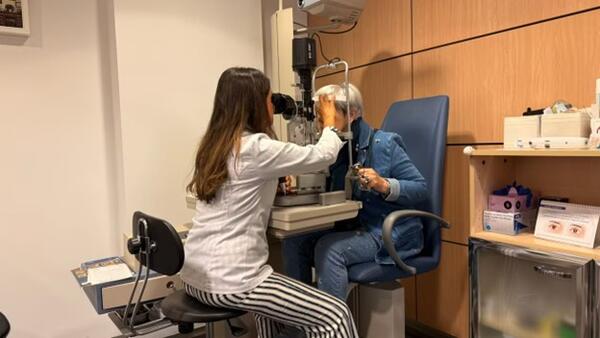
How Regular Eye Exams Support Healthy Aging and Independent Living
Most people don't think seriously about their eyesight until something feels noticeably wrong. By then, conditions like glaucoma or macular degeneration may already be progressing quietly in the background, well before any symptoms surface.
That's why the American Academy of Ophthalmology recommends adults over 40 get a comprehensive eye exam at minimum every one to two years, with annual eye exams becoming standard practice as age-related risks increase. Government health data consistently shows that early detection is one of the most effective tools available for reducing preventable vision loss.
The connection to independent living is more direct than most people realize. Clear, functional eyesight supports reading prescription labels, recognizing faces, navigating stairs safely, and managing the kind of daily tasks that make self-sufficiency possible. When older adults take that step before problems develop, they give themselves a meaningful advantage in preserving both their vision and their quality of life. That's the thread running through everything covered in this article.
Why Eye Exams Matter More as You Age
Age quietly shifts the odds when it comes to eye health. Several serious conditions become more likely over time, and many of them develop without any obvious warning signs, which means a person can feel perfectly fine while meaningful changes are already underway.
Routine habits like monitoring blood pressure, managing diabetes, and keeping regular vision care appointments all contribute to long-term health and independence. Among those habits, choosing to schedule a routine checkup before problems emerge is one of the more straightforward ways older adults can protect their daily function. Government health data consistently reinforces that early detection reduces preventable vision loss more effectively than reactive care.
The practical stakes are real. Vision affects reading, medication management, fall prevention, and the everyday confidence that makes independent living sustainable. A comprehensive eye exam doesn't just check whether a prescription needs updating; it creates an opportunity to catch what isn't yet visible to the person experiencing it.
What Eye Exams Can Catch Before Vision Changes
Many of the eye conditions most common in older adults share one important characteristic: they progress quietly. By the time symptoms become noticeable, the window for early intervention may already be narrowing. That's precisely why symptom-free exams carry so much value.
Common Conditions That Become More Likely Later in Life
Age-related macular degeneration affects the central part of the retina and can gradually erode reading vision and fine detail recognition over months or years. Cataracts, which cloud the eye's natural lens, often develop so slowly that many people attribute the change to normal aging rather than a treatable condition.
Glaucoma is particularly deceptive. It typically causes no pain and no early vision disturbance, yet it steadily damages the optic nerve. Diabetic retinopathy, common among adults managing diabetes, can reach advanced stages before it meaningfully disrupts sight.
A dilated eye exam allows the ophthalmologist to see beyond the surface of the eye and assess the retina, optic nerve, and surrounding structures in detail. Catching these conditions early, before they interfere with daily activities, significantly improves the range of available treatment options.
What Your Eyes May Reveal About Overall Health
Eye exams do more than evaluate vision clarity. The blood vessels inside the eye are among the few in the body that can be observed directly, without invasive procedures, making them a useful window into overall vascular health.
Signs of high blood pressure and diabetes-related vascular changes are sometimes identified during a routine exam before a patient receives a formal diagnosis elsewhere. Inflammation, unusual bleeding, or structural changes in the retina can all prompt further investigation.
For older adults managing multiple health conditions, this kind of integrated monitoring adds genuine value. An ophthalmologist reviewing the eye's interior may surface information that supports the broader picture a primary care physician is working to understand.
How Healthy Vision Supports Independent Living
The conditions covered in the previous section don't just affect sight in isolation. They affect the practical, day-to-day function that makes independent living genuinely possible. Understanding that connection is what gives routine eye care its real-world weight.
Driving, Mobility, and Safety at Home
Driving is one of the first areas affected when vision begins to decline. Difficulty with night driving, reduced contrast sensitivity, and slower reaction to visual cues can quietly erode confidence on the road before a person fully recognizes what's changed.
Inside the home, the risks shift but don't disappear. Vision loss is a well-documented contributor to fall risk, and tasks like cooking, reading labels, and managing medications all depend on reliable visual acuity. Small errors in these areas can carry real consequences for older adults living independently.
What makes regular eye care particularly valuable here is timing. When exams catch changes early, optometrists and ophthalmologists can recommend updated prescriptions, referrals to low vision specialists, or vision rehabilitation programs before function deteriorates significantly. For older adults focused on staying independent at home as you age, vision care is less about the exam itself and more about preserving the autonomy that good sight quietly makes possible.
How Often Older Adults Should Get Eye Exams
For most adults over 65, an annual eye exam is a reasonable baseline, even when vision seems stable. Age itself increases the likelihood of developing conditions that progress without obvious symptoms, so waiting until something feels wrong isn't a reliable strategy.
That said, frequency isn't one-size-fits-all. A comprehensive eye exam schedule may need to shift based on individual factors. Adults managing diabetes, for example, are typically advised to see an ophthalmologist at least once a year due to the risk of diabetic retinopathy. A personal or family history of glaucoma, certain medications, or prior vision changes can all point toward more frequent monitoring.
The distinction worth keeping in mind is the difference between routine care and symptoms that warrant faster attention. Sudden changes in vision, new floaters, flashes of light, or any rapid loss of sight shouldn't wait for a scheduled appointment, and these warrant prompt evaluation regardless of when the last exam occurred.
A useful way to think about it: routine annual exams handle the steady, background monitoring that catches gradual changes. Anything sudden or unexpected sits in a different category entirely and should be treated accordingly.
Signs You Should Not Wait for Your Next Visit
Routine exams handle gradual changes well, but certain symptoms signal something more urgent than a scheduled visit can address. Recognizing the difference matters, because acting quickly in these situations directly affects outcomes.
Sudden floaters, flashes of light, blurred vision, eye pain, or a curtain-like shadow moving across the visual field all require prompt evaluation. These can indicate a retinal tear, retinal detachment, or acute pressure changes that threaten permanent vision loss if left unaddressed.
Unlike the slow progression of conditions a dilated eye exam routinely monitors, these warning signs can worsen within hours. An ophthalmologist needs to assess them the same day they appear, not at the next available appointment slot.
The reassuring part is that fast action typically improves outcomes significantly. Many causes of sudden vision changes are treatable when caught early, but the window for effective intervention can be narrow. When any of these symptoms appear, the right response is to seek care immediately rather than wait and observe.
Habits That Work Alongside Regular Eye Care
Regular eye exams form the foundation of vision health in older age, but the habits built around them matter too. Several systemic conditions directly affect eye health, and managing them well reduces the added burden placed on aging eyes over time.
Diabetes and high blood pressure are two of the most significant. Both can accelerate vascular changes inside the eye, and keeping them well-controlled through medication and lifestyle choices helps limit that progression.
Smoking is another factor worth addressing. It increases the risk of macular degeneration and other vision-related complications, and cessation at any age carries genuine benefit. UV protection, through quality sunglasses that block ultraviolet light, similarly reduces cumulative stress on the lens and retina.
For older adults looking to build a broader approach to healthy aging, resources to support senior wellness can help connect these individual habits into a more complete picture of long-term care.
Key Questions Older Adults Ask About Eye Exams
What happens during a comprehensive eye exam? The appointment typically includes vision testing, a review of eye pressure, and an assessment of the retina and optic nerve. A dilated eye exam uses drops to widen the pupil, giving the ophthalmologist a clearer view of internal eye structures that aren't visible otherwise.
Does an exam still matter when vision seems fine? It does. Many serious conditions develop without noticeable symptoms, and routine screening catches them before function declines.
What about cost? Medicare coverage for eye care depends on the specific service and diagnosis. Routine annual eye exams may not be fully covered, so it's worth confirming benefits with the provider beforehand.
Protecting Independence Starts with Noticing Less
Vision loss rarely announces itself clearly, which is why consistent, proactive care matters more than waiting for symptoms to appear. A comprehensive eye exam, scheduled before something feels wrong, gives older adults the best opportunity to catch changes early and act on them.
Low vision and functional decline are not inevitable parts of aging. For many people, early detection combined with steady follow-through is what keeps independence intact over the long term.