
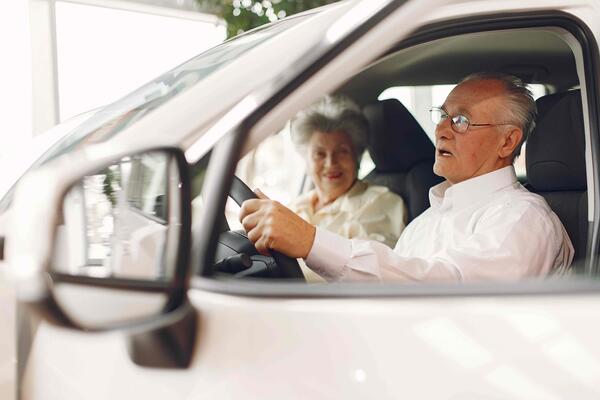
How to Recognize When an Older Adult May Need to Stop Driving
Driving gives older people the freedom, flexibility, and social connections that make life easier for them. They are able to go to appointments, meet with friends, buy groceries, and do other things as part of their daily routine without assistance from anyone else. Nevertheless, visual, auditory, and motor skills, as well as reaction times, may deteriorate with age and influence one’s ability to drive safely. By becoming aware of the decline in such skills early enough, family members will be able to handle their concerns before anything bad happens.
Understanding the Consequences of Unsafe Driving
In cases where a senior individual chooses to drive despite all the safety risks involved, there may be more at risk than just the damage done to the car. The crash can result in severe injuries for the driver as well as any passengers, pedestrians, and others on the road. A car accident lawyer Hamilton can offer advice about your legal rights if you have been injured in a collision.
In addition to difficulty in driving, older people can experience other mobility issues such as trouble getting into and out of the car as well as walking around in parking areas. When deciding whether an older person can handle transportation independently, it is important to take into consideration all those factors. For instance, a senior citizen who has balance issues is also likely to experience trouble maneuvering cars and moving around in crowded places. If a person gets hurt elsewhere, a personal injury lawyer can provide information about your rights.
Changes in Driving Behaviour
Changes in driving behaviour could imply that a senior citizen is in need of reconsideration regarding their ability to drive. Being unable to see traffic signs, moving to another lane without justification, abrupt stopping, and making wrong turns could point towards some problems with attention and decision-making. Drivers who often become confused on how to act at familiar crossroads and have problems with following directions can also have some changes that impact their ability to drive. Family members should notice it when these episodes happen more often than occasionally.
In order to drive safely, a person needs to be able to detect hazards and to respond appropriately to the ever-changing situations. Older people, who have problems with merging, estimating distances, stopping suddenly and reacting to pedestrians, might be under some danger. Some of the warning signs include accidents, collisions, and passengers’ complaints about inappropriate decisions. All these things could be used while speaking with a healthcare provider or in case of conducting a driving assessment.
Physical and Cognitive Changes
Vision changes due to aging may impair the ability to read traffic signs, perceive pedestrians, gauge distance, and detect oncoming vehicles from the sides. Impairments in night vision and increased sensitivity to glare may make driving during the nighttime more difficult. Difficulty in hearing may interfere with the driver’s capability of hearing warning sounds from emergency sirens and horns. Routine eye and ear checkup can detect any issues which could be treated effectively. A dog bite lawyer Hamilton may assist with a separate incident involving an animal.
Cognitive issues can interfere with attention, reasoning, and memory required for safe driving. Older individuals can lose their way in familiar areas, get confused at congested intersections, and struggle in making decisions where there is an appearance of multiple risks at once. Cognitive issues may also impact the ability of an individual to predict others' actions. If a member of the family notices persistent confusion or memory impairment, a professional assessment could prove to be helpful.
Conversations About Driving Safety
Driving is one issue that often raises emotions as older people are usually attached to driving and feel it gives them freedom. In communicating with the older people, the family members need to communicate the problem by giving specific examples. For example, if the older person was recently involved in a near accident or had trouble navigating his way through his usual routes. The involvement of the elderly's perspective and that of a trusted physician may help avoid defensiveness.
Finding transportation alternatives will be a good way of easing the process of changing from driving. The family members can look into the possibility of getting other means of transportation such as public transport or community transport, use of taxi services or ride-sharing services and help from friends and family members. Getting the necessary routine arranged like grocery shopping, doctors' visits and social events will also help keep up the independent lifestyle of the older people.
Identifying when elderly individuals should not be driving anymore involves looking at aspects such as behavior, physical state, cognitive ability, and safety on the road. Assistance from family members can be given through recognizing signs of these factors, getting the elderly to get tested by experts, and talking to them about it with respect and patience. Other means of transportation will still allow the elderly to remain independent and socially active once they can no longer drive safely.