
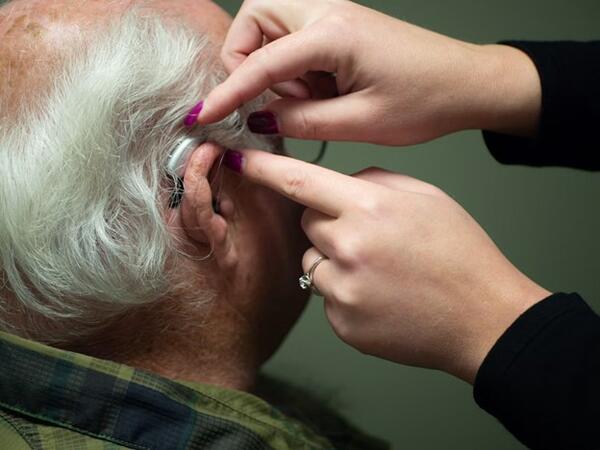
Navigating Senior Health and Care: Essential Tips for Choosing a Hearing Specialist
Changes in hearing can affect conversations, appointments, and everyday safety, so finding qualified care deserves the same attention as selecting any other health provider. A good hearing specialist will assess your needs, explain the results clearly and recommend options that fit your daily routine. The following steps can help older adults and their families evaluate providers without feeling rushed into a decision.
Start With the Right Type of Provider
Several professionals may be involved in hearing care. Audiologists generally hold advanced degrees and assess hearing, balance, and related conditions. Hearing instrument specialists test hearing for the purpose of selecting and fitting hearing aids. An ear, nose and throat physician diagnoses and treats medical conditions affecting the ear.
The right starting point depends on your symptoms. Gradual difficulty following conversation may lead to a hearing assessment. Sudden hearing loss, ear pain, drainage, dizziness or a major difference between ears calls for prompt medical attention. Ask each provider about their training, licensing and scope of practice, since requirements vary by location.
Look Beyond the Initial Appointment
Before booking, learn what the provider offers after the first assessment. Guidance on choosing a hearing specialist can help you identify practical criteria such as communication style, experience and personalized care.
Ask how much time is reserved for the appointment and whether a family member can attend. A thorough visit should include a discussion of your health history, common listening situations and current concerns. The specialist should also explain test results in plain language. Pay attention to how the office handles follow-up adjustments, repairs and questions. Hearing needs can change, and even a well-selected device may require fine-tuning after you use it at home.
Prepare Questions Before Discussing Devices
Write down the situations where hearing has become difficult. Specific examples give the specialist useful information. You might hear well in a quiet living room but struggle during group meals, telephone calls or community activities. Bring a list of medications and note any ringing, pressure or balance problems.
If hearing aids are recommended, ask which features address your actual needs. The Mayo Clinic’s overview of hearing aid choices explains common styles and features, including rechargeable batteries and directional microphones. You should also ask how devices will work with a phone, television or other technology you use regularly.
Review Costs, Trials and Follow-Up Care
Request a written breakdown of the full cost before agreeing to treatment. The estimate should explain what’s included, such as the devices, fitting appointments, follow-up visits, warranties and repair coverage. Find out whether there is a trial or return period and what fees apply if a device is returned.
Avoid comparing prices based only on the device itself. Professional fitting and ongoing adjustments can have a direct effect on comfort and daily use. Keck Medicine’s guidance on choosing a hearing aid also recommends considering lifestyle, technology preferences and maintenance. Ask about insurance coverage or payment options before the order is placed so there are no surprises.
Notice How the Specialist Communicates
A strong provider listens without making assumptions about age, ability, or lifestyle. During the consultation, notice whether the specialist gives you time to describe your concerns and checks that you understand the recommendations. Technical terms should be explained, and you should receive clear instructions you can review at home.
Be cautious if an office pressures you to choose immediately, offers only one option without explanation, or dismisses questions about costs. It’s reasonable to seek another opinion when a recommendation feels unclear. A family member or trusted friend can take notes, compare options and help recall details after the appointment, but your preferences should remain central to the discussion.
Plan for Adjustment and Long-Term Care
Hearing care continues after a device is fitted. Many people need several appointments to adjust volume, physical fit, and settings for different environments. Ask when the first follow-up will occur, who handles urgent problems, and how often hearing should be reassessed. Daily cleaning and proper storage should also be demonstrated in person.
Keep brief notes during the first few weeks. Record situations where speech remains unclear, sounds feel uncomfortable, or the device is difficult to handle. Those details help the specialist make precise changes. The best final choice is a provider who offers clear answers, realistic expectations, and dependable follow-up when your hearing needs change.