
Rethinking Beauty: Ideals, Culture, and Real Stories
Beauty is often seen as a universal concept, yet it varies greatly depending on cultural context and human experience. Across the world, different societies develop their own standards of attractiveness, shaped by history, media, and evolving social values. At the same time, certain stories remind us that beauty is not always about appearance—it can also carry deeper emotional and symbolic meaning.
Understanding beauty today requires looking at both traditional ideals and real-life narratives.
Cultural Ideals and Their Evolution
In East Asia, particularly in China, beauty standards have long reflected values such as harmony, elegance, and refinement. Traditionally, features like smooth skin, balanced proportions, and subtle expressions were considered ideal. These characteristics were often associated with discipline, health, and inner balance.
Modern interpretations of chinese beauty standards show how these classic ideals have adapted over time. Global fashion trends, social media, and pop culture have introduced new influences, expanding what is considered attractive.
Today, there is more room for individuality, and people are increasingly embracing diverse appearances while still drawing inspiration from traditional aesthetics.
Stories That Challenge Traditional Beauty
While cultural standards define one side of beauty, real-life stories often present a completely different perspective. One powerful example is the story associated with sleeping beauty mount everest.
This story has become a haunting symbol of the risks and realities of extreme exploration. It shifts the focus away from physical appearance and highlights themes such as human ambition, fragility, and the overwhelming power of nature.
Such narratives remind us that beauty can also exist in reflection, meaning, and the emotional impact of a story.
The Role of Global Influence
In the modern world, beauty standards are no longer confined to specific regions. The internet and global media have created a shared space where trends spread rapidly across cultures.
This exchange has led to a blending of ideals, where traditional concepts coexist with contemporary influences. As a result, people are exposed to a wider range of perspectives and are more open to redefining what beauty means to them.
Individuality Over Perfection
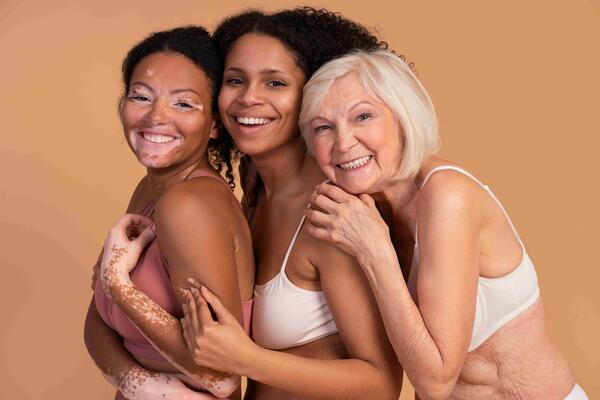
A significant shift in recent years has been the move away from rigid standards toward personal expression. Instead of trying to meet a fixed ideal, many individuals now focus on highlighting their unique features.
This change encourages confidence and promotes a healthier relationship with appearance. Beauty is no longer about perfection but about authenticity and self-acceptance.
Beyond Appearance
True beauty often lies beyond physical traits. It can be found in experiences, emotions, and the stories that shape our understanding of the world. Cultural ideals provide structure, but personal and collective narratives add depth and meaning.
By considering both aspects, we gain a more complete perspective.
A Modern Perspective on Beauty
Beauty today is not a single definition but a combination of influences, traditions, and individual choices. Cultural standards continue to evolve, while powerful stories remind us of the deeper layers behind the concept.
In the end, beauty becomes something personal—shaped by how we see ourselves, how we understand others, and how we interpret the world around us.