
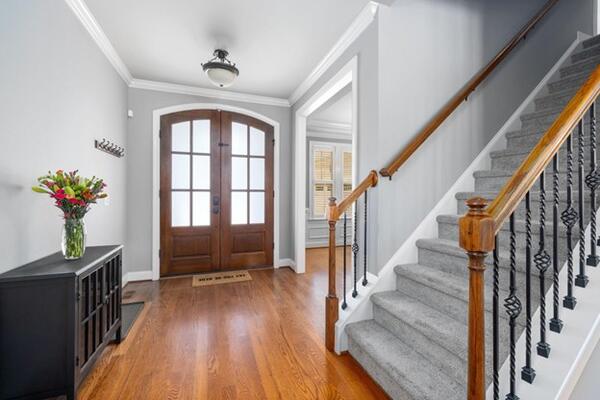
Stairway mobility barriers often trigger premature moves to assisted living communities
You love your home, the neighbors who wave from across the street, and the quiet comfort of your own bedroom upstairs. When climbing those steps starts feeling like a daily chore rather than an effortless habit, worry quickly creeps in for both you and your loved ones. One small stumble on the landing can spark sudden conversations about packing up and moving into a care facility, even when you handle every other part of your life with ease.
Recognizing the difference between a simple architectural hurdle and a genuine need for round-the-clock medical supervision changes everything. Targeted home mobility upgrades remove the physical threat of stairs, letting you stay safely under your own roof for years to come.
What Residential Lift Features Keep Multi-Story Homes Accessible?
Modern vertical mobility solutions blend seamlessly into residential interiors without turning your house into a clinical environment. Compact through-floor elevators travel smoothly between levels, occupying minimal floor space while eliminating the strain of climbing steps.
Installing self-supporting dual-rail residential lifts like Stiltz Home Lifts gives you reliable access to upstairs bedrooms and bathrooms without requiring major structural load-bearing walls. These self-contained units plug into standard household outlets and travel quietly through a small ceiling aperture, preserving your home's layout and natural light.
Essential Safety Systems for Daily Peace of Mind
Reliable home lifts include built-in safeguards engineered specifically for older adults living independently. When comparing models for your home, focus on core protective features that guarantee smooth, worry-free operation every single day.
How Do You Spot Early Stairway Mobility Red Flags?
Physical changes around stairs rarely happen overnight. You might notice yourself gripping the wooden banister tighter than usual, pausing halfway up to catch your breath, or hesitating at the top step before descending. Many older adults subconsciously alter their routines by keeping a basket at the bottom of the stairs to cut down on trips, or they start sleeping on a downstairs sofa to avoid the climb altogether.
According to data from the Centers for Disease Control and Prevention, over a quarter of adults aged 65 and older experience a fall each year, and taking a single tumble doubles the likelihood of falling again. Paying attention to subtle balance shifts before an accident happens keeps you in control of your living situation.
Distinguishing Physical Barriers from Medical Care Triggers
Struggling with a steep staircase points to an environmental obstacle, not a decline in your ability to live independently. When you manage your own medications, prepare meals, drive safely, and stay socially active, relocating to a facility strips away independence you do not need to surrender.
Why Do Families Rush Toward Assisted Living After a Fall?
Fear drives most hurried housing decisions. When an adult child sees a parent trip on a carpeted tread, panic sets in, and touring a local retirement community feels like the fastest way to guarantee safety. Families often assume that moving into a single-level apartment inside a managed community is the only logical solution once stairs become hazardous.
Research highlighted by the National Council on Aging shows that older adult falls lead to more than 3 million emergency room visits and exceed $80 billion in direct medical expenses every year. Facing those stark realities, relatives naturally want to eliminate fall hazards immediately, sometimes overlooking simpler modifications that solve the exact same problem at home.
What Are the Financial Costs of Relocation Versus Home Upgrades?
Moving into an assisted living community carries a steep, recurring price tag that continues rising every year. Monthly rent, community fees, and tiered care charges quickly drain retirement savings, especially when a resident stays for five or ten years. Selling a longtime family home under pressure also brings realtor commissions, moving expenses, and capital gains considerations.
Modifying your existing house requires a predictable, one-time investment that preserves your home equity. Upgrading a staircase or installing vertical access costs a fraction of a single year in a private care facility, leaving your nest egg intact for travel, healthcare, and hobbies.
How Does Moving Affect Emotional Well-Being and Couple Independence?
Leaving a beloved home disrupts decades of memory-making and personal identity. Packing up a lifetime of belongings into a compact two-room suite forces painful choices about cherished furniture, gardens, and family heirlooms. Losing familiar surroundings often triggers stress, isolation, and a sudden drop in daily activity levels.
Couples face an especially painful dilemma when one partner struggles with stairs while the other remains completely agile. Relocating to a facility forces the healthier spouse to give up their active lifestyle, whereas removing the stairway barrier lets both partners thrive together in the home they built.
Removing vertical barriers inside the home you love eliminates the primary trigger behind premature moves to assisted living. When stairs no longer stand between you and your upstairs sanctuary, you protect your independence, preserve your financial security, and keep your household together on your own terms.