
The Best Flooring Choices for Aging in Place
When families start planning for a parent or loved one to age in place, flooring isn't always the first thing that comes to mind. Grab bars, walk-in showers, and better lighting tend to get the attention first. But flooring plays a bigger role in safety and comfort than most people realize, since it affects everything from fall risk to how easily someone can move through their own home with a walker or wheelchair.
Here's how the most common flooring options compare for aging in place.
What matters most when choosing flooring for seniors
A few factors consistently come up as priorities: slip resistance, minimizing hard falls if one does happen, ease of movement for walkers and wheelchairs, and low maintenance so upkeep doesn't become its own burden. No single material is perfect on every front, which is why it helps to weigh the tradeoffs against the specific needs of the person living in the space.
Luxury vinyl flooring
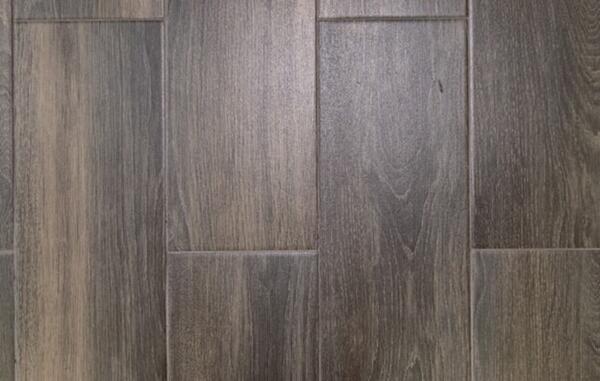
Luxury vinyl has become a popular choice in senior living spaces for good reason. It offers a slip-resistant surface even when wet, which matters enormously in kitchens, bathrooms, and entryways where spills and tracked-in moisture are common. It also has a slight bit of give underfoot compared to hard surfaces like tile or stone, which can make a real difference in comfort for anyone standing for extended periods or dealing with joint pain. Because it's fully waterproof, it holds up well in high-moisture areas without the risk of warping that comes with hardwood or laminate. It's also relatively easy to clean and maintain, which matters for aging adults managing their own home or for family caregivers trying to reduce the overall workload of upkeep.
Carpet
Carpet offers some cushioning, which can be gentler on joints and slightly softer if a fall does occur. However, carpet also comes with real downsides for this population. Thick pile or plush carpet can create tripping hazards, particularly for anyone using a walker or cane, and it can be significantly harder to move a wheelchair across than a hard, smooth surface. Carpet also holds onto moisture, allergens, and odors more than harder flooring options, which can be a bigger issue for aging adults with respiratory sensitivities.
Hardwood
Hardwood has obvious aesthetic appeal, but it comes with some real considerations for this specific use case. Polished or highly finished hardwood can become slippery, especially if any moisture gets tracked onto it, and it offers very little cushioning if a fall occurs. It's also more vulnerable to water damage than vinyl, which matters in a home where spills or minor plumbing issues are more likely to go unnoticed for a while.
Ceramic and porcelain tile
Tile is durable and easy to clean, but it's one of the least forgiving options in terms of fall risk. Tile is hard, which means falls onto it tend to be harder impacts, and depending on the finish, it can be slippery when wet unless a specifically textured, slip-resistant tile is chosen. Grout lines can also create minor unevenness that affects wheelchair and walker movement over large areas.
Laminate
Laminate shares some of the same concerns as hardwood, including a hard, sometimes slippery surface and vulnerability to water damage. Laminate flooring can also be more prone to warping over time in areas with humidity or moisture exposure, which limits where it makes sense in a home designed for long-term aging in place.
Choosing the right flooring room by room
Flooring choices don't have to be uniform throughout the whole house. High-risk areas like bathrooms, kitchens, and entryways benefit the most from a waterproof, slip-resistant surface, while bedrooms and living areas have a bit more flexibility depending on personal preference and mobility needs. Many families choose a consistent, low-transition flooring throughout the main living areas specifically to reduce tripping hazards created by uneven thresholds between different flooring types.
Thinking beyond the material itself
Flooring choice is only part of the picture. Matte or low-sheen finishes reduce glare, which can be disorienting for older adults with vision changes. Consistent flooring height between rooms reduces trip hazards at doorways and transitions. And regardless of material, keeping floors clear of clutter, loose rugs, and cords remains one of the simplest, most effective fall-prevention steps a family can take.
Making a thoughtful, informed choice
There's no single "best" flooring for every situation, since needs vary based on mobility level, existing health conditions, and the specific layout of a home. But for many families planning ahead for aging in place, a waterproof, slip-resistant, and reasonably cushioned surface offers one of the best balances of safety and practicality available. Luxury vinyl flooring is worth a close look for exactly these reasons, particularly in the rooms where safety matters most.