
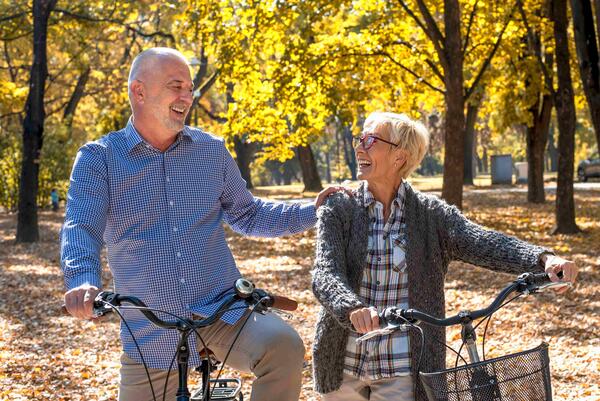
The Health Benefits of Spending More Time Outdoors in Later Life
There's something quietly powerful about stepping outside. It could be a morning walk along a coastal path, pottering in the garden, or simply sitting on a bench watching the world go by. Whatever it is, time spent outdoors has a remarkable effect on the body and mind. For those in their later years, the benefits are especially significant.
Research consistently shows that regular outdoor activity supports physical health, lifts mood, and strengthens social bonds. Yet many people over 50 find themselves spending less time outside than they'd like, often due to the demands of maintaining a larger home or simply not having the right environment on their doorstep. Now let’s find out how spending more time outdoors could transform your health and wellbeing in later life.
The Physical Benefits of Fresh Air and Movement
Regular outdoor activity, even at a gentle pace, can have a meaningful impact on cardiovascular health. Walking, in particular, is one of the most accessible forms of exercise for older adults. It helps maintain a healthy weight, supports joint mobility, and reduces the risk of conditions such as type 2 diabetes and high blood pressure.
Sunlight exposure is another key factor. Time outdoors encourages the body to produce vitamin D, which is essential for bone density and immune function. In the UK, vitamin D deficiency is common, particularly during autumn and winter, so making the most of lighter days is well worth prioritising.
There's also growing evidence that spending time in natural settings can lower cortisol levels, the hormone associated with stress, which in turn supports heart health and helps regulate sleep patterns.
Social Connection and a Sense of Belonging
Outdoor spaces naturally bring people together. Whether it's a shared path, a community garden, or a local nature reserve, being outside often leads to spontaneous conversations and chance encounters that help combat isolation. Loneliness is a significant health concern among older adults in the UK, and staying socially active is one of the most effective ways to protect against it.
Group outdoor activities, such as walking clubs, gardening groups, or simply taking a regular stroll with neighbours, can provide a sense of routine and community. These connections have been linked to longer life expectancy and improved overall wellbeing.
The Convenience of Park Bungalows
Where you live plays a significant role in how easy it's to spend time outside. Those in park bungalow communities positioned near the coast, countryside, or woodland have the sort of outdoor access that can make a real difference to daily habits. These homes are perfectly positioned to encourage healthy living through easy walking trails, picturesque locations and a tight-knit community.
Regency Living communities, for example, are built specifically with older people in mind and are set in some of the UK's most enviable locations, placing residents within easy reach of nature and the benefits it brings.
How Nature Supports Mental Wellbeing
The connection between nature and mental health is well established. Studies have found that spending time in green or coastal environments can reduce symptoms of anxiety and depression, improve concentration, and promote a general sense of calm. For those navigating life changes in their later years, this can be particularly valuable.
Even short periods outdoors, such as a 20-minute walk through a park or a quiet sit in the garden, have been shown to improve mood and increase feelings of vitality. It's a simple, cost-free tool for emotional resilience that's available to almost everyone.
Some research also suggests that natural light during the day helps to regulate the body's internal clock and natural circadian rhythm, which can improve the quality and duration of sleep at night. Better sleep, in turn, supports cognitive function and emotional stability.
Simple Ways to Get Outside More Each Day
It doesn't take a dramatic lifestyle change to reap the rewards of outdoor living. Small, consistent habits tend to be the most sustainable, and there are plenty of easy ways to build more outdoor time into a daily routine:
- Take a short walk after breakfast to set a positive tone for the day.
- Adopt a dog if you’re an animal lover. There’s no better reason to have a walk (or a few) every day.
- Tend a small garden or even a few pots on a patio. Gentle gardening is excellent low-impact exercise.
- Choose outdoor seating for your morning tea or coffee when the weather allows.
- Join a local walking group to combine exercise with social contact.
- Visit local nature reserves, coastal paths, or parks as a regular outing, not just an occasional treat.
The key is to make outdoor time feel natural and enjoyable, not like a chore. Even on cooler or overcast days, fresh air and movement will offer benefits, so it's worth stepping outside regardless of the forecast.
The Bottom Line
Spending more time outdoors is one of the simplest and most effective things you can do for your health in later life. From stronger bones and better sleep to improved mood and a greater sense of connection, the benefits touch almost every aspect of wellbeing.
You don't need to run marathons or embark on ambitious hikes. A daily commitment to fresh air, even in small doses, can make a genuine difference over time. The most important step is simply to open the door and go.