
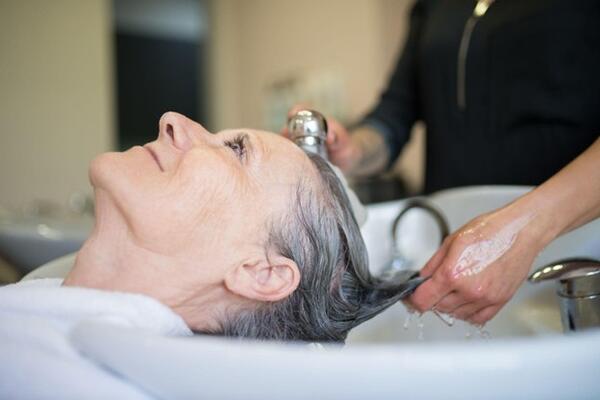
The Small Ritual That Changes How Seniors Feel
Every morning holds a quiet opportunity for transformation. For older adults navigating the transitions of aging, the rituals they maintain in those first few hours can shape not just their day, but their sense of self.
Research indicates that seniors feel more confident when their hair looks neat, and that simple truth extends across every dimension of personal grooming. The connection between appearance and emotional wellbeing runs deeper than surface vanity.
Making sure you look and feel your best through regular bathing, oral care, hand hygiene and grooming can help to positively impact emotional wellbeing, promote self-esteem, encourage more social interaction, and generally improve quality of life. These daily acts of self-care carry profound psychological weight, particularly for individuals who may feel their independence slipping away in other areas of life.
The Haircare Routine That Finally Stuck
Hair changes significantly with age.
Natural oils decrease, making hair more brittle, and texture may become coarser or finer. Many older adults who once managed their grooming routines effortlessly now struggle with arthritis-stiffened hands or reduced mobility. Yet the psychological importance of maintaining these rituals remains unchanged.
One area that consistently creates anxiety involves finding the right products for aging hair and scalp. Many formulations designed for younger consumers contain harsh sulfates or heavy fragrances that irritate sensitive skin.
Older adults with particularly dry, thinning hair often cycle through dozens of products before discovering options that restore moisture without weighing down delicate strands.
For those managing age-related dryness, shampoo and conditioner for dry hair formulated with gentler ingredients can make the difference between a frustrating morning and one that starts with confidence. Lightweight hydration paired with scalp-friendly formulas addresses the specific structural changes hair undergoes as collagen production slows and follicles shrink.
Good haircare practices can significantly increase self-confidence: from routine self-care rituals to dramatic, transformative haircuts signifying the start of a new life chapter. The act of washing, conditioning, and styling becomes more than hygiene. It becomes a statement of continued agency.
Assisted living communities increasingly recognize this connection, incorporating salon services and personal grooming support into their wellness programs. Staff trained to assist with hair care understand that patience and respect during these intimate moments preserve dignity while addressing practical needs.
Why Small Routines Create Outsized Impact
Grooming creates a sense of normalcy and control in a senior's daily life, and the routine of grooming activities provides structure throughout the day. This predictability becomes particularly valuable for individuals experiencing cognitive changes or memory loss. The familiar sequence of steps grounds them in the present moment.
Older adults with a favorable self-care behavioral pattern had a 92 and 87% reduced risk in shifting to the assistance class for mobility and activities of daily living disability outcomes respectively, according to analysis of National Health and Aging Trends cohort data.
The physical act of caring for oneself protects functional independence over time, creating a protective cycle where maintaining grooming routines supports the very abilities needed to continue those routines.
The psychological benefits extend beyond individual wellbeing.
Improved self-esteem leads to increased social engagement, better appetite, improved sleep, and greater motivation for physical activity and medical compliance. Family members notice these cascading effects when their loved ones feel confident about their appearance.
Creating Sustainable Rituals
Establishing a manageable routine requires honest assessment of current abilities paired with strategic environmental modifications. Installing grab bars near the sink, using shower chairs, and keeping grooming tools within easy reach removes unnecessary barriers.
Proper hygiene practices can prevent infections, improve self-esteem, and promote a sense of dignity and independence.
Simplifying the routine itself matters as much as adapting the environment. Switching to easy-grip brushes, pump-dispenser bottles, and leave-in conditioning treatments reduces the physical demands while maintaining effectiveness. The goal centers on preservation of the ritual itself, not perfection of every step.
Person-centred care emphasises recognising each individual as unique, with their values, needs, and preferences, ultimately leading to better psychological well-being. This philosophy applies equally whether an older adult lives independently or receives support services through community programs. Respecting personal preferences about grooming frequency, product choices, and styling methods honors autonomy while addressing practical needs.
The Ripple Effect of Morning Confidence
When a senior begins their day feeling presentable and cared for, that confidence colors every subsequent interaction.
When seniors feel good about their appearance, they are more likely to engage socially and feel confident in social settings, and this increased confidence can lead to more meaningful connections.
The transformation happens gradually. A neighbor stops by and conversation flows more easily.
A family video call brings smiles instead of avoidance. Small social victories accumulate, pushing back against the isolation that threatens emotional health in later years. The morning ritual that once seemed purely practical reveals itself as a cornerstone of psychological wellbeing, a small act that changes everything.