
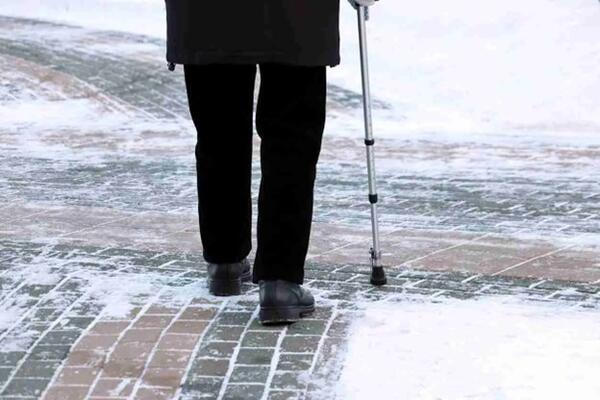
Touring Senior Living in Loveland? Check Winter Access Before You Choose
An icy entrance path can make getting in and out of a senior living community more challenging, so tour more than one community and plan visits strategically before choosing one in Loveland.
Start With Everyday Winter Needs
Keep in mind the trips your loved one will make regularly, such as shopping trips, medical appointments, or coming and going for visits from friends and family. Ask staff which entrance residents typically use because it may differ from the one you’ll walk through during a tour of the front office and amenities.
Also consider whether your loved one will need assistance getting in and out of vehicles or using a walker or wheelchair. Their answers will help determine the best time of year to schedule a tour and which exterior pathways to pay attention to during a visit.
Time Your Tour Carefully
One option is to tour a community after it’s snowed, as long as staff says it’s OK to come by. Don’t brave iffy weather conditions with your loved one just to see how the community handles the elements.
Know that the City of Loveland plows and treats major streets first, followed by collector and residential streets, so that you can factor this into your tour route. Just because the road is plowed doesn’t mean parking lot access is, so be sure to check that, too.
Examine Parking Access
Check the area next to a parking space to see if there’s plenty of room for a resident to stand or set up a walker. Piled-up snow can also make it hard to open a car door or squeeze out of a vehicle. Make sure staff plows and de-ices parking lots in a way that doesn’t force residents to step into traffic.
Also ask where someone could park long enough to help a resident get mobility aids out of the vehicle without impeding other drivers. Then, follow the path your loved one would take from the parking lot to the building.
Follow the Walking Route
During your tour, walk from a parking space or drop-off zone to the main entrance without cutting across unplowed areas or taking other shortcuts. Watch for standing water, uneven terrain, or snow banks that force people off the path. Curb cuts can also get blocked with snow.
Pay attention to where the community’s pathways end, and public sidewalks begin—or vice versa. This distinction can matter later when you ask who’s responsible for de-icing and clearing snow.
Clarify Maintenance Responsibilities
Ask if employees or a contracted company clears snow and ice from the property. Then find out who inspects to make sure the job was done properly. Get the name and contact information for the person residents should call if they notice an issue, including after hours and on weekends.
Relying solely on the snow company for cleanup isn’t enough and may make the area risky if they don’t show up. This question can also shed light on how the community copes with evolving conditions after an initial clearing.
Ask About Changing Conditions
Find out if staff double-check doorways and walkways after clearing them the first time. Ask what happens if a resident reports a particularly slippery area or blocked pathway.
Also ask what resources are available in the meantime, such as an alternate entrance. This option shouldn’t simply relocate the challenge to another part of the building.
Check the Doorway
Lastly, pay attention to the last stretch of the walkway. Note if:
- The mats are secure
- The handrails by the door are accessible
- If doors are easily used without also trying to balance canes or other assistive devices
- The entryways are de-iced so people don’t slip as they step inside
Observe instead of actually walking on potentially slick areas. If staff assist residents with entering and exiting the community, find out how this service works and how people request it.
Confirm How Assistance Works
Don’t assume help will be offered outside of move-in day or tours. Describe the types of assistance your family member typically needs, instead of relying on employees’ general assurances that help will be available.
Get this information in writing, including limitations and hours of availability. It won’t definitively resolve questions about liability, but it will help you make an informed decision before signing up. Clear answers support your choice, although they do not alone settle legal responsibility for an injury.
Understand Property Responsibility
Under the Colorado Premises Liability Act, C.R.S. § 13-21-115, a property owner or manager owes visitors a duty of care depending on why they’re on the premises. Generally speaking, invitees, like people who enter for business purposes, are protected from risks the landowner knew or should’ve known about.
Importantly, this doesn’t translate to an obligation to keep premises hazard-free, especially during the winter months. Instead, owners must act reasonably under the circumstances. Someone’s actions can also impact who’s to blame for an accident, so a slip-and-fall injury doesn’t automatically shift all responsibility to a property owner.
Understand Disputed Responsibility
Colorado’s comparative-negligence law, C.R.S. § 13-21-111, states that a person’s award may be reduced if their negligence contributed to the incident. If the plaintiff’s share of the blame matches or exceeds that of the single defendant, however, Colorado law bars recovery.
Walking with a cane or being advanced in age doesn’t by itself equate to negligence. Someone would need to act unreasonably to shoulder any degree of blame. That said, if people disagree on what happened, documentation of conditions and events can tip the scales.
When an Unsafe Entrance Causes an Injury
After receiving medical treatment for a fall at an assisted living facility, lodge a complaint with management and collect evidence about the situation, without exposing yourself to further harm. Don’t rely on people’s memories alone. Preserve:
- Photographs
- Witness information
- Treatment records
- Letters or other written communications
Questions about liability often turn on the condition of the premises, whether anyone previously reported it, and who controlled the area where the fall occurred. If you can’t resolve these issues with the property manager or their insurance company, an experienced personal injury lawyer in Loveland can help sort out the facts and identify potentially responsible parties.
The Bottom Line
Choose a community whose winter arrangements match your family member’s daily needs, not just its presentation. Before committing, bring a written winter-access checklist and ask staff to demonstrate how their arrangements work.
Compare the answers with your observations, and ask for clarification wherever responsibility or assistance remains unclear. If essential access depends on promises nobody can explain, keep looking before making a move.