
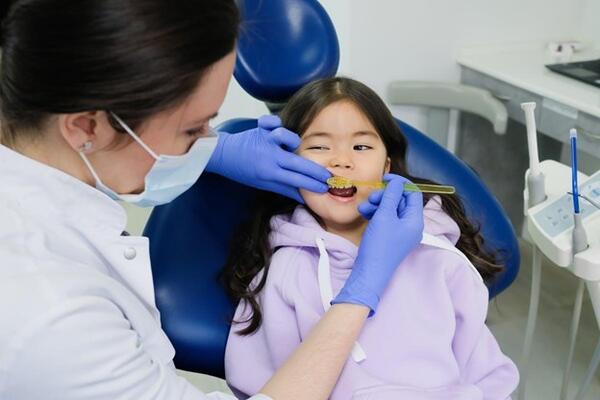
Understanding Pediatric Dental Sealants for Child Oral Health
Nearly 60% of children ages 6-11 have experienced tooth decay in their permanent teeth, according to the CDC's latest surveillance data—a staggering statistic that represents millions of young patients facing pain, expensive treatments, and potential long-term oral health complications. What's particularly concerning is that most of this decay occurs in the back molars, where traditional brushing and flossing often fall short of reaching deep grooves and crevices.
The landscape of pediatric preventive dentistry has evolved significantly in recent years, with dental sealants for cavity prevention emerging as one of the most effective tools in combating childhood cavities. Yet despite overwhelming evidence of their effectiveness, many parents remain unaware of this simple preventive measure, or harbor misconceptions about safety and necessity that prevent their children from receiving this protection.
For busy parents navigating the complexities of children's healthcare, understanding dental sealants isn't just about one more dental procedure—it's about making an informed decision that could spare their child years of dental problems and associated costs. The stakes are particularly high during the elementary school years, when permanent molars first emerge and establish the foundation for lifelong oral health.
This guide cuts through the confusion surrounding pediatric dental sealants, examining the research, addressing common concerns, and providing the practical information parents need to make confident decisions about their children's preventive dental care.
What Are Dental Sealants and Why Are They Used for Children?
Dental sealants represent a targeted approach to preventing tooth decay in the areas where children are most vulnerable: the chewing surfaces of their back teeth. These thin, protective coatings bond directly to the deep grooves and fissures of molars and premolars, creating a smooth barrier that prevents bacteria and food particles from settling into spaces that toothbrush bristles simply cannot reach.
The timing of sealant application aligns with a critical period in children's dental development. When permanent molars first erupt—typically around ages 6 and 12—their chewing surfaces feature complex anatomical patterns of pits and grooves that evolved for efficient food processing. However, these same features create perfect hiding spots for cavity-causing bacteria, particularly in children who are still developing proper brushing techniques and may struggle with thorough oral hygiene.
Research consistently demonstrates that children face disproportionate risk for cavities in these newly erupted molars. The American Dental Association reports that sealants can reduce the risk of decay in molars by up to 80% during the two years after application. This protection is especially crucial because once permanent teeth are lost to decay, they cannot be replaced naturally—making prevention far more valuable than any restorative treatment.
The vulnerability window extends beyond just technique challenges. Children's diets often include more cavity-promoting foods and beverages, their saliva may not yet provide optimal protective benefits, and their understanding of oral health consequences remains developmental. Sealants essentially level the playing field, providing professional-grade protection during these high-risk years when cavity prevention matters most for long-term dental health outcomes.
How Do Dental Sealants Work to Protect Kids' Teeth?
The protective mechanism of dental sealants operates on a straightforward principle: create an impermeable barrier over tooth surfaces where cavities most commonly develop. When properly applied, sealants transform the complex topography of molar chewing surfaces into smooth, easily cleanable areas that dramatically reduce bacterial colonization and acid production.
Materials Used in Pediatric Sealants
Modern pediatric sealants primarily utilize resin-based materials that offer optimal durability and biocompatibility for children's teeth. These light-activated composite resins cure quickly under dental lights, minimizing chair time—a crucial consideration for young patients. The materials are specifically formulated to withstand the considerable chewing forces that molars endure while remaining thin enough to avoid interfering with natural bite patterns.
Glass ionomer sealants represent an alternative material choice, particularly valuable for children who struggle with moisture control during application. These materials release fluoride over time, providing additional protective benefits, though they typically don't offer the same longevity as resin-based options. Some dental practices utilize a combination approach, selecting materials based on individual patient factors and specific tooth characteristics.
Step-by-Step Sealant Application for Children
The sealant application process is designed to be comfortable and non-invasive for pediatric patients. The procedure begins with thorough cleaning of the tooth surface, removing any plaque or debris from the grooves and fissures. Unlike fillings, this process requires no drilling or anesthesia, making it accessible even for anxious children.
Next, the tooth surface undergoes conditioning with a mild acidic solution that creates microscopic roughness, enhancing the sealant's ability to bond securely. After careful rinsing and drying, the liquid sealant material flows into all groove areas, guided by the dentist to ensure complete coverage. A special curing light then hardens the material in seconds, creating a durable protective shell.
The entire process typically takes just a few minutes per tooth, and children can resume normal eating immediately afterward. The smooth, sealed surface feels natural in the mouth and doesn't interfere with chewing or speaking—factors that contribute to high patient acceptance rates among children who receive sealants.
Types of Dental Sealants and Comparison with Other Preventive Treatments
Understanding the landscape of preventive options helps parents make informed decisions about their children's oral health strategy. Sealants occupy a unique position in this landscape, offering targeted protection that complements rather than replaces other preventive measures.
Resin-based sealants dominate current pediatric practice due to their excellent retention rates and durability. These materials typically last 5-10 years with proper care, though they require periodic monitoring for wear or chipping. Glass ionomer sealants, while generally less durable, offer the advantage of fluoride release and better performance in high-moisture environments, making them suitable for children who have difficulty with isolation during application.
The comparison with fluoride treatments reveals complementary rather than competing approaches. Fluoride varnishes and treatments work systemically to strengthen tooth enamel and remineralize early decay, providing broad protection across all tooth surfaces. Sealants, by contrast, offer mechanical barrier protection specifically for the high-risk chewing surfaces where fluoride's benefits are most limited. Research indicates that children receiving both fluoride treatments and sealants achieve superior cavity prevention outcomes compared to either intervention alone.
Fillings represent a restorative rather than preventive approach, addressing cavities after they've already developed. While modern tooth-colored fillings restore function effectively, they cannot match the oral health and economic benefits of preventing cavities in the first place. Studies consistently show that sealant application costs significantly less than filling placement and preserves natural tooth structure that, once removed, cannot be regenerated.
The preventive treatment landscape also includes dietary counseling, improved oral hygiene instruction, and regular professional cleanings. Sealants enhance the effectiveness of these approaches by eliminating the most challenging areas for home care, allowing children's developing oral hygiene skills to be more effective across their remaining tooth surfaces.
What Research Shows About the Effectiveness and Safety of Sealants in Children
The scientific evidence supporting pediatric dental sealants spans decades of research and real-world application, consistently demonstrating both remarkable effectiveness and excellent safety profiles. Large-scale studies and systematic reviews have established sealants as one of the most evidence-based preventive interventions in all of healthcare.
Effectiveness data from the Centers for Disease Control reveals that properly applied sealants prevent 80% of cavities for two years post-application and continue to provide 50% cavity reduction for up to four years. These numbers become even more impressive when considering retention rates: studies show that approximately 95% of sealants remain partially or completely intact after one year, with 85% still providing protection after three years.
Long-term research tracking children through adolescence demonstrates sustained benefits that extend well beyond initial protection periods. Even when sealants eventually wear away or require replacement, teeth that received early sealant protection show significantly lower lifetime cavity rates compared to untreated controls. This suggests that sealants may provide lasting benefits by protecting teeth during their most vulnerable early years after eruption.
Safety concerns that occasionally surface in parent discussions have been thoroughly investigated by dental research organizations. The American Academy of Pediatric Dentistry's comprehensive safety review found no credible evidence linking properly applied dental sealants to adverse health effects. Concerns about BPA exposure, while understandable given general environmental awareness, are not supported by scientific evidence—the trace amounts potentially present are orders of magnitude below any threshold of concern.
Expert consensus from major dental organizations strongly supports routine sealant use in children. The American Dental Association, American Academy of Pediatric Dentistry, and CDC all recommend sealants as safe and effective preventive care. International research from countries with different healthcare systems and populations consistently replicates positive findings, strengthening confidence in universal applicability.
Best Practices for Sealant Use and Maintenance in Pediatric Oral Health
Optimizing sealant effectiveness requires strategic timing, proper maintenance, and integration with comprehensive oral health practices. The most critical factor for success involves applying sealants soon after permanent molars fully erupt, typically within the first year of emergence when teeth are most susceptible to decay initiation.
The first permanent molars, erupting around age 6, represent the highest priority for sealant application. These "six-year molars" appear behind all primary teeth and are often mistaken by parents as "baby teeth" that will eventually fall out. In reality, these teeth must last for life, making early protection crucial. The second permanent molars, emerging around age 12, constitute the next priority, though some children may benefit from sealant protection on premolars as well, depending on individual risk factors and tooth anatomy.
Monitoring sealant integrity becomes part of routine dental visits, with dental professionals checking for chips, wear, or areas where the sealant may have detached. While sealants are remarkably durable, they can occasionally require touch-ups or replacement, particularly in children who grind their teeth or have other habits that create excessive wear patterns. Early detection and repair of sealant defects maintain optimal protection and prevent the need for more extensive interventions.
Dietary considerations play a supporting role in sealant longevity. While sealed teeth are significantly more resistant to cavity formation, extremely hard or sticky foods can potentially damage sealant materials. Parents don't need to restrict children's diets dramatically, but awareness of particularly challenging foods—like hard candies, ice chewing, or very sticky treats—helps preserve sealant integrity.
The integration of sealants with daily oral hygiene practices reinforces overall preventive strategies. Sealants make thorough cleaning easier by eliminating deep grooves where plaque typically accumulates, but they don't replace the need for regular brushing and flossing. Teaching children that sealants provide extra protection rather than complete immunity helps develop realistic expectations and sustained oral hygiene motivation.
Common Misconceptions and Parental Concerns About Dental Sealants
Despite strong scientific support, several persistent misconceptions about dental sealants continue to influence parental decision-making, often preventing children from receiving beneficial preventive care. Addressing these concerns directly helps parents make informed choices based on evidence rather than unfounded worries.
The most common concern involves safety, particularly questions about chemical exposure from sealant materials. Parents sometimes express worry about "plastic" being placed on their children's teeth, reflecting broader environmental and health consciousness. However, research consistently demonstrates that dental sealant materials are biocompatible and pose no health risks when properly applied. The materials used in sealants undergo extensive testing and regulatory oversight, meeting the same safety standards applied to other medical devices.
Another frequent misconception suggests that sealants might "trap" bacteria underneath, potentially causing more problems than they prevent. This concern stems from misunderstanding the application process and sealant function. Properly applied sealants require thorough cleaning and tooth preparation before application, removing existing bacteria and debris. Once applied, the sealant creates an impermeable barrier that prevents bacterial access rather than trapping existing organisms.
Some parents question whether sealants represent "over-treatment," particularly for children who haven't yet experienced cavities. This perspective, while reflecting appropriate caution about unnecessary procedures, misses the fundamental principle of preventive care. Waiting for cavities to develop before taking preventive action contradicts established medical practice in other areas—no one questions vaccinating healthy children or using car seats before accidents occur.
Cost concerns occasionally influence decision-making, though these worries are typically based on incomplete information. Most dental insurance plans cover sealants for children, recognizing their cost-effectiveness compared to restorative treatments. Even when parents pay out-of-pocket, sealant costs represent a fraction of typical filling expenses, particularly when considering the long-term protection they provide.
The timing question—whether children are "too young" for sealants—reflects another common misunderstanding. The optimal time for sealant application is actually as soon as permanent molars fully erupt, regardless of the child's age. Waiting until children are older often means missing the critical protection window when teeth are most vulnerable to decay initiation.
The Role of Dental Sealants in Community and Pediatric Dental Health Programs
Dental sealants have emerged as a cornerstone of public health initiatives aimed at reducing oral health disparities and improving population-wide dental outcomes for children. School-based sealant programs, in particular, demonstrate how targeted preventive interventions can address oral health challenges at the community level while reducing long-term healthcare costs.
The CDC promotes school-based sealant programs as an evidence-based strategy for reaching children who face the highest risk for tooth decay, often due to limited access to routine dental care. These programs typically target elementary schools in underserved communities, providing sealants directly in school settings and eliminating common barriers like transportation, missed school time, and family work schedules. Research tracking these initiatives shows substantial reductions in cavity rates among participating children, with particularly dramatic improvements in communities that previously had limited dental access.
Public health data reveals that sealant programs deliver exceptional return on investment for communities. Every dollar invested in school-based sealant programs saves approximately $7 in future dental treatment costs, according to comprehensive economic analyses. These savings extend beyond immediate healthcare costs to include reduced emergency dental visits, decreased school absenteeism, and improved long-term oral health outcomes that continue into adulthood.
The integration of sealants into broader pediatric dental health strategies reflects evolving understanding of effective prevention models. Rather than focusing solely on treatment after problems develop, comprehensive programs combine sealants with fluoride treatments, oral health education, and early intervention services. This multi-faceted approach addresses various risk factors simultaneously, creating synergistic benefits that exceed the sum of individual interventions.
Future trends in pediatric dentistry point toward even greater emphasis on early prevention, with sealants playing an expanded role in risk-based care models. Emerging technologies may improve sealant materials and application techniques, while growing recognition of oral health's connection to overall wellness strengthens the case for universal preventive care access. As healthcare systems increasingly prioritize value-based care, interventions like dental sealants that prevent expensive future problems while improving quality of life become even more attractive to policymakers and healthcare leaders.
The growing body of evidence supporting community sealant programs has influenced policy recommendations from major health organizations, with many now advocating for expanded access to sealants as a basic component of children's healthcare. This shift represents recognition that oral health prevention requires systematic approaches that reach beyond individual dental visits to address population health challenges comprehensively.
As research continues to demonstrate the long-term benefits of early sealant application, the role of these simple preventive measures in protecting children's oral health—and their overall well-being—becomes increasingly clear. For parents navigating the complex landscape of children's healthcare decisions, understanding the evidence behind dental sealants provides a foundation for making informed choices that can benefit their children for life.