
What Happens During a Routine Dental Checkup and Why Dental Health Matters
Nearly 3.5 billion people worldwide suffer from oral diseases, yet the majority could be prevented through routine dental care. In the United States alone, untreated dental conditions cost the healthcare system over $45 billion annually—a staggering figure that doesn't account for the personal suffering and systemic health complications that follow. What's particularly troubling is that many of these conditions develop silently, progressing for months or years before symptoms become apparent.
The connection between oral health and overall well-being has never been clearer. Recent research from the American Heart Association shows that people with severe gum disease face a 49% higher risk of high blood pressure, while diabetics with periodontal disease struggle with blood sugar control that's significantly harder to manage. Yet despite mounting evidence linking oral health to cardiovascular disease, diabetes complications, and respiratory infections, millions of people still view dental checkups as optional healthcare.
Here's what actually happens during a routine dental examination—and why understanding this process reveals just how critical preventive dental care has become for maintaining not just your smile, but your overall health. For families and individuals looking to stay on top of their oral health, seeking comprehensive dental care in Newport Beach ensures regular checkups, early detection of potential issues, and a personalized plan for long-term dental wellness.
What Is Dental Health and Why Is It Important?
Dental health encompasses far more than cavity-free teeth and fresh breath. It represents the complete health of your mouth, including teeth, gums, tongue, and supporting structures that work together to enable eating, speaking, and social interaction. When dental health deteriorates, the consequences ripple throughout your entire body in ways that researchers are only beginning to fully understand.
The mouth serves as a gateway to your body, hosting over 700 species of bacteria in a delicate ecosystem. When this balance shifts due to poor hygiene, dietary factors, or inadequate preventive care, harmful bacteria multiply and trigger inflammatory responses that extend far beyond your mouth. Periodontal disease—advanced gum infection—creates chronic inflammation that travels through your bloodstream, contributing to arterial plaque formation and increasing cardiovascular disease risk.
For people with diabetes, the relationship becomes particularly dangerous. Gum disease makes blood sugar control more difficult, while elevated glucose levels create ideal conditions for bacterial growth in the mouth. This creates a destructive cycle where each condition worsens the other. Research published in the Journal of Clinical Periodontology found that treating severe gum disease improved diabetic patients' blood sugar control equivalent to adding another diabetes medication.
The systemic connections don't stop there. Oral bacteria can be aspirated into the lungs, contributing to pneumonia and other respiratory infections, particularly in older adults or people with compromised immune systems. Pregnant women with periodontal disease face higher risks of premature birth and low birth weight babies. The inflammation from chronic dental infections has even been linked to rheumatoid arthritis and certain cancers.
Understanding these connections transforms how we view dental care—from cosmetic maintenance to essential healthcare that protects your entire body's wellbeing.
What Occurs During a Routine Dental Checkup?
Steps Involved in a Typical Dental Exam
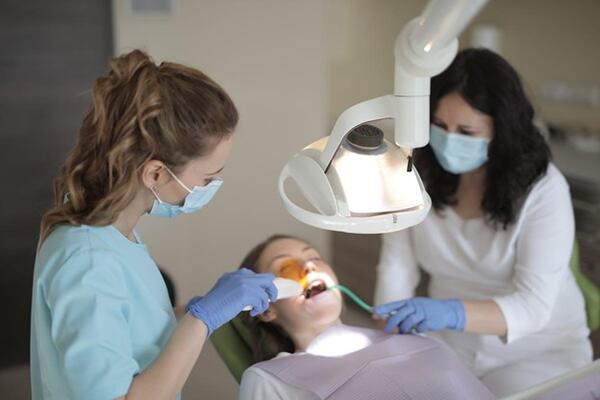
A comprehensive dental examination follows a systematic approach designed to detect problems early, when they're most treatable. The process typically begins before you even sit in the dental chair, with a review of your medical history and any changes in your health since your last visit. This isn't bureaucratic paperwork—new medications, health conditions, or lifestyle changes can significantly impact your oral health risk profile.
The visual inspection comes next, where your dentist examines each tooth surface, looking for signs of decay, wear patterns, or structural damage. They're also assessing your gums for color, texture, and signs of inflammation that might indicate developing periodontal disease. Modern dental practices often use intraoral cameras during this phase, allowing you to see exactly what your dentist observes and understand any concerns in real-time.
Periodontal probing measures the depth of spaces between your teeth and gums. Healthy gum pockets typically measure 1-3 millimeters deep. Measurements of 4 millimeters or deeper suggest gum disease progression, while pockets exceeding 6 millimeters often indicate advanced periodontal disease requiring specialized treatment. This measurement process, while sometimes uncomfortable, provides crucial data about your gum health that isn't visible to the naked eye.
Digital X-rays reveal what's happening beneath the surface—decay between teeth, bone loss around roots, impacted teeth, cysts, or other abnormalities invisible during visual examination. Today's digital radiography uses 80-90% less radiation than traditional film X-rays while providing immediate, high-resolution images that can be enhanced for better diagnostic accuracy.
The examination concludes with professional cleaning, where a dental hygienist removes plaque and tartar buildup that regular brushing and flossing can't eliminate. They use specialized instruments to access areas below the gum line and between teeth, followed by polishing that removes surface stains and creates smooth tooth surfaces that resist future plaque accumulation.
How Regular Checkups Prevent Advanced Dental Conditions
The true value of routine dental checkups lies in their ability to interrupt disease progression before irreversible damage occurs. Early-stage tooth decay appears as white spots or minor surface changes that can be remineralized through fluoride treatment and improved home care. Left undetected, these same areas progress to cavities requiring fillings, crowns, or eventually root canal treatment.
Similarly, gingivitis—the earliest stage of gum disease—causes mild inflammation and bleeding during brushing. At this stage, the condition is completely reversible through professional cleaning and improved oral hygiene. Without intervention, gingivitis progresses to periodontitis, where bacterial toxins and immune responses begin destroying the tissues and bone supporting your teeth. This damage is permanent and can only be managed, not reversed.
Professional plaque and tartar removal during checkups eliminates bacterial colonies that home care cannot reach. Tartar (calcified plaque) bonds to teeth so strongly that it requires professional instruments for removal. These hardened deposits provide rough surfaces where new bacteria readily attach, accelerating disease progression and creating areas impossible to clean with regular brushing and flossing.
Regular checkups also enable early detection of oral cancer, which has a five-year survival rate exceeding 90% when caught early but drops dramatically when diagnosis is delayed. Your dental team examines not just your teeth and gums, but also your tongue, cheeks, throat, and neck for any unusual changes that warrant further evaluation.
How Dental Plaque Develops and Its Impact on Teeth and Gums
Plaque formation begins within minutes after cleaning your teeth, as bacteria naturally present in your mouth adhere to tooth surfaces and multiply. Within 24-72 hours, this bacterial film matures into a complex ecosystem containing hundreds of bacterial species that produce acids and toxins as they metabolize sugars and starches from your diet.
The process starts innocuously enough. Streptococcus mutans and other early colonizing bacteria attach to the pellicle—a thin protein film that forms on clean teeth. These initial colonizers create conditions that attract additional bacterial species, each contributing different capabilities to the growing biofilm. Some bacteria excel at metabolizing sugars into lactic acid, while others specialize in breaking down proteins or producing toxins that damage gum tissue.
As plaque matures, acid production intensifies, creating an environment where tooth enamel begins to demineralize. Enamel demineralization occurs when the pH around your teeth drops below 5.5, causing calcium and phosphate to leach from tooth structure. Initially, this process is reversible if acid levels neutralize and remineralization occurs. However, repeated acid attacks eventually create permanent structural damage—what we recognize as tooth decay.
The bacterial toxins in mature plaque trigger inflammatory responses in your gums, causing the redness, swelling, and bleeding characteristic of gingivitis. Lipopolysaccharides and other bacterial byproducts signal your immune system to increase blood flow to the affected area, creating the puffy, bleeding gums that many people experience during brushing or flossing.
Fluoride interrupts this destructive process by promoting remineralization and making tooth enamel more resistant to acid attacks. When fluoride is present during remineralization, it incorporates into tooth structure as fluorapatite—a compound that's significantly more resistant to acid dissolution than natural tooth enamel. This is why fluoride toothpaste and professional fluoride treatments remain cornerstone preventive strategies.
Dental sealants provide another layer of protection by creating physical barriers over the deep grooves and pits in back teeth where bacteria commonly accumulate. These thin plastic coatings prevent bacteria and food particles from settling in areas that are difficult to clean effectively, reducing cavity risk by up to 80% in treated teeth.
Why Dental Health Is Especially Important for Children and Seniors
Childhood Dental Health and Development
Establishing strong dental health during childhood creates the foundation for lifelong oral health success. Primary teeth serve crucial functions beyond simple placeholders for permanent teeth—they guide proper jaw development, enable normal speech development, and allow children to eat the varied diet necessary for healthy growth. Early tooth loss due to decay can create spacing problems that require orthodontic intervention and may affect facial development.
The window for dental sealant application is particularly critical during childhood. The first permanent molars typically emerge around age six, followed by second molars around age twelve. These teeth have deep grooves and pits that trap food particles and bacteria, making them highly susceptible to decay. Research shows that children without sealants are three times more likely to develop cavities in their back teeth compared to children who receive sealant protection.
Fluoride exposure during tooth development has lifelong benefits, but timing matters enormously. Systemic fluoride from drinking water or supplements during tooth formation creates fluoride-enriched enamel that's more resistant to decay throughout life. However, excessive fluoride during this critical period can cause dental fluorosis—permanent discoloration of tooth enamel. This is why pediatric dentists carefully monitor fluoride exposure from all sources.
Childhood also represents the optimal time for developing effective oral hygiene habits. Motor skills develop gradually, so most children need parental assistance with brushing until age eight or nine. The goal isn't just clean teeth, but establishing routines and understanding that become automatic behaviors. Children who learn proper technique and develop consistent habits show dramatically better oral health outcomes throughout adolescence and into adulthood.
Dental Care Considerations for Seniors
Aging brings unique dental health challenges that require modified approaches to prevention and treatment. Medication effects become increasingly problematic as seniors often take multiple prescriptions that reduce saliva production. Dry mouth eliminates saliva's protective effects—neutralizing acids, washing away food particles, and providing natural antibacterial action. Without adequate saliva, cavity risk increases dramatically, particularly at the gum line where recession exposes tooth roots.
Root surface decay becomes a primary concern as gums naturally recede with age, exposing root surfaces that are softer and more vulnerable to decay than tooth crowns. Root caries can progress rapidly and may be difficult to restore effectively, potentially leading to tooth loss that affects nutrition and quality of life.
Periodontal disease often progresses more aggressively in older adults due to cumulative exposure and age-related changes in immune function. Bone loss from advanced periodontal disease can make tooth replacement with dental implants more complex, while remaining natural teeth may become mobile and uncomfortable for chewing.
The connection between oral health and nutrition becomes particularly critical for seniors. Tooth loss limits food choices, often leading to softer, more processed diets that may be higher in carbohydrates and lower in essential nutrients. Poor nutrition then compromises immune function and tissue healing, creating a cycle where dental problems worsen overall health while poor health makes dental problems harder to treat.
Regular dental care for seniors often requires coordination with medical providers, modified treatment approaches for patients with mobility limitations, and careful consideration of how dental treatments might interact with existing health conditions and medications. Professional monitoring becomes even more critical when self-care becomes challenging due to arthritis, vision problems, or cognitive changes.
How Lifestyle and External Factors Affect Dental Health
Dietary choices influence dental health through multiple pathways beyond simple sugar consumption. Frequent snacking creates repeated acid attacks on teeth, while the timing and duration of sugar exposure matter more than total amount consumed. Sipping sugary or acidic beverages throughout the day bathes teeth in decay-promoting conditions for hours, while consuming the same amount during meals allows saliva to neutralize acids between eating episodes.
Acidic foods and beverages—including citrus fruits, tomatoes, wine, and carbonated drinks—can directly erode tooth enamel through chemical dissolution rather than bacterial acid production. This erosion creates rough surfaces that trap bacteria and stain more easily. Athletes who consume sports drinks during prolonged exercise face particularly high erosion risk due to decreased saliva production during physical activity combined with frequent acid exposure.
Smoking and tobacco use dramatically accelerate periodontal disease progression by reducing blood flow to gums, impairing immune responses, and creating environmental conditions that favor harmful bacteria. Smokers develop deeper gum pockets, lose more bone support around teeth, and respond more poorly to periodontal treatment compared to non-smokers. The risk extends beyond traditional cigarettes—vaping products often contain sugars and acids that contribute to decay and gum irritation.
Stress affects oral health through both behavioral and physiological mechanisms. People under chronic stress often neglect oral hygiene routines, increase consumption of comfort foods high in sugar, and may develop habits like teeth grinding or jaw clenching. Physiologically, stress hormones reduce immune function and slow tissue healing, making it harder to fight off bacterial infections in the mouth.
Socioeconomic factors create significant disparities in dental health outcomes. Limited access to preventive care means problems go undetected until they require emergency treatment. Processed, shelf-stable foods that dominate food-insecure diets tend to be higher in sugars and starches while lacking the nutrients necessary for healthy tooth development and gum tissue maintenance. Work schedules that don't accommodate dental appointments, lack of dental insurance, and geographic barriers to care all contribute to postponed treatment that allows minor problems to become major health issues.
These external factors often interact and compound each other's effects. A person working multiple jobs to make ends meet may rely on convenience foods, skip preventive dental visits due to cost and time constraints, and experience chronic stress that further compromises their oral health—creating a cycle where addressing dental problems becomes increasingly difficult and expensive.
Advances in Dental Technology and Modern Practices
Modern dentistry has evolved dramatically from the reactive, treatment-focused approach of previous decades to embrace prevention, early intervention, and minimally invasive techniques. Digital imaging technology now provides immediate, high-resolution views of dental structures with minimal radiation exposure, enabling dentists to detect problems earlier and track changes over time with unprecedented precision.
Laser therapy has revolutionized periodontal treatment by enabling targeted removal of diseased tissue while preserving healthy structures. Dental lasers can eliminate bacteria deep within gum pockets, promote tissue healing, and reduce the need for traditional surgical approaches that require longer healing times. Some laser systems can even detect tooth decay earlier than traditional examination methods by measuring changes in tooth fluorescence.
Biomarker testing represents an emerging frontier in personalized dental care. Saliva tests can now identify specific bacterial strains associated with periodontal disease, allowing treatment protocols tailored to individual bacterial profiles. Some tests measure inflammatory markers that indicate disease activity before clinical symptoms appear, enabling intervention during the earliest stages of gum disease.
Preventive technologies continue advancing beyond traditional fluoride treatments. Silver diamine fluoride can arrest active decay in children and adults who cannot tolerate traditional restorative procedures, while remineralization therapies using calcium and phosphate compounds can reverse early stages of tooth decay without drilling or filling.
The integration of artificial intelligence in dental diagnosis is beginning to enhance human expertise rather than replace it. AI systems can analyze radiographs and clinical photos to identify potential problems, helping ensure that subtle changes don't go unnoticed during busy clinical schedules. These systems continuously learn from thousands of cases, potentially catching patterns that might be missed during routine examinations.
Teledentistry has expanded access to dental expertise, particularly in underserved areas. Remote consultations can guide emergency care, provide specialist opinions on complex cases, and deliver oral health education to communities lacking local dental providers. While virtual visits cannot replace hands-on examination and treatment, they've proven valuable for triage, follow-up care, and preventive education.
These technological advances share a common theme: earlier detection, less invasive treatment, and better outcomes through prevention. As dental care becomes more sophisticated, the emphasis on routine checkups and preventive care becomes even more valuable—ensuring problems are caught when modern techniques can address them most effectively and conservatively.
The evidence is clear: dental health extends far beyond your mouth, influencing cardiovascular health, diabetes management, respiratory function, and overall quality of life. Regular dental checkups serve as your first line of defense, catching problems when they're most treatable and preventing minor issues from becoming major health complications. As our understanding of oral-systemic health connections deepens and dental technology continues advancing, the value of preventive care only increases. The question isn't whether you can afford regular dental checkups—it's whether you can afford to skip them.