
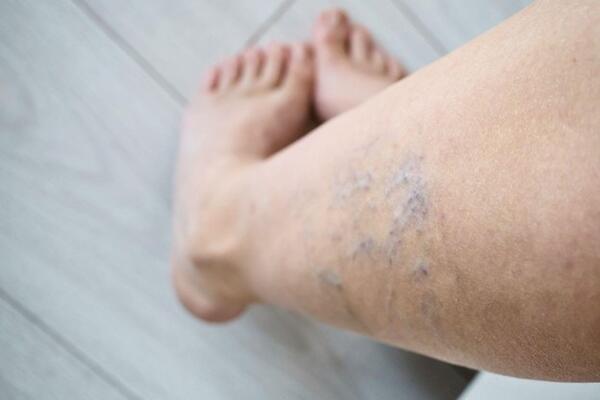
What Really Happens If You Don't Treat a Diseased Vein?
An ultrasound finds it. You went in for something unrelated. The technician paused on one spot longer than the others. Suddenly there's a conversation you weren't expecting, about valve incompetence, about venous reflux, about a condition you've spent your entire life not thinking about. The doctor explains. You ask decent questions. You leave. You don't call to schedule the treatment.
This is not unusual. Venous disease occupies an uncomfortable middle ground where symptoms exist but don't feel urgent, where the gap between "noticeable" and "unbearable" stretches across years. Most people know that endovenous ablation and similar treatments exist. Fewer understand what happens to the body during all the years they put off using them. But first: what does a diseased vein actually do to your body if you just leave it alone?
Learning to Live Around It
Leg heaviness shows up in the afternoon. Ankles puff a little after long days. There's an ache in the calves you've started associating with certain activities, certain shoes, certain hours of standing.
People adapt without much deliberate thought. They stop taking the stairs as often. They keep their feet up while watching television. They've noticed that one pair of shoes is more comfortable than another and quietly retired the ones that aren't.
None of this feels like giving ground to a disease. It feels like ordinary adjustment. The valves keep failing beneath all of it. Pressure keeps building. Tissue keeps responding to forces it wasn't designed for. Nobody is tracking the direction.
The Moment the Adjustment Stops Working
It doesn't arrive dramatically. One week, the swelling that used to be gone by morning is still there after lunch. The leg heaviness that used to be an evening problem becomes an afternoon problem, then a mid-morning problem. Varicose veins that weren't painful start aching. The elevation that used to help doesn't help the same.
People book appointments at this point. They sit across from clinicians and describe symptoms that have been present for years, sometimes significantly longer. The conversation about treatment happens, finally. But the disease has spent those intervening years doing things to the surrounding tissue that treating the vein alone won't completely reverse.
What the Vein Problem Does to Everything Around It
Most people understand venous insufficiency as a vein problem. For a while, that framing is accurate. Then the veins make it everyone else's problem too.
Sustained venous hypertension forces fluid and cells through vessel walls at pressures those walls were never built for. Red blood cells escape into surrounding tissue, break down, and leave behind hemosiderin, which is iron, deposited directly into the dermis. That brownish discoloration that develops around the ankles of people with longstanding venous disease is iron sitting in their skin. Not a bruise. Not a tan. Iron.
The connective tissue underneath responds to years of this by reorganizing. Lipodermatosclerosis. The fat and connective tissue harden, thicken, and take on a brawny, indurated character unlike anything normal skin produces. Patients describe the lower leg as feeling constricted, bound, like something external is squeezing it. There's nothing external. The tissue itself has changed.
What changes about skin in this condition:
- Minor cuts and scrapes that would heal in three days take three weeks
- Persistent low-grade inflammation produces cycles of redness, weeping, and crusting
- The skin loses the structural resilience that ordinary daily friction demands
- Topical treatments for the resulting dermatitis work poorly because the problem isn't topical
- The threshold for ulceration drops progressively closer to normal daily demands
The Wound Phase
Venous ulcers are what happens when all of the preceding runs to completion. Open wounds near the medial ankle, in skin that can no longer repair itself faster than daily demands degrade it. Painful. Slow. Prone to infection.
You can dress the wound, clean the wound, and apply the best available products to it. If the vein is still failing, the tissue surrounding that wound is still being saturated with venous backpressure, still accumulating hemosiderin, still hardening. The wound closes temporarily and reopens. This cycle can continue for a year. Sometimes longer.
Patients who arrive at this stage after years of deferral consistently describe one specific surprise. Nobody communicated clearly that this was where the road went.
Situations that warrant evaluation rather than continued observation:
- Edema persisting into mornings after a full night of rest
- New discoloration, texture change, or thickening around the ankle
- Any wound on the lower leg healing slower than expected
- Sudden asymmetric swelling or pain in one leg without obvious explanation
- A surface vein that has become palpably hard and tender along its length
What Timing Actually Changes
Here's what people don't fully grasp until they're sitting in the treatment consultation. The same procedure, done five years earlier, would have produced a cleaner result with fewer complications and a shorter recovery. Not because the procedure changes. Because the target changes.
Early treatment finds tissue that hasn't been altered yet. Treat the vein, normalize the pressure, and the body returns to something close to baseline. Simple enough.
Late treatment finds tissue that spent years adapting to abnormal conditions. The vein gets treated. The hemosiderin doesn't disappear. The fibrotic change in the lower leg softens partially. The skin that took years to become fragile takes years to partially recover, and it doesn't always get there. The treatment works. The expectations attached to it are different.
Worth pursuing at any stage. Worth pursuing much earlier than most people do.
Conclusion
Venous disease earns its reputation as something people tolerate by being genuinely tolerable for a long time. The accommodation phase feels sustainable. Nothing about it demands urgency. Then one morning it does. And by then the tissue has spent years becoming something different from what it was, and treating the disease that caused it doesn't fully undo what it produced.
The body keeps a long record of what the veins were doing all those years. Whether anything is done about it or not.
FAQs
Can venous disease stop progressing without treatment?
Rarely and briefly. The valves don't repair themselves. Symptoms might plateau for a while, but the tissue changes keep accumulating underneath. Lifestyle helps slow things down. It doesn't change where they're heading.
How long before it causes serious complications?
Nobody can tell you that with certainty because it varies so much. Some people develop skin changes in three years. Others are at earlier stages fifteen years in. What doesn't vary is that the longer the disease runs, the more secondary damage exists when treatment finally happens.
Does treatment still help at late stages?
Yes. Absolutely. But the conversations are different. Early stage, treatment produces clean outcomes. Late stage, it produces real improvement alongside realistic acknowledgment that some of what accumulated over the years isn't coming back entirely.
What do I do if a varicose vein starts bleeding?
Press firmly and directly. Bleeding from a varicose vein can be surprisingly heavy given the venous pressure behind it. Once it's controlled, that event is itself an indication that treatment is overdue.
Does living with untreated venous disease take a real toll?
Gradually, yes. The toll accumulates in small installments, which is exactly why it doesn't feel alarming until it does. Most people who finally treat it describe noticing improvements they hadn't expected, because they'd adapted so thoroughly to how things had been.