
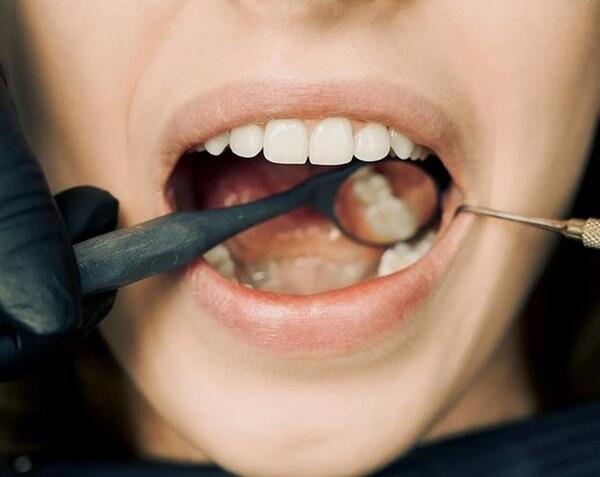
What To Expect After Wisdom Teeth Removal
The American Dental Association reports that approximately 10 million wisdom teeth are extracted annually in the United States, making it one of the most common oral surgery procedures. Yet despite its frequency, the recovery process remains one of the most anxiety-inducing aspects for patients — largely because many people enter surgery with unclear expectations about what the healing journey actually entails. As oral surgery techniques continue advancing and pain management protocols become more sophisticated, the gap between patient expectations and reality has narrowed considerably. For anyone facing this procedure, understanding the specific phases of recovery, the tools available for managing discomfort, and the warning signs that require attention can transform what feels like an overwhelming experience into a manageable healing process with predictable milestones.
What Physical Symptoms Are Normal After Surgery
The immediate aftermath of wisdom teeth removal involves a predictable cascade of symptoms that follow your body's natural inflammatory response. Within the first few hours, you'll likely experience moderate bleeding from the extraction sites — this isn't cause for alarm, but rather evidence that your body is beginning the clotting process essential for healing. The bleeding typically appears more dramatic than it actually is because saliva mixes with the blood, creating a pink-tinged appearance that can seem concerning.
Pain levels peak within the first 24 to 48 hours, then gradually subside as your tissues begin repairing themselves. Most patients describe the sensation as a deep, throbbing ache rather than sharp pain, particularly if the extractions were straightforward. Swelling follows a different timeline — it often doesn't reach its maximum until the second or third day post-surgery, which catches many people off guard who expect immediate improvement.
How Symptoms Change During Recovery
The first three days represent the acute phase, where your body marshals its inflammatory response to protect the extraction sites and begin tissue repair. During this period, you might notice that your jaw feels stiff or that opening your mouth wide feels uncomfortable — this limitation typically improves as the swelling recedes. Some patients experience mild bruising along the jawline or even down into the neck area, particularly if the extractions were complex or required bone removal.
Days four through seven mark the transition phase, where acute symptoms begin resolving but haven't fully disappeared. You'll likely notice that swelling starts decreasing, though it may fluctuate throughout the day based on your activity level and how well you're managing inflammation. Pain should become more manageable with over-the-counter medications rather than requiring prescription pain relievers.
Average Recovery Time and Healing Milestones
Most patients can return to normal daily activities within a week, though complete healing of the extraction sites takes several weeks. The soft tissue typically closes over the extraction sites within 10 to 14 days, while the underlying bone continues remodeling for several months. You'll know you're progressing normally when you can comfortably chew on the affected side without pain, usually around the two-week mark.
The key milestone most patients focus on is when they can eat normally again — this usually happens gradually between days seven and ten, starting with softer foods and progressing to your regular diet. Complete jaw mobility typically returns within two weeks, though some patients notice minor stiffness that persists for up to a month, particularly after complex extractions.
How Can You Manage Pain and Swelling Effectively
Effective pain management after wisdom teeth removal relies on staying ahead of discomfort rather than trying to catch up once it becomes severe. The most successful approach combines pharmaceutical intervention with non-drug techniques, creating multiple pathways for relief that work synergistically.
Best Practices for Pain Control
The foundation of pain management typically involves alternating between ibuprofen and acetaminophen, a strategy that targets inflammation while providing broad-spectrum pain relief. Ibuprofen addresses the inflammatory component of post-surgical pain, while acetaminophen works through different pathways in your nervous system. Taking these medications on a schedule — rather than waiting for pain to return — maintains consistent blood levels and prevents breakthrough discomfort.
For the first 48 hours, many oral surgeons recommend taking 600-800mg of ibuprofen every six hours, alternating with 650mg of acetaminophen every four hours. This creates an overlapping schedule where you're taking some form of pain relief every two to three hours without exceeding safe dosages of either medication. If prescription pain medication was provided, it typically replaces the acetaminophen in this rotation rather than being added to it.
Natural pain management techniques can significantly enhance pharmaceutical approaches. Keeping your head elevated while resting reduces blood flow to the surgical sites, which minimizes both pain and swelling. Many patients find that sleeping with an extra pillow for the first few nights makes a noticeable difference in their morning comfort levels.
Techniques to Reduce Swelling
Ice application during the first 24-48 hours represents your most powerful tool for controlling swelling, but timing and technique matter significantly. Apply ice packs for 20 minutes on, then 20 minutes off — continuous icing can actually impair circulation and slow healing. Many patients find that frozen peas work better than traditional ice packs because they conform to the jaw's contours more effectively.
After the initial 48-hour period, heat application becomes more beneficial than continued icing. Warm, moist heat encourages blood flow to the area, which helps your body clear inflammatory byproducts and deliver healing nutrients to the tissues. A warm washcloth applied for 15-20 minutes several times daily can noticeably improve comfort and reduce residual swelling.
What Oral Hygiene and Diet Support Faster Healing
Maintaining oral cleanliness after wisdom teeth removal requires a delicate balance — you need to keep the extraction sites clean without disrupting the blood clots that form the foundation of healing. For the first 24 hours, avoid rinsing entirely to allow those initial clots to stabilize. After that critical period, gentle saltwater rinses become your primary cleaning tool for the extraction sites.
The saltwater solution should be mild — about half a teaspoon of salt in a cup of warm water. Rather than swishing vigorously, which could dislodge clots, gently tilt your head to allow the solution to flow over the extraction sites. This gentle irrigation removes food particles and bacteria without the mechanical disruption that traditional brushing might cause in those areas.
Your regular oral hygiene routine can continue for the rest of your mouth, with some modifications. Brush your teeth carefully, avoiding the extraction sites for the first few days. An antimicrobial mouthwash can help control bacteria in areas you can't easily clean, but choose alcohol-free formulations to avoid irritating the surgical sites. Many patients find that working with an experienced oral surgeon in Staten Island, NY helps them develop a personalized aftercare routine that balances cleanliness with healing protection.
Diet choices during recovery significantly impact both comfort and healing speed. Cold, soft foods dominate the first few days — think smoothies, yogurt, and ice cream. But nutrition matters too: protein supports tissue repair, while vitamin C aids collagen formation. Incorporating protein-rich soft foods like scrambled eggs, smooth nut butters, and protein smoothies helps your body rebuild the tissues around the extraction sites.
Avoid straws, carbonated beverages, and anything requiring significant chewing force for at least a week. The suction from straws can dislodge blood clots, leading to painful dry socket complications. Hot foods and beverages should also be avoided initially, as heat increases blood flow and can promote bleeding from the extraction sites.
Which Symptoms Indicate Complications and Require Care
Distinguishing between normal post-surgical symptoms and complications requiring intervention can prevent minor issues from becoming serious problems. Dry socket, the most common complication, develops when the blood clot dissolving or becoming dislodged exposes the underlying bone and nerves. This typically occurs 3-5 days after extraction and creates severe, throbbing pain that seems disproportionate to what you'd expect at that point in recovery.
The pain from dry socket often radiates to your ear and can't be controlled with standard pain medications. You might also notice a bad taste or odor coming from the extraction site. Unlike normal post-surgical discomfort that gradually improves, dry socket pain intensifies and may wake you from sleep.
Signs of infection require immediate attention and include increasing pain several days after surgery, fever above 101°F, persistent bad taste despite good oral hygiene, and swelling that worsens rather than improves after the third day. Pus or unusual discharge from the extraction sites also indicates bacterial infection requiring antibiotic treatment.
Excessive bleeding — defined as bright red blood that doesn't respond to gentle pressure and gauze application — warrants urgent care. Some oozing for the first 24-48 hours is normal, but active bleeding that soaks through gauze every 15-20 minutes despite pressure indicates a problem with clot formation.
Nerve-related complications, while rare, can cause persistent numbness or tingling in the lips, tongue, or chin that doesn't resolve within a few days. This suggests potential nerve irritation during extraction and requires professional evaluation to determine whether the symptoms will resolve spontaneously or need intervention.
Why Rest and Lifestyle Choices Affect Recovery
The relationship between physical activity and healing after oral surgery follows a predictable pattern that many patients underestimate. Your body directs significant energy toward tissue repair during the first week of recovery — energy that gets diverted when you return to normal activity levels too quickly. Patients who rest adequately during the initial 48-72 hours consistently report better pain control and less swelling than those who try to maintain their regular schedules.
Avoid strenuous exercise, heavy lifting, and activities that might jar your jaw for at least a week. These activities increase blood pressure and heart rate, which can promote bleeding from the extraction sites or cause established clots to break down. Even bending over repeatedly — such as when doing laundry or cleaning — can create enough pressure changes to affect healing.
Sleep quality directly impacts your body's ability to repair tissue and manage inflammation. The elevation we discussed for swelling control also improves sleep comfort, but many patients benefit from additional modifications to their sleep environment. Room temperature slightly cooler than normal can reduce overnight swelling, while a humidifier prevents mouth breathing from drying out the extraction sites.
Smoking represents the single most significant lifestyle factor that impairs healing after wisdom teeth removal. The chemicals in tobacco smoke interfere with blood flow to the healing tissues, while the physical act of smoking creates negative pressure in your mouth that can dislodge blood clots. Even patients who smoke regularly should abstain completely for at least 72 hours post-surgery, though a week or longer produces better healing outcomes.
Recovery from wisdom teeth removal follows predictable patterns, but individual healing rates vary based on factors like age, overall health, and adherence to post-operative guidelines. Rather than focusing solely on when you can return to normal activities, pay attention to how your body responds to gradual increases in activity and diet complexity — these signals provide more reliable guidance than arbitrary timelines about when your unique healing process will be complete.