
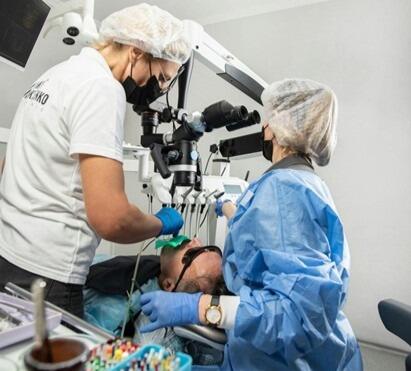
What to Expect From Dental Implants in Pittsburgh
If you’re considering dental implants in Pittsburgh, you’ll undergo a thorough process starting with a detailed oral assessment. This includes imaging to evaluate bone and gum health, essential for implant success. You’ll also receive a tailored treatment plan designed to fit your specific needs. Understanding what happens before, during, and after surgery can help set realistic expectations. But what exactly does the surgical procedure involve, and how is recovery managed in this region?
Initial Consultation and Evaluation
Before proceeding with dental implants in Pittsburgh, you’ll undergo an initial consultation and evaluation to determine your suitability for the procedure. During this initial assessment, a qualified dental implant specialist in Pittsburgh will review your medical history, discuss any existing oral health concerns, and evaluate factors such as bone density and gum condition. This step is critical to establish whether your oral structures can support implants effectively. Additionally, your dentist will clarify treatment expectations, outlining the process, potential outcomes, and any risks involved. This guarantees you have a clear, realistic understanding of the procedure. By addressing these key factors upfront, the consultation sets a foundation for a tailored treatment plan that aligns with your specific dental needs and health status, enhancing the likelihood of successful implant integration.
Comprehensive Dental Examination
Following your initial consultation, a thorough dental examination provides a detailed analysis of your oral health to guarantee implants will integrate successfully. This exam evaluates bone density, gum condition, and the presence of any infections that could compromise implant stability. You’ll undergo diagnostic imaging, such as X-rays or CT scans, to assess jawbone structure and detect potential complications. The examination also includes a detailed assessment of your oral hygiene practices, as maintaining ideal dental health is critical for implant success. Your dentist will identify any existing dental issues, including cavities or periodontal disease, that require treatment prior to implant placement. This all-encompassing approach guarantees your mouth is in the best possible condition, minimizing risks and enhancing the prognosis for long-term implant integration and function.
Customized Treatment Planning
You’ll undergo a personalized assessment process to evaluate your oral health and bone structure accurately. Based on this data, a tailored implant design will be developed to meet your specific anatomical and functional needs. Additionally, a coordinated care approach guarantees all specialists collaborate effectively for the best treatment outcomes.
Personalized Assessment Process
Although every patient seeking dental implants has unique needs, a personalized assessment process guarantees your treatment plan is tailored precisely to your oral health and anatomical considerations. During this phase, your dentist evaluates bone density, gum health, and jaw structure using advanced imaging technologies. This detailed analysis helps align the procedure with your patient expectations, ensuring realistic outcomes and satisfaction. Additionally, your specific treatment timeline is established, factoring in the healing phases and any preparatory procedures such as bone grafting. This individualized evaluation minimizes risks and optimizes implant success by addressing factors like occlusion and adjacent teeth condition. By understanding your unique oral environment and lifestyle demands, the personalized assessment process forms the critical foundation for a predictable, effective dental implant treatment in Pittsburgh.
Tailored Implant Design
Since every patient’s oral anatomy and functional needs differ, tailored implant design guarantees your treatment plan is precisely customized to fit those specific requirements. Your dental specialist will evaluate bone density, jaw structure, and occlusal forces to develop a custom design that optimizes implant placement and longevity. Selecting appropriate implant materials—such as titanium or zirconia—is critical, as these biocompatible substances influence osseointegration and durability. Advanced imaging and CAD/CAM technology assist in fabricating implants that conform exactly to your anatomy, minimizing surgical risks and enhancing functional outcomes. This individualized approach guarantees your implant integrates seamlessly with surrounding tissues, providing stability and comfort. By addressing your unique anatomical and functional profile, tailored implant design maximizes the success and lifespan of your dental implant treatment.
Coordinated Care Approach
Building on a tailored implant design, a coordinated care approach guarantees that every aspect of your treatment is meticulously planned and executed by a team of specialists. This approach relies heavily on coordinated communication and interdisciplinary teamwork to optimize outcomes and minimize risks. You’ll benefit from a seamless integration of expertise, affirming each phase—from diagnostics to surgery and restoration—is synchronized.
Key elements include: - Collaborative treatment planning among oral surgeons, prosthodontists, and periodontists - Real-time information sharing to adjust procedures as needed - Thorough evaluation of your oral health status and medical history - Customized scheduling to align surgical and restorative appointments efficiently
This method guarantees precision, reduces complications, and enhances the longevity of your dental implants.
Preparing for the Implant Procedure
Before undergoing the implant procedure, you’ll need to complete a series of preparatory steps designed to guarantee ideal outcomes. Pre surgery preparations typically include thorough imaging, such as 3D cone-beam CT scans, to assess bone density and anatomy. Your dental team will review your medical history and may recommend blood tests to identify any contraindications. You’ll be advised to follow specific guidelines, including fasting if sedation is planned. Patient anxiety management is equally important; your provider might offer sedatives or relaxation techniques to ensure comfort. Clear communication about the procedure, risks, and post-operative care will help reduce apprehension. Adhering strictly to these preparatory protocols optimizes surgical precision, minimizes complications, and promotes effective osseointegration of the implant.
The Dental Implant Surgery Process
When you arrive for dental implant surgery, your oral surgeon will first ascertain that your surgical site is properly anesthetized to prevent discomfort. Surgery preparation involves a thorough review of your medical history and imaging to determine the best implant techniques. The procedure generally includes these steps:
- Incision and flap elevation to expose the jawbone
- Precise drilling guided by surgical templates to create the implant site
- Insertion of the titanium implant fixture into the bone
- Placement of a healing cap or cover screw to protect the implant
Throughout the process, your surgeon employs advanced implant techniques tailored to your anatomy, ensuring primary stability. This precise approach minimizes trauma and sets the foundation for successful osseointegration. Your cooperation during surgery preparation is essential for an efficient, safe procedure.
Healing and Osseointegration Phase
Although the implant placement marks a significant milestone, the healing and osseointegration phase is essential for long-term success. During this period, your jawbone fuses with the titanium implant in a process called osseointegration. This biological integration stabilizes the implant, enabling it to function like a natural tooth root. The osseointegration timeline typically spans three to six months, though individual healing rates vary based on factors like bone quality and overall health. Throughout the healing process, maintaining oral hygiene and avoiding undue pressure on the implant site are imperative to prevent complications. Regular follow-ups with your Pittsburgh dental specialist monitor bone integration and soft tissue healing. Understanding this phase helps set realistic expectations and supports ideal implant stability before proceeding to the next restorative steps.
Placement of the Abutment and Crown
Once osseointegration has firmly anchored the implant in your jawbone, the next step involves attaching the abutment, which serves as the connector between the implant and the dental crown. During abutment placement, your dentist will expose the implant, secure the abutment, and guarantee it fits accurately for ideal support. Afterward, crown fitting occurs, where a custom-made crown is precisely positioned on the abutment to restore function and aesthetics.
Key aspects of this phase include:
- Verifying abutment stability and alignment
- Taking impressions or digital scans for accurate crown fabrication
- Adjusting the crown for proper bite and occlusion
- Securing the crown permanently with dental cement or screws
This process guarantees your implant functions like a natural tooth with durable support.
Post-Procedure Care and Maintenance
Proper post-procedure care is critical to guarantee the longevity and success of your dental implant. Following your dentist’s post operative instructions precisely minimizes infection risk and promotes ideal healing. You’ll need to maintain rigorous dental hygiene, including gentle brushing around the implant site and using non-alcoholic antimicrobial mouthwash as recommended. Avoid applying excessive force or chewing hard foods until fully healed. Regular dental check-ups are essential to monitor implant integration and address any complications early. If you experience unusual pain, swelling, or mobility, contact your dental provider immediately. Adhering strictly to post operative instructions and maintaining consistent dental hygiene not only supports tissue health but also guarantees your implant remains stable and functional for years to come.
Benefits of Choosing Pittsburgh for Dental Implants
When selecting a location for your dental implant procedure, Pittsburgh offers distinct advantages due to its concentration of skilled specialists and advanced technology. You’ll benefit from a network of expert professionals who utilize state-of-the-art equipment to guarantee precise implant placement and ideal outcomes. Additionally, Pittsburgh provides affordable options without compromising quality, making it accessible for a wide range of patients.
Key benefits include: - Access to board-certified implantologists with extensive experience - Utilization of cutting-edge imaging and surgical technology - Competitive pricing structures and financing plans - Thorough aftercare services integrated within local clinics
Choosing Pittsburgh means you’re entrusting your dental implants to a community focused on precision, cost-effectiveness, and patient-centered care, assuring a reliable and efficient treatment journey.
Signs of a Successful Dental Implant Outcome
Although dental implants are designed to be durable and long-lasting, you’ll want to monitor specific indicators to confirm their success. Key success indicators include the absence of pain, swelling, or infection around the implant site. Stability is vital; the implant should feel firmly anchored without mobility. Healthy gum tissue surrounding the implant, with no signs of inflammation or recession, also signals a positive outcome. Radiographic evaluations showing successful osseointegration—where the implant fuses securely with the jawbone—are necessary for implant longevity. Additionally, maintaining proper oral hygiene and regular dental check-ups contribute to sustained implant health. By observing these clinical and radiographic markers, you can confidently assess the effectiveness of your dental implant and guarantee it functions at its best for many years.
Frequently Asked Questions
Are Dental Implants Covered by Insurance in Pittsburgh?
Insurance coverage for dental implants in Pittsburgh varies widely, often depending on the implant types and your specific plan. You’ll need to verify with your provider since many plans exclude implants or cover only partial costs.
How Much Do Dental Implants Typically Cost in Pittsburgh?
You’ll find the cost breakdown for dental implants in Pittsburgh typically ranges from $3,000 to $5,000 per implant, with regional variations influencing prices due to material, surgical fees, and specialist expertise.
Can Dental Implants Be Placed if I Have Gum Disease?
You can’t receive dental implants if you have active gum disease, as it affects implant eligibility. First, your gum disease must be treated and controlled to guarantee healthy bone and tissue support before implant placement.
What Materials Are Used for Dental Implants in Pittsburgh?
Dental implants primarily use titanium due to its biocompatibility, strength, and corrosion resistance. These implant materials integrate well with bone, ensuring durability and stability, which are key advantages you’ll benefit from during your dental implant procedure.
Are There Financing Options Available for Dental Implants?
Yes, you’ll find payment plans and credit options available for dental implants, allowing you to manage costs effectively. These financing solutions make the procedure more accessible while maintaining flexibility and convenience tailored to your financial situation.