
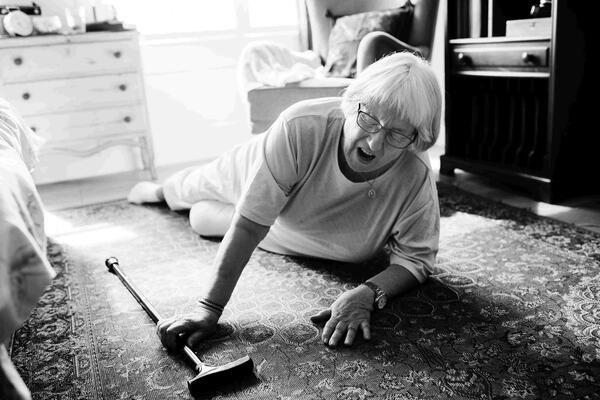
Where Do Slip and Falls Happen Most in Older Adults?
Slip and fall accidents are a leading cause of injury among older adults, often resulting in fractures, head injuries, and reduced independence. While the physical factors that contribute to falls are widely discussed, understanding where these incidents most commonly occur is just as important. Identifying high-risk environments allows families, caregivers, and facility managers to take preventive action and improve safety.
For seniors, falls rarely happen in unfamiliar places. In fact, many occur in everyday settings that feel comfortable and routine. Recognizing these patterns can help reduce risk and support safer living conditions.
Falls in the Home Environment
The majority of slip and fall accidents among older adults occur at home. While this setting may feel safe, it often contains hidden hazards that develop over time.
Bathrooms
Bathrooms are one of the most common locations for falls. Wet surfaces, smooth tile floors, and limited space increase the risk of slipping. Getting in and out of a bathtub or shower can be particularly challenging for seniors with reduced mobility.
Lack of grab bars or non-slip mats can make these movements even more dangerous. Even small amounts of water on the floor can create a hazard.
Kitchens
Kitchens present a different type of risk. Spills from cooking, uneven flooring, and reaching for items in cabinets can lead to loss of balance. Seniors who climb on stools or stretch beyond their comfort zone to access items may increase their fall risk.
Proper organization and keeping frequently used items within easy reach can help reduce these incidents.
Living Areas and Bedrooms
Cluttered living spaces, loose rugs, and poor lighting contribute to falls in common living areas. Bedrooms also pose risks, especially when seniors get up during the night. Limited visibility and rushing to the bathroom can lead to missteps.
Improving lighting and maintaining clear pathways can significantly reduce these risks.
Falls in Nursing Homes and Assisted Living Facilities
While these environments are designed to provide support, slip and fall accidents still occur frequently in care facilities.
Hallways and Common Areas
Hallways may appear safe, but they can become hazardous due to spills, worn flooring, or obstacles left in walking paths. In busy facilities, staff movement and equipment may also contribute to congestion.
Regular maintenance and clear walkways are essential to preventing falls in these shared spaces.
Resident Rooms
Falls often occur when residents attempt to move independently without assistance. Getting out of bed, transferring to a chair, or walking to the bathroom can lead to instability if proper support is not available.
Facilities must ensure that residents who require assistance receive timely help.
Bathrooms Within Facilities
Just like in private homes, bathrooms in care facilities are high-risk areas. Even with safety equipment, improper use or lack of supervision can lead to accidents.
Outdoor Environments and Public Spaces
Older adults are also at risk of falling in outdoor settings and public areas.
Sidewalks and Parking Lots
Uneven pavement, cracks, and poor maintenance make sidewalks and parking lots common locations for falls. Weather conditions such as rain, ice, or snow increase these risks.
Transitions between surfaces, such as stepping from a curb to a parking lot, can also cause balance issues.
Retail Stores and Shopping Centers
Public businesses have a responsibility to maintain safe conditions, but hazards still occur. Wet floors, cluttered aisles, and uneven flooring can create dangerous situations.
When injuries occur due to unsafe conditions, individuals may seek guidance from a Las Vegas slip and fall attorney to understand their rights and potential claims.
Restaurants and Public Facilities
Spills in restaurants, poorly maintained restrooms, and crowded environments can increase fall risk. Seniors navigating unfamiliar layouts may have difficulty identifying hazards quickly.
Hospitals and Healthcare Settings
Hospitals are another location where slip and falls frequently occur, particularly among patients who are already vulnerable.
Patient Rooms
Patients recovering from illness or surgery may attempt to move without assistance. Weakness, medication side effects, and unfamiliar surroundings increase the likelihood of falling.
Hallways and Treatment Areas
Medical equipment, cords, and busy environments can create obstacles. Even with staff present, high patient volumes may limit immediate supervision.
Healthcare providers must balance patient independence with safety protocols.
Transportation Areas
Transportation-related environments also present risks for older adults.
Public Transit
Boarding and exiting buses or trains can be challenging due to gaps, steps, or sudden movement. Crowded conditions may reduce stability.
Private Vehicles
Getting in and out of cars can be difficult, especially for seniors with limited mobility. Slippery surfaces around vehicles, such as wet pavement, can further increase risk.
Why These Locations Pose Greater Risk
Several factors make these environments more hazardous for seniors.
Reduced balance, slower reaction time, and decreased muscle strength can make it difficult to recover from a slip. Vision changes may prevent early detection of hazards. Cognitive impairment can affect judgment and awareness.
Environmental conditions, such as poor lighting or clutter, amplify these risks.
Legal Responsibility in Slip and Fall Cases
Property owners and facility operators have a duty to maintain safe environments. When they fail to address known hazards, they may be held accountable for resulting injuries.
In situations where negligence is suspected, consulting an expert slip and fall lawyer can help determine whether proper safety measures were in place and whether compensation may be available.
Understanding legal responsibilities encourages better maintenance practices and safer environments for seniors.
Reducing Risk Across Common Locations
Preventing slip and fall accidents requires attention to both personal safety and environmental conditions.
Key strategies include:
- Improving lighting in all living areas
- Installing grab bars in bathrooms
- Keeping walkways clear of obstacles
- Using non-slip mats and proper footwear
- Addressing uneven surfaces promptly
- Ensuring timely assistance in care facilities
Families and caregivers should regularly assess environments for potential hazards and make adjustments as needed.
Promoting Safer Daily Living for Seniors
Slip and falls often occur in familiar places, which makes awareness even more important. By identifying high-risk locations and understanding why they pose a danger, it becomes possible to reduce accidents and support safer living conditions.
Creating safer environments, encouraging consistent supervision when needed, and addressing hazards early can help seniors maintain independence while reducing the likelihood of injury.