
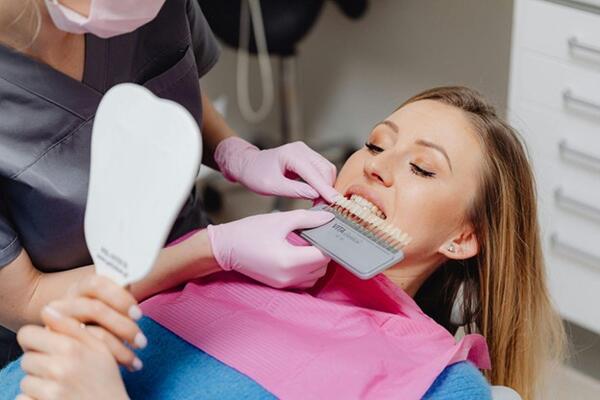
Who Is a Good Candidate for Dental Implants in Las Vegas
When considering dental implants in Las Vegas, you’ll want to assess your candidacy based on several key factors. Healthy gums and adequate bone density are vital for successful implantation. Your medical history, including habits like smoking or alcohol consumption, can greatly impact healing. Commitment to oral hygiene is essential. With these considerations in mind, determining your suitability for dental implants involves a thorough evaluation of your oral and overall health. Curious about your eligibility?
Understanding Dental Implants
Understanding dental implants is essential for anyone considering this option for tooth replacement. Implants provide a stable foundation by anchoring prosthetic teeth into the jawbone, mimicking natural tooth roots. You’ll encounter various dental implant types, such as endosteal and subperiosteal, each suited to different anatomical and clinical needs. Endosteal implants, the most common type, are surgically placed into the jawbone, while subperiosteal implants sit on the bone beneath the gum tissue, often used when bone height is insufficient.
Success of implant procedures depends on factors like bone quality, surgical technique, and proper maintenance. Dental implant success rates are remarkably high, exceeding 95% in many cases. This makes implants a reliable solution for restoring function and aesthetics, provided you meet the candidacy criteria.
Evaluating Oral Health Status
A thorough evaluation of your oral health status is critical before proceeding with dental implants to guarantee ideal outcomes. This oral assessment involves a detailed examination of your gum tissue, teeth, and overall oral cavity. Your dentist will conduct a health evaluation to identify any underlying issues such as periodontal disease, which might compromise implant success. They’ll check for signs of infection, inflammation, or other conditions that could affect healing post-implantation. Working with a provider specializing in advanced implant dentistry in Las Vegas ensures that each evaluation and procedure is conducted with the latest techniques and expertise. The oral assessment also includes reviewing your dental history to understand previous treatments and current oral hygiene practices. Any potential complications must be addressed to confirm you’re a suitable candidate for implants. Regularly scheduled evaluations will help maintain an excellent oral environment, promoting the longevity of your dental implants.
Importance of Adequate Bone Density
Many factors contribute to the success of dental implants, but adequate bone density is paramount. If you’re considering implants, it’s essential to evaluate your jaw’s bone density. This guarantees a stable foundation for the implant, promoting osseointegration. The process of measuring density often involves advanced imaging, such as cone beam CT scans, to provide precise assessments. If your jawbone lacks sufficient density, bone grafting techniques can be employed to enhance it. Various grafting methods, like autografts or allografts, are selected based on individual needs. These techniques facilitate the regeneration of bone, creating an ideal environment for implant placement. By addressing bone density issues, you increase the likelihood of successful dental implant integration and long-term oral health.
Age Considerations for Implants
While age isn’t a strict barrier to dental implants, it does present unique considerations that can impact the procedure’s success. Dental professionals often evaluate age requirements differently for younger and senior candidates. For adolescents, ensuring that jawbone growth is complete is vital before proceeding. This prevents future complications related to bone development. Senior candidates, on the other hand, can be excellent candidates for implants, but they must be assessed for systemic health conditions that could influence healing and osseointegration. For older patients, the presence of osteoporosis or other age-related conditions might necessitate specialized treatment planning. Thorough diagnostic imaging and medical evaluations are essential to determine if dental implants are a viable and safe option, tailored to each individual’s age-specific needs.
Assessing Gum Health
Gum health plays a vital role in the success of dental implants. Before considering implants, you’ll undergo a thorough periodontal assessment to evaluate the condition of your gums. Healthy gums are essential as they provide the necessary support and stability for the implant. If you have gum disease, it can compromise the integration of the implant with your jawbone. During the assessment, your dental professional will look for signs of inflammation, bleeding, and recession, which may indicate periodontal disease. Treating any gum disease is important before proceeding with implants. This guarantees that the surrounding tissues can adequately heal and bond with the implant. Ultimately, maintaining ideal gum health enhances the longevity and success of your dental implant treatment.
Impact of Lifestyle Habits
In addition to evaluating gum health, examining lifestyle habits is a crucial step in determining your suitability for dental implants. Smoking effects can considerably impair healing processes, complicating osseointegration, the critical phase where the implant fuses with your jawbone. Nicotine restricts blood flow, which is essential for recovery, increasing the risk of implant failure. Similarly, excessive alcohol consumption can hinder bone regeneration and interfere with the stability of the dental implant. Alcohol’s impact on liver function can also reduce your body’s ability to process medications necessary for recovery. It’s essential to assess these habits before proceeding. A commitment to modifying behaviors, like reducing smoking and limiting alcohol intake, can enhance your candidacy and improve the long-term success of dental implants.
Addressing Medical Conditions
Although dental implants are a viable solution for many, it’s crucial to address existing medical conditions that might affect treatment outcomes. Your detailed medical history plays a critical role in determining implant success. Chronic conditions such as diabetes, osteoporosis, or cardiovascular diseases can greatly influence healing and integration of the implant with your jawbone. It’s vital to have these conditions well-controlled prior to proceeding with implant placement. Additionally, medications prescribed for these chronic conditions, like anticoagulants or immunosuppressants, may impact healing processes or increase risk of infection. A thorough evaluation by your dental professional, in collaboration with your healthcare provider, guarantees personalized treatment planning. This integrative approach optimizes implant success while safeguarding your overall health. Prioritize clear communication with your dental team.
Commitment to Oral Hygiene
When considering dental implants, it’s essential to maintain a steadfast commitment to oral hygiene to guarantee successful outcomes. You’ll need to engage in meticulous dental care routines, ensuring the longevity of your implants. This involves brushing twice daily with a soft-bristled toothbrush, flossing to remove interdental plaque, and using an antiseptic mouthwash to reduce oral bacteria. Regular dental check-ups are imperative to monitor the health of your implants and surrounding tissues. You must also address any emerging dental issues promptly. A lack of diligence in oral hygiene can lead to peri-implantitis, a condition that jeopardizes implant stability. Consequently, understanding the important role of thorough oral care is fundamental for anyone seeking dental implants, ensuring both functional and aesthetic success.
Financial Considerations
Understanding the financial aspects of dental implants is essential for making an informed decision. You’ll need to take into account the cost of the procedure and how your insurance may cover part of it, along with exploring available payment options. It’s important to evaluate these factors to guarantee the investment aligns with your budget and treatment goals.
Cost of Dental Implants
The cost of dental implants can vary considerably, influenced by factors such as the number of implants required, the complexity of the procedure, and geographical location. It’s crucial to understand the financial implications before proceeding. Patients in Las Vegas seeking affordable implants should consider the following:
- Number of Implants Needed: Single implants cost less than multiple units.
- Procedure Complexity: Advanced techniques may increase costs.
- Geographical Influence: Urban centers might have higher fees.
- Financing Options: Many clinics provide payment plans to ease financial burdens.
Exploring these elements allows you to make an informed decision while balancing treatment quality and affordability. Discussing these considerations with your dental professional guarantees clarity and aligns your financial expectations with available solutions.
Insurance and Payment Options
Maneuvering the financial landscape of dental implants involves more than just understanding costs. It requires a thorough evaluation of insurance coverage and available payment plans tailored to your needs. While some insurance policies might partially cover implants, others may not. It’s essential to consult your provider to ascertain the extent of coverage. Most dental practices in Las Vegas offer flexible payment plans, enabling you to spread out the cost over time, easing financial strain. Discussing these options with your dental professional guarantees you make informed decisions. Additionally, many practices collaborate with third-party financing companies, providing opportunities for extended payment arrangements. By leveraging these financial strategies, you can achieve ideal oral health without compromising your financial stability.
Finding the Right Dental Professional
When seeking dental implants, it’s vital to select a skilled dental professional who possesses both the expertise and experience necessary for successful outcomes. Evaluating their dental qualifications is important to guarantee they have undergone rigorous training and hold relevant certifications. Here’s how to identify the right professional:
- Verify Credentials: Confirm their dental qualifications, including degrees and specialized implant training.
- Assess Professional Experience: Consider the number of years they’ve practiced and the volume of implant procedures performed.
- Review Patient Testimonials: Insights from past patients can reveal satisfaction with results and overall experience.
- Consultation Process: Choose a provider who offers a thorough consultation, including an individualized treatment plan and answers to your concerns.
Selecting the right specialist enhances your implant journey, guaranteeing the best results.
Frequently Asked Questions
Can I Get Dental Implants if I’m Pregnant?
You shouldn’t get dental implants while pregnant. Pregnancy considerations include potential risks to fetal development and your altered dental health. It’s best to wait until after delivery when your body’s hormonal balance returns to normal, ensuring safer outcomes.
Are Dental Implants Sensitive to Temperature Changes?
Dental implants aren’t typically sensitive to temperature changes due to advanced dental implant materials like titanium, which offer excellent thermal conductivity. However, if you experience discomfort, consult your dentist to guarantee ideal implant integration and oral health.
How Long Does the Dental Implant Procedure Take?
The dental implant procedure typically spans several months. Initially, the surgery takes 1-2 hours. The healing process involves osseointegration, requiring 3-6 months. Your recovery timeline may vary, depending on bone health and individual healing factors.
Can Dental Implants Trigger Metal Allergies?
Yes, dental implants can trigger metal allergy symptoms in sensitive individuals. It’s essential to discuss implant material options with your dentist. Titanium and zirconia are common choices, but your medical history will guide the best option for you.
Will I Need to Avoid Certain Foods With Dental Implants?
You won’t need major food restrictions with implants, but initial care is essential. Avoid hard, sticky foods to protect your implant during healing. Long-term, maintain good oral hygiene and regular dental check-ups to guarantee implant longevity.