
Why Clean, High-Quality Hospital Linen Matters More Than You Think
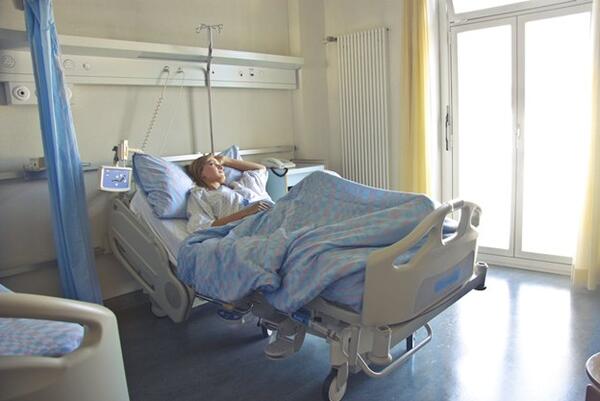
When you walk into a hospital room, one of the first things you notice is the bed. The sheets. The pillowcase. The overall feeling of cleanliness. Whether we realise it or not, we instantly connect fresh, crisp linen with safety and proper care. If the bedding looks clean and well-maintained, we feel reassured. If it does not, doubt creeps in.
Hospital linen is not just fabric. It is one of the most visible signs of hygiene in any healthcare setting. It matters more than people realise. Clean, high-quality hospital linen plays a vital role in patient comfort, infection control, and the overall standard of care.
The Critical Role of a Reliable Hospital Linen Supplier
Behind every clean hospital bed is a system most patients never see. Many hospitals rely on professional suppliers who understand the demands of healthcare environments. That is because hospital linen is not the same as hotel bedding. It must meet strict hygiene standards in line with healthcare infection control expectations.
Reliable hospital linen suppliers australia facilities trust often follow specialised washing and sterilisation processes designed to remove bacteria, viruses, and contaminants. They use high-temperature laundering, controlled handling procedures, and detailed quality checks before linen ever returns to a ward.
Consistency is just as important as cleanliness. Hospitals operate 24/7, and linen shortages simply are not an option. A dependable supplier ensures steady inventory, timely deliveries, and emergency support when demand spikes.
Both public and private hospitals rely on robust supply chains to ensure patient safety and comfort. When a supplier does their job well, patients may never notice, and that is exactly the point. Clean, fresh linen should feel effortless, even though a lot of work goes into making it that way.
Clean Linen and Infection Control
Clean linen is not just about appearance. It plays a real role in infection control. Contaminated sheets, gowns, and towels can carry bacteria and other pathogens if they are not handled properly. When linen is exposed to bodily fluids or used in high-risk areas, it must be treated carefully to prevent cross-contamination.
Healthcare infection prevention guidelines outline strict standards for managing laundry, including separating clean and soiled items and implementing safe transport procedures.
Proper handling matters at every stage, including collection, bagging, washing, drying, and storage. Clean linen must be stored in protected areas to prevent recontamination.
Medical-grade fabrics are also designed to withstand high-temperature washing and disinfection without degrading. Standards such as AS/NZS 4146:2000 guide laundry practice in healthcare facilities.
In short, infection control does not stop at hand hygiene. It includes every sheet and gown used in patient care.
Patient Comfort and Psychological Well-being
Patient comfort is not a small detail. It has a real impact on how someone feels during a hospital stay. Fresh sheets and clean bedding can instantly create a sense of calm and reassurance.
When a bed feels clean and well-made, patients are more likely to relax, which matters because stress can slow recovery. Studies suggest that comfort and a supportive care environment can positively influence patient experience and overall satisfaction.
Softness, temperature control, and breathability also matter. Hospital-grade fabrics are designed to be durable but still comfortable, helping regulate body temperature and reduce irritation during long stays.
Patient-centred care, including comfort and dignity, is widely recognised as a key part of quality healthcare delivery.
In simple terms, when patients feel physically comfortable, they rest better. Better rest supports healing, emotional well-being, and a more positive hospital experience overall.
The Operational Side: Efficiency Behind the Scenes
Behind every hospital ward is a fast-moving system most people never see. Linen turnover in busy hospitals is constant. Beds are changed daily, sometimes multiple times a day, especially in high-care areas. With thousands of items circulating at once, managing supply takes serious coordination.
Facilities must ensure clean linen is always available and safely stored to support patient care.
Peak periods, like flu season or emergency surges, increase demand quickly. Without strong inventory systems, shortages and delays can disrupt operations. Standards such as AS/NZS 4146:2000 outline recommended laundry practices to maintain a consistent supply and hygiene controls.
Good inventory management tracks usage, predicts demand, and keeps backup stock ready. When the system runs smoothly, patients never notice. That efficiency keeps hospitals functioning safely and without interruption.
Sustainability in Healthcare Linen
Sustainability is becoming a bigger focus in healthcare, and linen plays a part in that shift. Many hospitals choose reusable linen instead of disposable products because it reduces long-term waste and can be more environmentally responsible when managed properly.
Modern healthcare laundries are also adopting eco-friendly practices. This includes water-efficient washing systems, energy-saving equipment, and carefully measured detergents to reduce chemical impact.
By investing in smarter laundering systems and reusable materials, healthcare providers can support sustainability goals without compromising patient safety or comfort.
Water recycling systems and high-efficiency machines help reduce the environmental footprint while still meeting strict hygiene standards.
The Comfort You See, The Care You Don’t
Clean, high-quality hospital linen is not a small detail. It is a quiet promise of safety, comfort, and professionalism. From infection control to sustainability, it supports every part of patient care. When linen standards are high, trust follows. And in healthcare, trust matters just as much as treatment.