
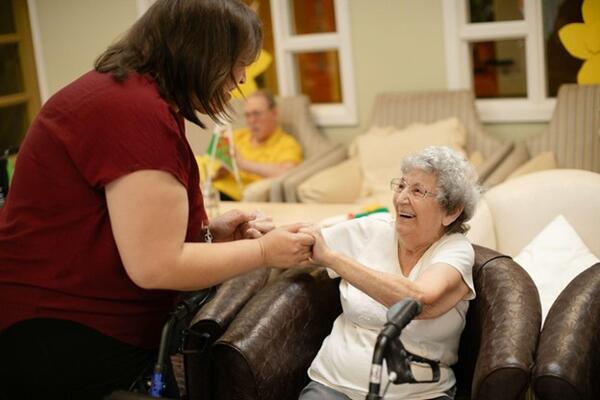
Why Familiar Surroundings Matter When Seniors Move Into Assisted Living
Moving into assisted living represents a significant life transition for older adults and their families. While the change can provide greater convenience, professional support, and opportunities for social interaction, leaving a longtime home often brings complicated emotions.
For many seniors, familiar surroundings hold memories of family celebrations, everyday routines, and important personal milestones. Furniture, photographs, decorative objects, and even familiar colors can create a sense of continuity that becomes especially valuable during periods of change.
Assisted living communities increasingly recognize that comfortable environments involve more than attractive interiors. Residents benefit from spaces that reflect their identities, personal preferences, and experiences.
Thoughtful decorating, meaningful belongings, and familiar routines can help transform an unfamiliar room into a welcoming personal retreat. Understanding these details allows families to approach the transition with greater sensitivity while helping older relatives maintain a sense of independence and belonging.
Familiar Interior Design Creates a Sense of Home
The appearance of a living space can influence how comfortable seniors feel after moving into assisted living. Although modern facilities often feature attractive furnishings and coordinated interiors, residents may appreciate decorative elements that remind them of their previous homes.
Wallpaper, familiar color combinations, and traditional furniture can create comforting visual connections with earlier stages of life. Families interested in introducing classic decorative elements may explore vintage wallpaper designs featuring patterns and styles that reflect familiar interiors. These decorative choices can bring warmth and individuality to a resident's personal space, particularly when paired with meaningful photographs, treasured accessories, and furniture that recalls a longtime family home.
Even when permanent changes are restricted, framed artwork, patterned cushions, and personal accessories can introduce similar visual references.
The objective is not to reproduce every detail of a former home. Instead, carefully selected elements can preserve its character while allowing residents to adjust to a different environment.
Families should also consider practical requirements, including accessible furniture arrangements, appropriate lighting, and clear walking spaces.
A comfortable room combines personal expression with the everyday functionality seniors need.
Holiday Traditions Help Maintain Emotional Connections
Seasonal celebrations often carry special significance for older adults. Familiar decorations, holiday meals, and family gatherings can bring back memories of important relationships and traditions maintained over many years.
Moving into assisted living does not mean these experiences need to disappear. Families can continue celebrating familiar occasions while adapting activities to the resident's new surroundings.
Gift wrapping can become an enjoyable part of maintaining familiar holiday traditions. Presents wrapped in north pole wrapping paper can introduce playful seasonal designs into Christmas celebrations, especially when grandchildren help prepare and exchange gifts. Combined with favorite decorations, family photographs, and familiar music, these thoughtful details help create a recognizable festive atmosphere while giving residents opportunities to share meaningful holiday experiences with loved ones.
Small decorations, favorite seasonal music, and cherished recipes can also help maintain a recognizable holiday atmosphere.
Assisted living communities frequently organize celebrations, but personal family traditions add another dimension to these events.
Keeping familiar customs alive provides opportunities for connection while helping residents recognize that important parts of family life can continue in their new environment.
Personal Belongings Preserve Memories and Identity
Everyday objects can carry emotional significance that extends far beyond their practical value. A favorite armchair, handmade blanket, family photograph, or treasured collection may represent decades of personal experiences.
When moving into assisted living, seniors may face difficult decisions about which belongings to keep. Limited space makes it impossible to bring everything from a previous home.
Families can make this process easier by involving older relatives in selecting meaningful possessions whenever possible.
Photographs and familiar decorative items are particularly useful because they occupy relatively little space while preserving connections with important people and memories.
However, belongings should be arranged thoughtfully to avoid clutter or obstacles that could interfere with mobility.
The most successful arrangements reflect the resident's preferences rather than simply creating an attractive room.
Personal possessions help communicate an individual's history and reinforce the feeling that the new space genuinely belongs to them.
Everyday Routines Provide Stability During Change
Moving into assisted living can introduce unfamiliar schedules, dining arrangements, and social expectations. Even when these changes are beneficial, adjusting to them may take time.
Maintaining familiar daily habits can provide reassuring continuity. Reading the newspaper with breakfast, enjoying a favorite television program, or arranging a regular afternoon conversation may help residents establish a comfortable rhythm.
Families can support this process by learning which activities matter most to their older relatives.
Care staff may also appreciate information about personal preferences, particularly when helping residents develop routines that fit the community's schedule.
Flexibility remains important because some previous habits may require adjustment.
The goal is to preserve meaningful choices while gradually introducing new opportunities.
Predictable routines can make assisted living feel less unfamiliar and help residents maintain a sense of control over their everyday experiences.
Family Visits Make New Environments Feel More Welcoming
Regular contact with loved ones can play an important role during the transition into assisted living. Visits provide opportunities to share familiar conversations, maintain relationships, and create positive memories within the new environment.
Families do not necessarily need to organize elaborate activities. Looking through photographs, sharing a favorite snack, or discussing ordinary family news can make time together meaningful.
Consistency may be particularly valuable during the first few months, when residents are still becoming familiar with their surroundings.
However, families should also respect opportunities for independent social interaction and participation in community activities.
Encouraging seniors to develop new friendships can complement existing family relationships.
A balanced approach allows residents to maintain important emotional connections while gradually building confidence in their new home.
Creating Comfort Without Preventing New Experiences
Familiar surroundings can provide reassurance, but adapting to assisted living also involves discovering opportunities for new experiences. Community activities, shared dining spaces, and organized events can introduce residents to interests and friendships they might otherwise overlook.
Families can encourage participation without placing unnecessary pressure on older relatives.
Small steps, such as attending a familiar type of activity or meeting neighbors with shared interests, may make social involvement feel more approachable.
At the same time, residents should have opportunities for privacy and personal choice.
Ultimately, successful transitions depend on balancing continuity with gradual adaptation. Familiar furniture, meaningful possessions, holiday traditions, and everyday routines can help preserve the emotional connections associated with home.
When these elements accompany supportive relationships and opportunities for independence, assisted living can become more than a practical change in accommodation. It can develop into a welcoming environment where seniors continue building meaningful experiences while remaining connected to the lives they have already lived.