
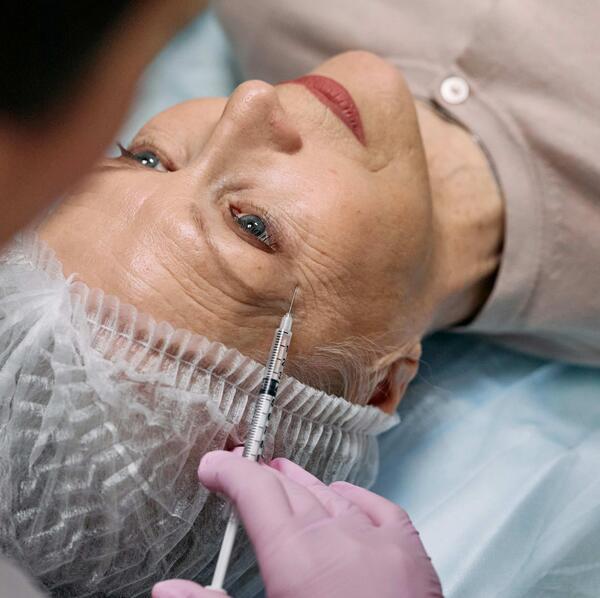
Why Foundational Education Matters in Modern Aesthetic Medicine
Aesthetic medicine has evolved from a niche service into a respected extension of modern healthcare. Patients today seek treatments that are not only effective but also safe, ethical, and delivered by well-trained professionals. As demand continues to grow, the industry faces an important reality: long-term success depends on education, not shortcuts.
Foundational education is no longer a “nice to have.” It is the backbone of patient safety, professional credibility, and sustainable practice in aesthetic medicine.
The Shift From Trend-Based Care to Medical Standards
In the early years of aesthetic medicine, many treatments were learned informally. Providers often relied on peer observation, short workshops, or product demonstrations. While this approach may have worked during the industry’s infancy, it does not meet today’s healthcare expectations.
Modern aesthetic medicine now requires:
- A strong understanding of anatomy and physiology
- Knowledge of contraindications and risk factors
- Ethical patient consultation skills
- Evidence-based treatment planning
Foundational education ensures that aesthetic services align with the same standards applied across other areas of healthcare.
Why the Basics Matter More Than Ever
Advanced techniques may attract attention, but outcomes are built on fundamentals. Providers who lack a strong educational base often struggle with consistency, safety, and decision-making.
Basic aesthetic training plays a critical role in preparing injectors to practice responsibly. It focuses on core competencies that support both clinical confidence and patient trust.
This level of training helps practitioners:
- Develop safe injection techniques.
- Understand facial balance and structure.
- Recognize early signs of complications.
- Communicate realistic outcomes to patients.
Without a solid foundation, even experienced providers can face preventable challenges.
Patient Safety Starts With Education
Aesthetic treatments are frequently described as minimally invasive, but they are still medical procedures. Improper technique or poor judgment can lead to adverse outcomes, some of which may be long-lasting.
Foundational education protects patients by teaching providers how to:
- Assess medical history accurately.
- Identify high-risk treatment areas.
- Use appropriate product selection.
- Respond calmly and effectively to complications.
When education is prioritized, patient care becomes proactive rather than reactive.
Building Professional Confidence and Credibility
Confidence in aesthetic medicine does not come from volume alone. It comes from understanding the “why” behind every technique. Foundational education allows injectors to make informed decisions instead of relying on repetition or habit.
This confidence translates into:
- Better patient consultations
- More consistent treatment outcomes
- Stronger professional reputation
- Increased career longevity
Healthcare professionals who invest in education are better positioned to grow responsibly within the field.
Aesthetic Medicine as a Healthcare Career Path
As aesthetics becomes more integrated into healthcare systems, expectations are rising. Clinics, patients, and regulators increasingly expect providers to demonstrate structured education rather than informal experience.
Foundational training helps legitimize aesthetic medicine by:
- Aligning it with medical education models
- Supporting ethical standards of care
- Reducing variability in treatment quality
- Reinforcing accountability
This shift benefits not only patients but also practitioners who want a sustainable, respected career path.
The Role of Continuing Education
Foundational education is the starting point, not the finish line. Aesthetic medicine continues to evolve, and providers must stay current with new techniques, products, and safety guidelines.
Ongoing education builds on foundational knowledge by:
- Refining clinical judgment
- Introducing updated protocols
- Supporting professional development
- Encouraging reflective practice
Healthcare organizations that promote continuous learning create environments where both patients and providers thrive.
Supporting Education Through Industry Collaboration
Educational advancement in aesthetic medicine does not happen in isolation. It requires collaboration between training institutions, healthcare leaders, and operational partners.
Med spas such as InjectCo contribute to this ecosystem by supporting education, compliance, and operational best practices. These resources help bridge the gap between learning environments and real-world clinical application.
When education is supported at multiple levels, the entire industry benefits.
Clinical Oversight and Leadership Matter
Even the best training programs require strong leadership to ensure consistent standards of care. As aesthetic services expand, many practices recognize the importance of clinical governance.
Choosing to hire a medical director provides oversight, mentorship, and accountability. Medical directors help establish protocols, guide clinical decision-making, and reinforce ethical practice.
This leadership structure mirrors other healthcare specialties and strengthens the credibility of aesthetic medicine as a whole.
Preparing the Next Generation of Injectors
The future of aesthetic medicine depends on how new providers are trained today. Foundational education sets expectations early, shaping how injectors approach patient care throughout their careers.
Well-trained practitioners are more likely to:
- Prioritize patient safety.
- Practice within the appropriate scope.
- Seek ongoing education.
- Contribute positively to the industry.
By investing in foundational education, the field ensures steady, responsible growth.
Final Thoughts
Foundational education is the cornerstone of modern aesthetic medicine. As the industry continues to mature, training standards must rise alongside patient expectations and regulatory oversight.
Providers who commit to strong educational foundations are not only improving individual outcomes but also shaping the future of aesthetic medicine as a respected healthcare discipline. In a field built on trust, education remains the most powerful investment of all.