
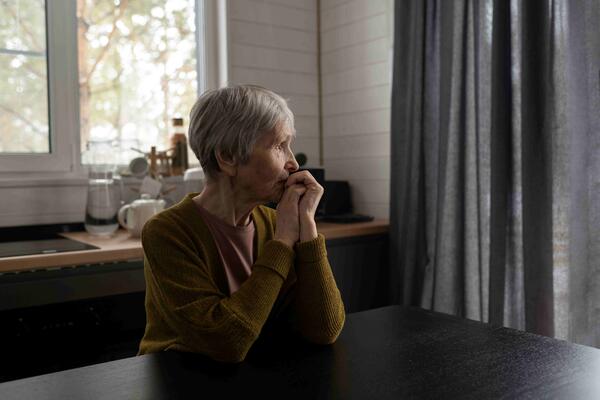
Why Mental Health Screening Matters After a Car Accident in Later Life
After a car accident, the first questions are practical. What hurts? What’s broken? How are you getting home?
For many older adults, the harder part shows up later. Sleep gets choppy. Patience wears thin. A person who used to run errands without thinking starts finding reasons to stay home. It’s easy to blame aging, pain meds, or stress and miss what’s really happening.
Recovery in later life takes longer, and losing mobility or confidence behind the wheel can shrink independence fast. That’s why mental health screening belongs in the recovery plan. Distress can look like irritability, withdrawal, constant worry, or mental fog. Some seniors develop trauma-related conditions such as depression, acute stress reactions, or PTSD after a car accident. Catching it early protects safety, healing, and quality of life.
Why Older Adults Face Unique Emotional Risks After a Collision
A crash rattles anyone. In later life, the aftereffects often linger longer.
Physical recovery can be slow, and slow recovery wears people down. Pain limits movement. Less movement means fewer outings, fewer conversations, fewer reasons to leave the house. Isolation can sneak in without anyone noticing.
There’s also the identity hit. Many older adults are used to being capable and self-directed. When a collision forces them to rely on others for rides, groceries, or basic tasks, it can feel humiliating. Some get quieter. Others get sharper.
Stress stacks, too. Seniors may already be managing chronic conditions, grief, or money pressure. Add an accident, and the load can tip from manageable to overwhelming. And the emotional strain doesn’t always look like sadness. It can look like fatigue, impatience, or a short fuse.
Trauma can also affect memory and focus, which can make families worry about dementia when the nervous system is simply stuck on high alert. That’s why emotional fallout in older adults gets missed so often.
Signs of Emotional Distress That Shouldn’t Be Overlooked
Emotional changes after an accident don’t always come with a neat label. They can show up in unexpected ways.
Sleep is a big one. Waking at 3 a.m. every night. Dreading bedtime. Falling asleep exhausted and still waking up tense. Nightmares can show up even in people who never had them before.
Mood can shift in ways that confuse families. A normally easygoing parent becomes irritable. A talkative grandparent goes quiet. Some people withdraw from friends. Others seem jumpy, especially around traffic noise or sudden sounds. You might see more pacing, more checking locks, more “What if…” thinking.
Bodies carry stress, too. Headaches, stomach issues, muscle tension, and persistent fatigue can flare up after trauma. These symptoms are often treated as separate medical problems, which makes sense, but it can also mean the emotional trigger never gets addressed.
Trauma-related conditions can include depression, anxiety, and post-traumatic stress. The National Institute of Mental Health lays out how PTSD can follow serious accidents and may involve flashbacks, avoidance, sleep disruption, and strong reactions to reminders of the event, as described in its overview on post-traumatic stress disorder. If any of that sounds familiar, it deserves attention, not a shrug.
Fear of driving again is common, even for people who used to love being behind the wheel. Sometimes the fear spills into daily life: avoiding appointments, skipping social plans, staying home because the outside world feels risky.
If you notice these patterns, trust your instincts. They’re often early warning signs.
The Value of Early Mental Health Screening
Mental health screening doesn’t have to be a big production. Often it’s a plain conversation in a primary care office. How are you sleeping? Feeling on edge? Avoiding driving or certain places? Still enjoying your usual routines?
Those questions matter because many older adults downplay distress. Some don’t want to worry anyone. Some feel embarrassed. Others were taught to power through.
Screening helps a clinician separate normal post-accident stress from symptoms that need treatment, and it can open the door to the right support, whether that’s therapy, medication, or a concrete plan to rebuild confidence. It can also bring clarity when stress is affecting focus and memory, and starts to look like cognitive decline.
Families can help by sharing specific changes they’ve noticed. Concrete examples beat “They seem off” every time.
How Structured Senior Living Can Support Emotional Recovery
Sometimes, the missing ingredient is consistency. After a crash, life can feel chaotic. Rides, appointments, pain, paperwork, disrupted routines. That instability can keep the nervous system on edge.
A structured senior living environment can bring steadiness back. Regular meals. Familiar faces. Predictable routines. Staff who notice when someone stops joining activities or seems unusually withdrawn. That kind of everyday observation can catch problems early, before they harden into a new normal.
Support is often easier to access. Many communities can coordinate with counselors, social workers, or behavioral health providers. Residents aren’t forced to manage logistics alone, especially if driving is off the table.
Social connection helps in a quiet way. Sitting with others at lunch. A short walk with a neighbor. A conversation that isn’t about medical bills or symptoms. Those small moments rebuild confidence and reduce the likelihood of isolation.
For families weighing options, learning about assisted living communities can clarify the day-to-day support available during recovery. Some seniors benefit from temporary help while they regain stability. Others prefer ongoing support that respects their independence.
Emotional recovery doesn’t require perfection. It requires attention, a stable routine, and people who notice when something changes. That combination gives older adults a real chance to feel like themselves again.