
Using a Reverse Mortgage to Stay at Home or Pay for Care
The idea of spending most of your life in one house is really romantic. No money can buy those kinds of memories, and it’s something not everyone gets to have. So, it makes sense that someone who’s getting up there in age doesn’t necessarily want to move out to another property or a care facility.
But what if the home you love so much becomes more expensive than you expected?
Even if the mortgage is paid off, there’s a chance you’ll need someone to help you with… Life. Everyday tasks become harder when you get older, and if you insist on staying in your house, you’ll probably need a few things to make it safer to move around. And, sure, your property is worth a good deal of money, but that doesn’t necessarily mean that you have enough money to cover all this.
A reverse mortgage could be a good option in this case, and if you don’t know anything about it, you’ll want to read on.
How Does a Reverse Mortgage Work?
A reverse mortgage is a special type of loan that lets older people who own their homes borrow money against the equity they’ve built up in them.
You probably know how a regular mortgage works – you make payments every month until you pay off the entire thing. But a reverse mortgage works the other way around. The bank gives you money, and you don’t have to make monthly payments towards that loan as long as you make sure you meet its requirements.
This isn’t free money, though.
It’s not like the bank decided to be nice because you’re a cute old lady and gave you some money. There are still interestand fees that accumulate over time, which means the amount you owe grows instead of shrinking. That loan has to be paid off, but usually not before you move out (permanently, which also includes passing away) or sell the property.
If you’re 62 years old or older, you’d probably go for the HECM (Home Equity Conversion Mortgage), which is the most common type. Aside from being of a certain age, you’ll also need to have enough equity in your home to use it as your main residence.
If you’re wondering how much money you can get, you should know that this depends on a few things, like your age, the value of your home, current interest rates, and the balance on your mortgage if it hasn’t been paid off yet. You can get the money as a lump sum or in monthly payments. It could also come as a line of credit, but this depends on the terms of the loan.
You might be thinking about the amount of money you’d need to set aside, but this is also something only you can answer.
Where you live is a big factor here because if it’s a place like, say, Florida, you have to think of expenses that come from hurricane damage. Plus, insurance is more expensive in Florida than the average in the U.S., mostly because of how severe the weather can get. All this could make a Florida reverse mortgage an excellent option, but remember that the property is still yours.
You’re still the one covering all its expenses.
What Can You Pay for With a Reverse Mortgage?
Basically, you can use it for whatever you want, but here are some smart ways to spend your money.
In-Home Care and Help With Daily Tasks
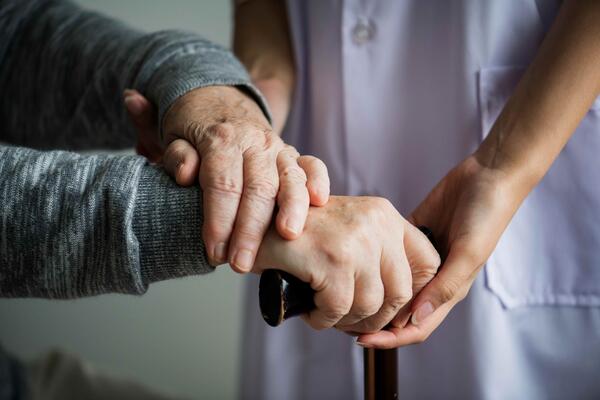
Cooking, cleaning, getting dressed, and even taking a shower can be A LOT when you’re older. The money from the mortgage can be used to pay for someone who’d help you with all of that. Or you could even invest in some accessibility features that would help you in everyday life.
This way, you wouldn’t have to (over)burden your family.
Home Renovations That Make Your Home Safer
Your home could be very comfortable, but how safe is it? If you’re 75, the bathtub can be your enemy, and so can the stairs.
Those two alone are enough to make every day way too hard.
The money from the reverse mortgage could pay for a walk-in shower or a stairlift. Or you could turn a room downstairs into a bedroom.
Medical Bills and Everything Else the Insurance Doesn’t Cover
Did you know that the U.S. has the most expensive healthcare in the world? And having Medicare is far from meaning you never have to pay another medical bill. And as you probably know already, medical bills can really mess up your budget.
Your reverse mortgage could go toward that because insurance will still leave you having to pay for things like hearing aids and dental work.
Conclusion
Being older doesn’t mean you have to live in a nursing home if you don’t want to. But, more often than not, it does mean that you’ll need help with some everyday things, and you’ll probably visit your doctor more than you did when you were younger.
None of this is cheap, let alone free.
So, unless you have some pretty impressive savings, a reverse mortgage can make all this easier on you (and the rest of your family).