
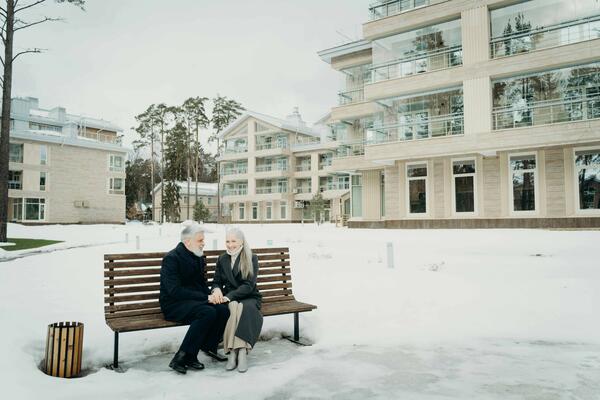
Who Is Responsible for Snow and Ice Removal at Senior Housing Facilities?
Winter gets us to slow down and cozy up, but it also brings snow and ice hazards. When walkways in housing communities aren’t cleared, residents risk falls, broken bones, and extended hospital stays.
We’ll explain whose responsibility it is to clear the paths and keep everyone in the community safe.
Property Owners, Managers, Public Services
According to the Centers for Disease Control and Prevention, slips or trips on ice or snow account for 97% of all weather-related injuries, so clearing snow and ice should be a top priority in every community. In most senior communities (assisted living, independent living, or rental apartment buildings), winter safety is the duty of the property owner or the management company.
This includes not only shoveling, but also applying salt, sand, or other materials that prevent ice foramtion. It’s their duty to keep the walkways, entrances, and parking areas safe throughout the winter months, and not only after a snowstorm.
There’s also a legal obligation to do so, based on the premise liability principle. Owners and managers have a duty of care in this situation, and they’re expected to act reasonably to prevent injuries. If they break this duty and it causes someone to get injured on the premises, they may face legal consequences.
But although snow removal is usually the management's responsibility, it’s not always the case. Some lease agreements and homeowners' associations expect residents to clear certain parts themselves. This typically applies to the walkway leading up to your unit’s front door, but things may differ based on location and agreement.
Just to be sure, read your lease agreement and community rules if you live in an HOA-run community,
There are other differences based on location, including your state, county, and town. Some states do not have any rules at all and leave everything to local governments, while most demand that the property owners clear snow within a certain period, usually 24 hours after a storm.
Some states do it differently. Mississippi offers a removal reimbursement program for residents to get reimbursed for hiring snow removal contractors. Minnesota cities are responsible for public spaces, while Delaware also assumes responsibility for clearing sidewalks along public roadways.
So what’s expected of you in one community may not be necessary at all in another.
Professional Winter Safety Services
Due to their effectiveness and speed, professional snow and ice removal contractors are a popular choice in senior housing facilities. They reduce the risk of slips and falls as they’re much more effective, have better equipment, and more staff. However, this is not the oly reason facilities hire professionals.
Professionals, especially those that are licensed and insured, have the obligation to document their efforts, which serves as proof to property owners dd their best to maintain safety.
However, this doesn’t usually get them off the hook if someone falls, as it’s their job to monitor the situation and react if some places are still slippery and dangerous.
Okay, so if you fall, who is to blame? The situation can get a bit complex legally. The starting point for accountability is the property owner or manager. It’s important to investigate if they knew about the dangerous conditions, or if they should have known but didn't. And if that’s the case, if they failed to address the issue.
In this case, it’s important to have evidence, including videos, photographs, incident reports, snow removal records, and witness statements.
So if you or a loved one is injured by ice and snow at a senior housing facility, it’s best to consult a professional who understands the local nuances. Many people get help from a snow and ice slip-and-fall lawyer who can evaluate their situation and help them pursue compensation.
A professional will understand whose responsibility it is to ensure safety. However, understanding these responsibilities in general helps everyone know their share of work, whether they’re a resident, a family member, or a property manager.
Luckily, most assisted living facilities are aware of their obligations, and they keep seniors safe from ever having to shovel snow on their own.